R&D, in development. This is research from the Therness WAAM lab cell, not a HeatCore product feature. Whether and how it becomes part of the product is still being evaluated.
In wire-arc additive manufacturing (WAAM), a metal part is built one bead on top of another. HeatCore R&D is testing layer-aware golden curves: one thermal reference for each layer, instead of one reference for the whole build.

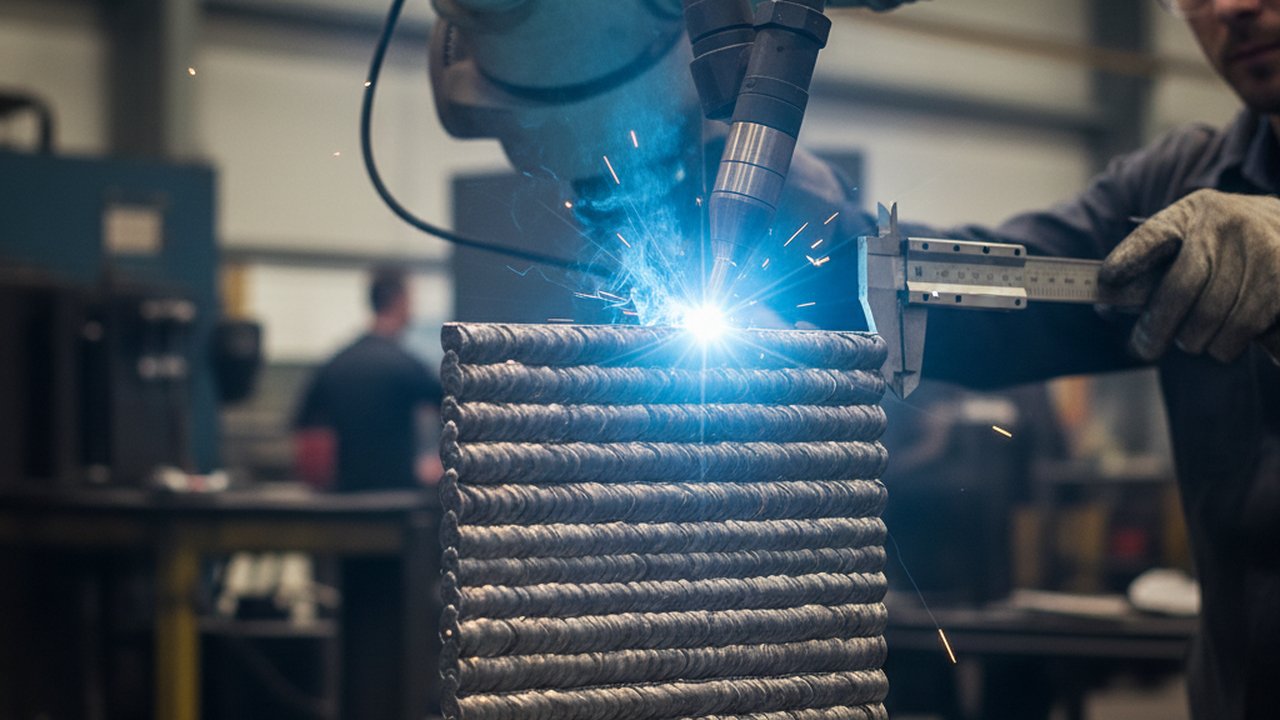
Real footage from our WAAM lab cell: the thermal camera on the torch sees each bead as it goes down, on top of the heat left by the layers below.
What a golden curve is
A golden curve is the reference HeatCore learns from good welds: how a weld normally looks to the thermal camera along the path. Each new weld is compared with it, and a weld that leaves the reference is flagged as an anomaly. The flag says that something changed, not which defect it is.
Why WAAM needs one per layer
On a WAAM part each layer is laid on the previous one, and heat builds up as the part grows. What is normal for the first layers is not normal for the last ones. A single golden curve for the whole build mixes layers that behave differently, so the normal build-up and a real change in one layer can look alike.

Time-lapse of the whole build plate under a thermal camera: heat moves from part to part as the layers go down, and every layer starts on metal that is already warm.
What we have seen so far
A first test in our lab cell looked promising. A first check on newer builds has not confirmed it yet; the work continues.

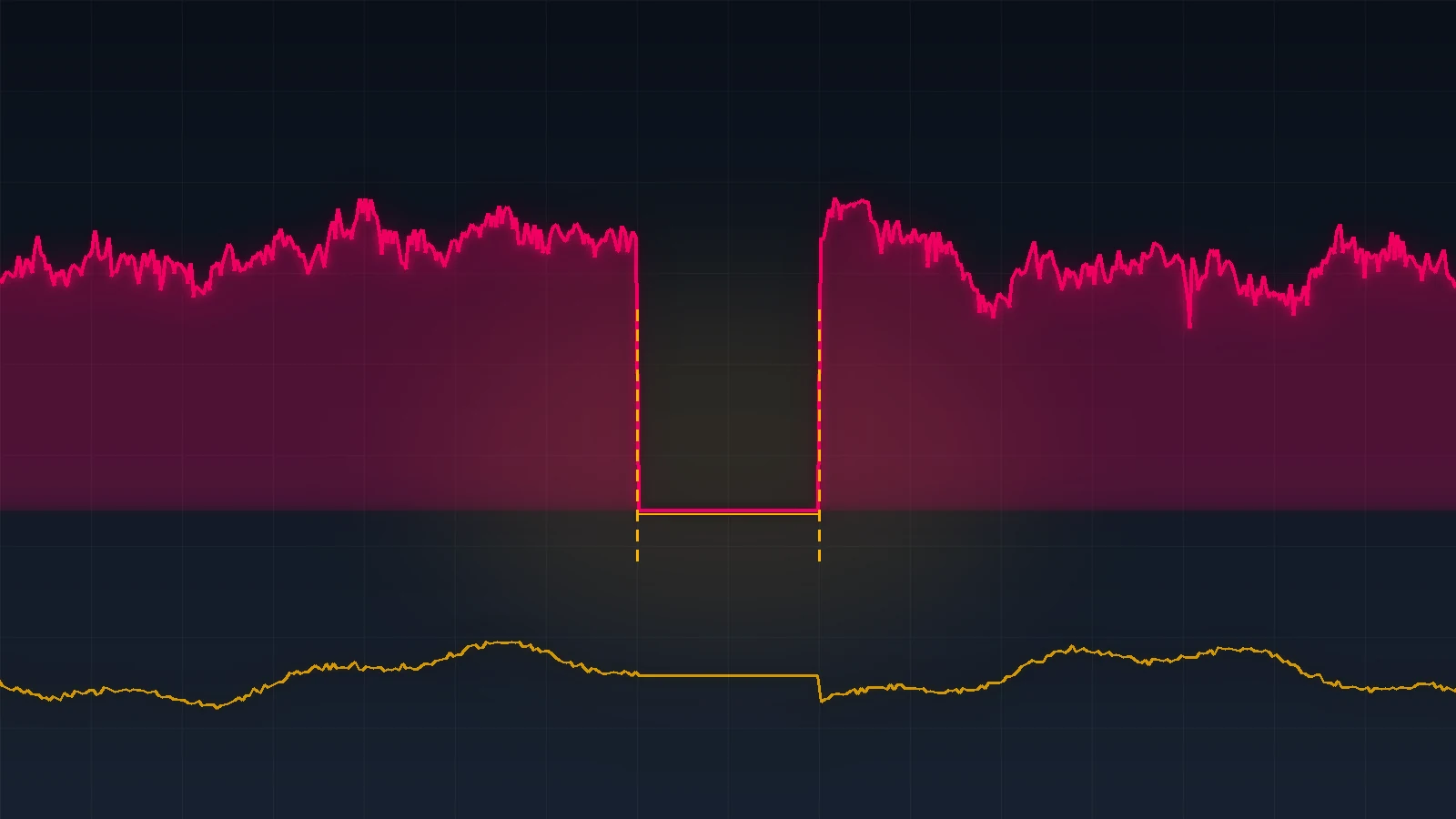
One wall from our lab cell. Left: the heat measured on each layer along the path. Right: how far each part of each layer is from that layer’s own reference; darker is further. Scales are left out on purpose. This is not a defect classification. R&D, in development.
What it could mean for the parts you build
- A thermal record for every layer of every part. HeatCore records the heat of each layer as it is built, and the record stays with the part.
- The goal: know where to look. A layer-level flag that gives the engineering team a reason to investigate a process change, before machining or shipping.
- Evidence for your customer. You can show how each part was built, layer by layer, not only that it was built.
What it does not do
- Short, local defects. We do not claim local defect detection.
- Defect type. Even a layer-level flag would say that something changed, not which defect it is. See how we validate HeatCore for what is measured today and what is not.
- A detection rate. This is lab research. It is not a detection or false alarm rate on production parts.
More on monitoring metal 3D printing from wire is on the WAAM monitoring page.
If you need parts built in our WAAM cell, each delivered with its layer-by-layer thermal record, see WAAM contract manufacturing: it starts with a feasibility review of your drawing and material.
Building parts with WAAM?
Bring us your part or your process. We run a feasibility study or a trial in our WAAM cell and deliver every part with its thermal record, layer by layer.
See WAAM contract manufacturing