Why we automated NDT procedure drafting
Drafting Non-Destructive Testing (NDT) procedures is often a repetitive, time-consuming task. Whether it’s for Ultrasonic Testing (UT), Radiography (RT), or Magnetic Particle (MT), the structure is rigid, but the specifics vary by component and standard (ASME V, ISO 17635, AWS D1.1).
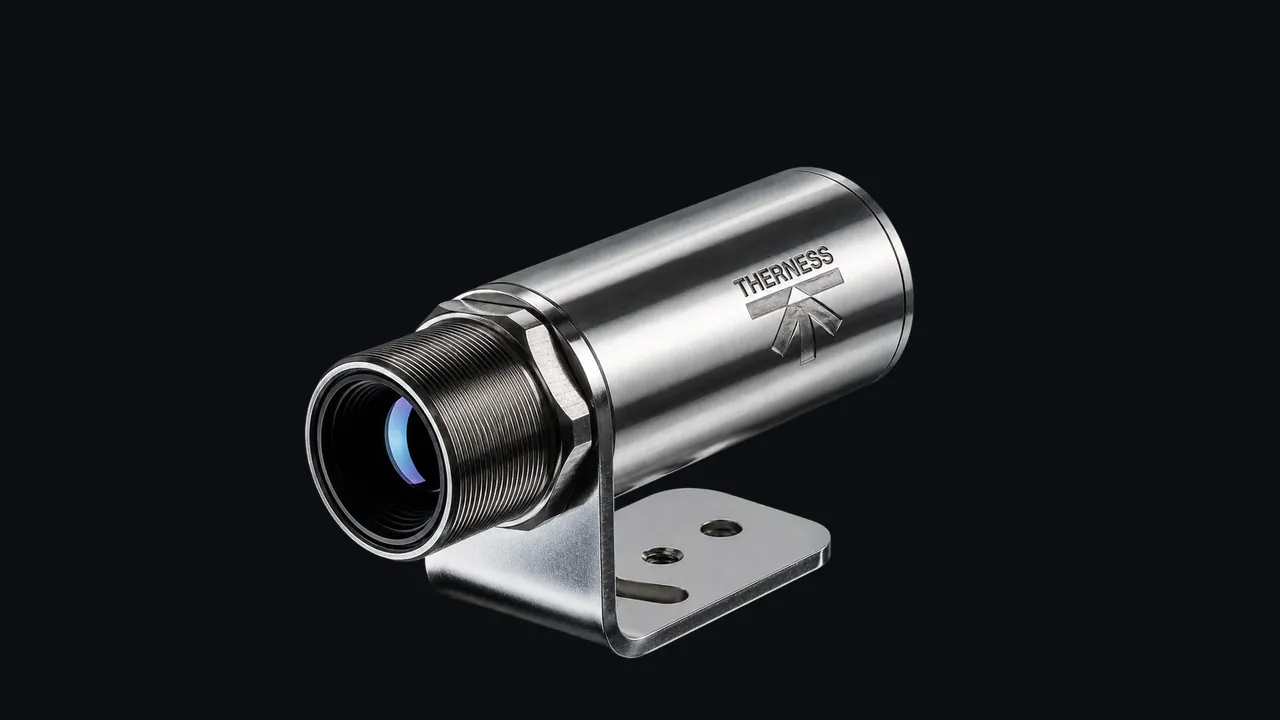
At Therness, we believe Level 3 engineers should focus on complex inspections and approval, not boilerplate text generation. That is why we invested in AI-assisted NDT procedure drafting to automate the heavy lifting of procedure writing. The same team that builds Therness inspection hardware for real-time weld and NDT monitoring stands behind that work.
What a compliant NDT procedure covers
Whatever the method, a compliant procedure follows the same backbone. A well-structured document covers:
- Scope & standard: e.g. a UT procedure for butt welds in 20 mm carbon steel plate to ISO 17640.
- Equipment & calibration: probes, couplant, reference blocks and the calibration steps that make results traceable.
- Scanning technique: access, coverage, scan patterns and sensitivity settings.
- Acceptance criteria: the recording and evaluation thresholds tied to your governing code.

Key benefits for Level 3s
- Speed: generate a first draft in seconds, not hours.
- Standardization: ensures consistent structure across all your procedures.
- Coverage: supports major methods (VT, PT, MT, UT, RT) and standards (ISO, ASME, ASTM, EN).
- Free access: we are providing this as a free resource to the NDT community.
Ready to streamline your inspection documentation?
See how Therness applies thermography NDT and real-time monitoring to weld and component inspection — from procedure to traceable evidence.
Explore thermography NDT testing
Need more than a procedure draft?
Talk to a Therness inspection engineer about applying thermography NDT and real-time monitoring to your welds and components.
Talk to an engineer See thermography NDT testingTherness solution: Welding monitoring system — Every weld inspected in the cycle, with defect flags and the ISO 3834 / ISO 17635 evidence kept per weld.