
WAAM Monitoring Camera for Additive Manufacturing Quality
Wire Arc Additive Manufacturing (WAAM) is a Direct Energy Deposition (DED) process—so quality depends on stable thermal history, melt pool behavior, and interpass temperature. Therness helps teams run in‑situ monitoring and build layer‑by‑layer evidence for qualification.

WAAM thermal monitoring
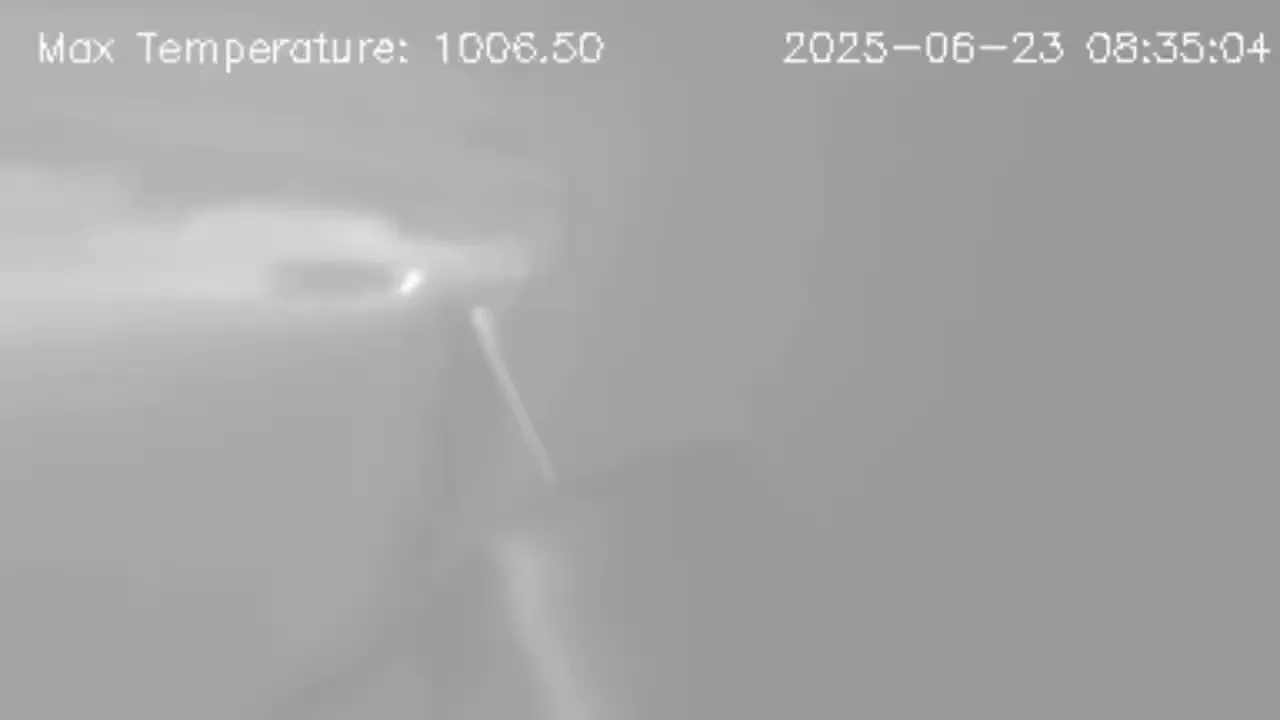
- Track bead consistency and heat input uniformity across layers
- Spot hotspots and cooling delays that correlate with defects
- Document runs for QA, traceability, and qualification workflows
What to monitor in WAAM / DED builds
Thermal history
Heat distribution and cooling profiles (layer-to-layer) influence microstructure evolution and distortion risk.
Melt pool behavior
Abnormal melt pool size/shape and unstable behavior can indicate parameter drift and fusion issues. An embedded WAAM monitoring camera such as the HeatCam IR-S captures this layer by layer for repeatable qualification.
Interpass temperature
Interpass control supports repeatable deposition and helps prevent overheating and geometry drift on tall builds.
Thermal history is not the whole traceability picture. WAAM traceability is a documented use case for capturing the electrical and feed parameters — voltage, current, and wire feed speed — that drove each pass, alongside the thermal record: see welding parameter monitoring.
Related: welding monitoring system · weld camera hub · thermography & NDT testing · HeatCore AI software · all monitoring products
Short clips: WAAM monitoring with AI


More videos
Browse short clips for thermography, AI welding demos, and application examples.
From monitoring to qualification evidence
Early drift detection
Catch instability and thermal drift before defects propagate across layers.
Layer-by-layer scoring
Build a quality trail (images, metrics, anomalies) for each layer and each run.
Engineering + QA alignment
Shared dashboards and reports reduce ambiguity between R&D, production, and quality teams.
Which camera for WAAM
Imaging & calibration
An LWIR thermal camera (longwave infrared, not SWIR), calibrated for weld temperatures up to 1500 °C, with manual focus for fixed-standoff installations.
Mechanical & mounting
A compact square housing for tight, permanent integration, with brackets and enclosures for robotic heads and cells plus cable routing and strain relief for moving axes.
Interfaces & integration
Network and protocol options for logging and automation, data export for QMS/MES pipelines, and synchronization with robots and multi-sensor stacks.
See the IR-S technical specifications, compare the full welding-camera lineup, or plan camera setup, field of view, and data integration.
WAAM builds, layer by layer
Metal 3D printing, layer by layer
WAAM building solid metal straight from a spool, one weld bead at a time.
Watch the build →Carbon-steel WAAM thermal imaging
Heat distribution across a carbon-steel deposition, resolved frame by frame.
See the thermal view →Gear tooth by wire arc additive
A near-net gear form grown directly with wire arc additive manufacturing.
Watch the deposition →Layer upon layer
The steady rhythm of a WAAM build stacking bead on bead into a wall.
Watch it grow →Prefer a narrated walkthrough? Read the carbon-steel WAAM thermal monitoring video breakdown.
Discuss WAAM monitoring for your additive cell
Tell us your material (e.g., titanium), part size, target standards, and current challenges. We’ll respond within 24 hours.
See WAAM monitoring on your material
WAAM monitoring FAQs
What is WAAM (Wire Arc Additive Manufacturing)?
WAAM is a Direct Energy Deposition (DED) process that uses an electric arc and wire feed to build metal parts layer by layer. Quality depends on stable heat input, melt pool behavior, shielding, and interpass control.
What should you monitor during a WAAM build?
Key signals include thermal history (heat distribution and cooling profiles), melt pool behavior, and interpass temperature. These factors influence bead geometry, microstructure evolution, distortion risk, and defect likelihood.
How can thermal monitoring improve WAAM quality assurance?
Thermal monitoring can detect drift early, highlight hotspots/cooling delays correlated with defects, and create traceable layer-by-layer records (images and metrics) to support QA and qualification review.
