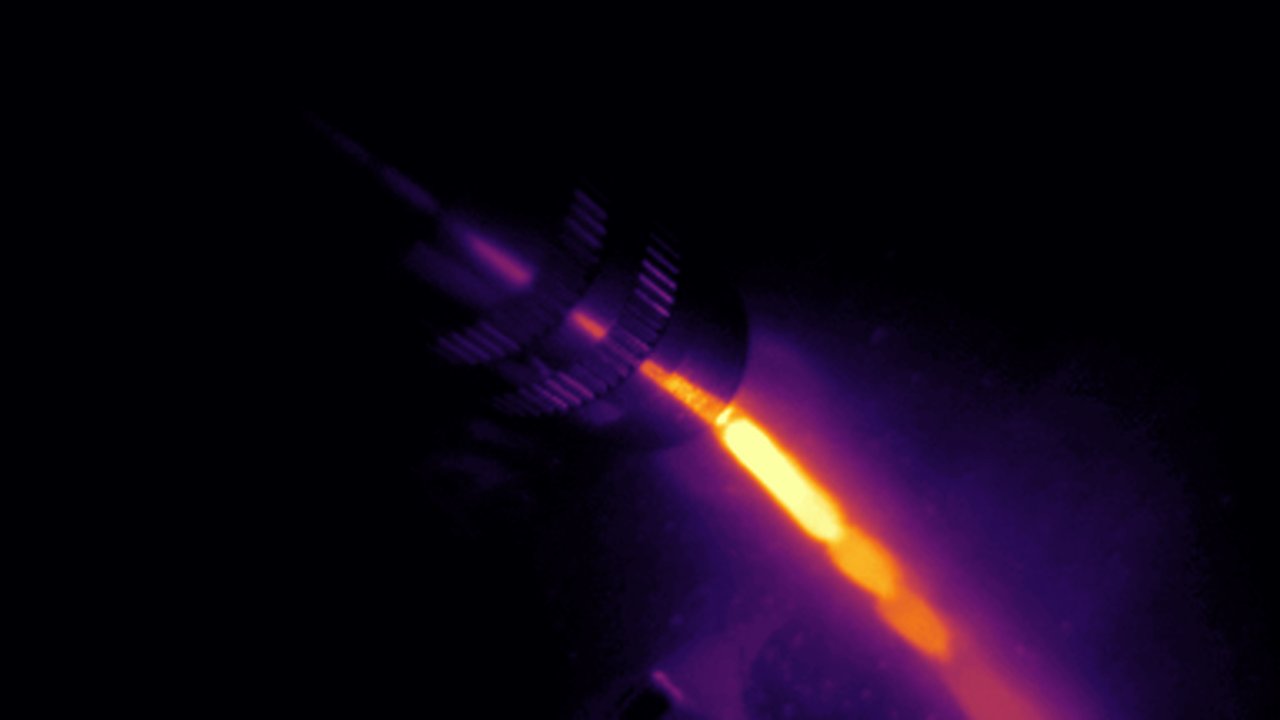
Process FMEA for Welding Operations: RPN Scoring and Control Plan
Build a welding-specific PFMEA: severity, occurrence, and detection scoring, RPN prioritization, and control-plan links for IATF 16949 and ISO 3834 audits.
Research‑grade articles on infrared thermography in welding, AI defect detection, cooling rates (T8/5), compliance, and ROI.
Prefer feeds? Subscribe via RSS.
Build a welding-specific PFMEA: severity, occurrence, and detection scoring, RPN prioritization, and control-plan links for IATF 16949 and ISO 3834 audits.
Weld pool visualization compared: what camera-based and software-based approaches each show, common failure modes, and a decision framework for choosing.
Interlayer temperature control in WAAM: alloy-specific limits, contact vs thermal-imaging measurement, closed-loop dwell strategies, and defect fixes.
Acoustic emission testing for welds: how AE detects active flaws in real time, ASTM E749 and ASME Section V procedures, sensor setup, and its limits.
Eddy current testing (ECT) for welds: how it finds surface and near-surface defects, ISO 17643 and ASME Section V procedure steps, probe selection, and acceptance criteria.
Positive material identification (PMI) in welding: what it verifies, which codes require it (ASME B31.3, API 570), methods, and how to build a program.
Radiographic testing weld acceptance criteria compared across ISO 10675-1, ASME Section VIII, ASME B31.3, API 1104, and AWS D1.1. Reference tables, failure modes, and ISO 3834 documentation requirements.
Compare inline weld inspection against manual visual inspection: cost per weld, detection capability, throughput impact, and a decision framework for production welding environments.
How to evaluate weld defect detection software: core features, integration requirements, AI detection capabilities, and a step-by-step buyer checklist for quality managers.