If your customers require automotive special-process evidence, pair SPC controls with this CQI-15 Welding System Assessment digital playbook.
Choosing characteristics that matter
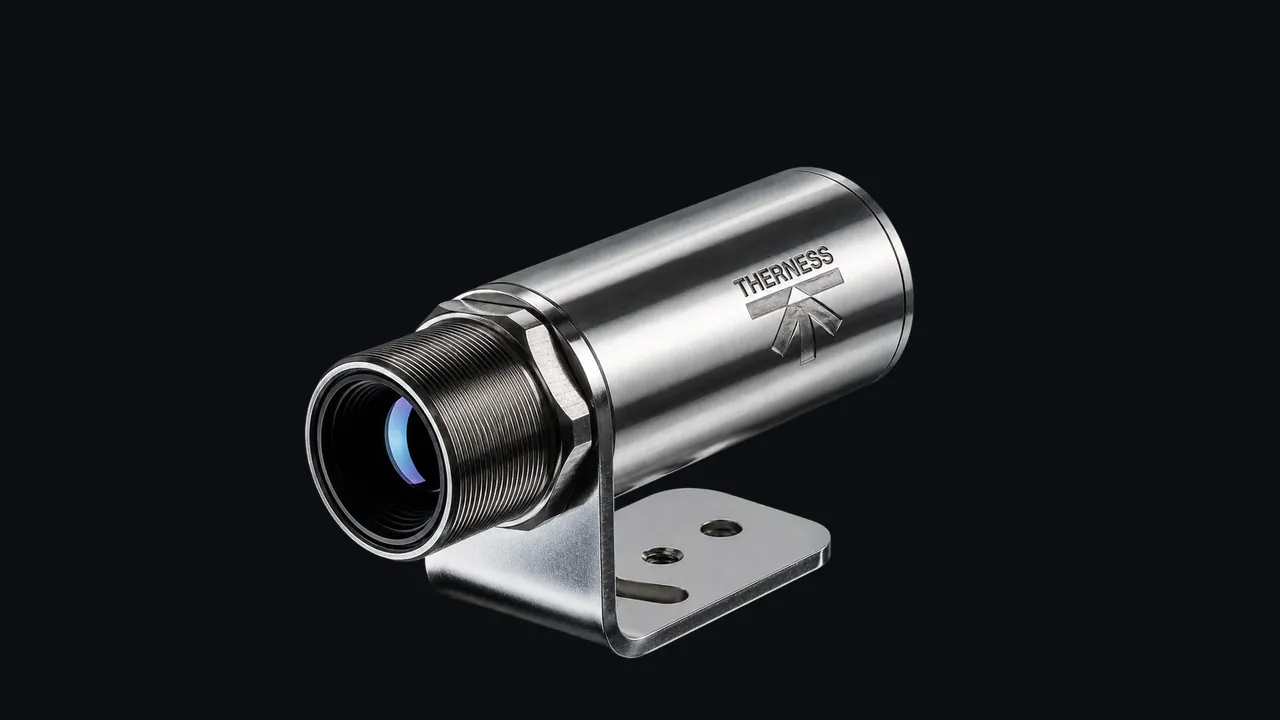
Focus on features that move rejects and rework: bead width, penetration proxies, toe cooldown slope (t8/5), and travel speed. the HeatCore QMS workflow reads these from inline sensors and updates charts automatically. The monitoring product range supplies the inline thermal and arc sensors that feed each characteristic.
Reading X‑bar/R for weld stability
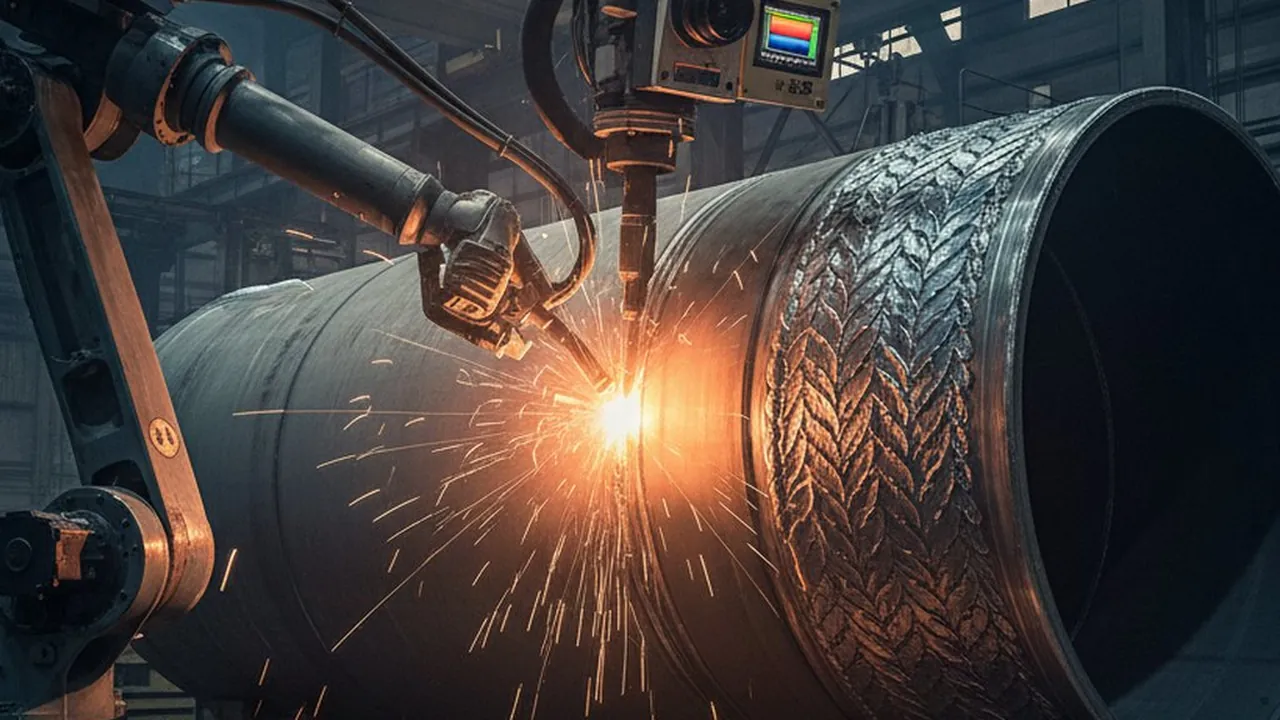
Operators need fast signals — you can see an AI monitoring system streaming live weld data of the kind that feeds these charts. The chart below shows subgroup means and ranges across time with centerlines and control limits.
Capability made simple
Compute Cp/Cpk on the same stream. Use rolling windows so the values reflect current reality, not last quarter’s data.
Alerts and actions
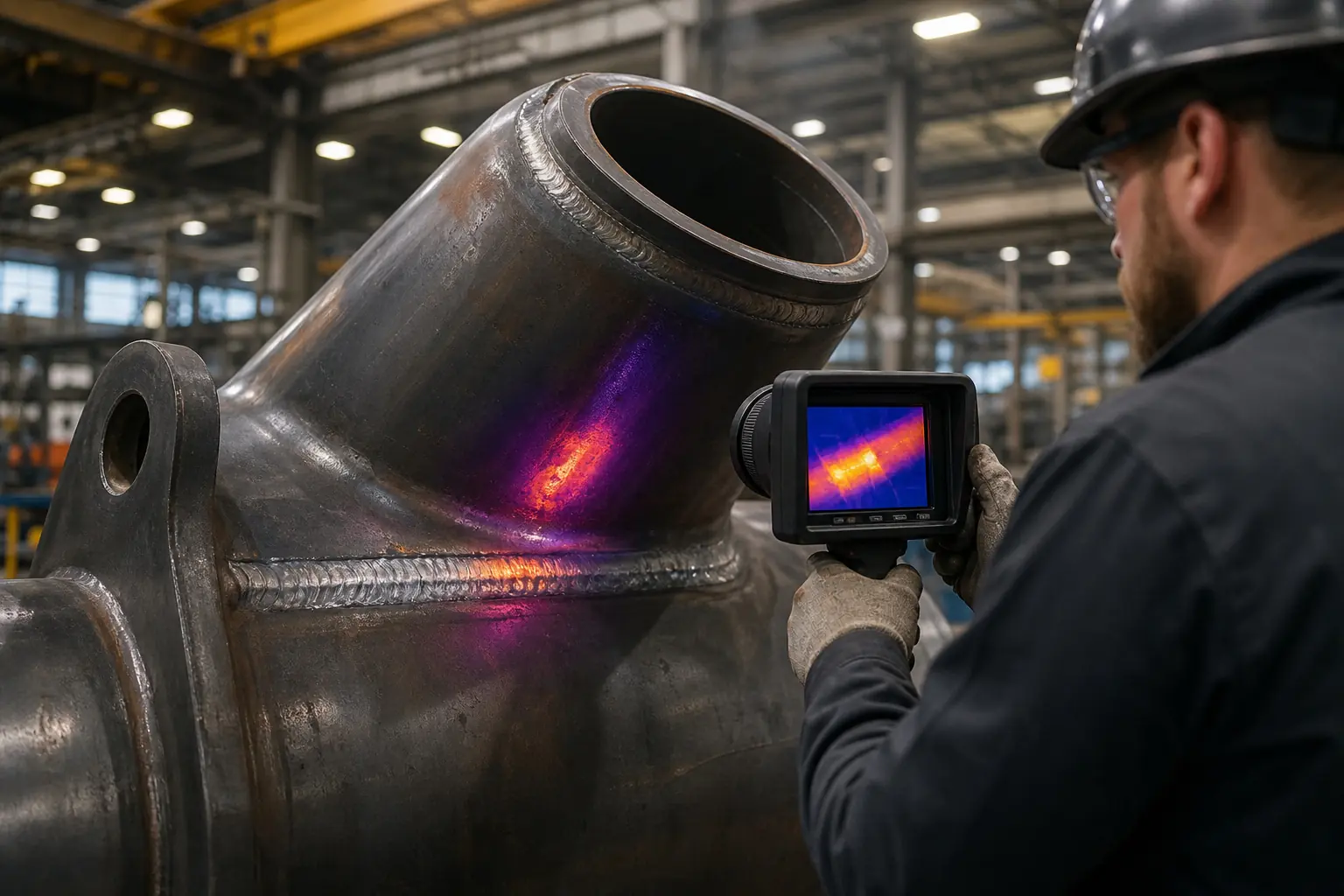
When limits break, the inline weld monitoring system alerts operators and opens a nonconformity. With the HeatCore QMS workflow, CAPA is ready with evidence attached.
For BIW teams running resistance spot welding, pair these SPC limits with a station-level framework for resistance spot welding monitoring in automotive BIW.
Last updated: 2025-11-12
Related reading: Pair SPC signals with structured corrective action in Welding NCR Management Software: ISO 3834 Workflow for Faster Root Cause and CAPA.
Automate weld SPC from live thermal data
Feed X-bar/R and Cpk charts straight from inline thermal and process sensors, with CAPA evidence attached the moment a limit breaks. Book a demo.
Book a demo See live weld monitoring for SPCTherness solution: Welding monitoring system — Every weld inspected in the cycle, with defect flags and the ISO 3834 / ISO 17635 evidence kept per weld.