What Is a Welding QMS?
A welding QMS governs procedures, people, materials, and evidence across fabrication. In practice, you need traceable travelers, standardized WPS/PQR, qualified personnel, calibrated tools, and objective evidence that acceptance criteria were met. Software accelerates this by linking every weld to its data, preventing gaps that cause audit findings.
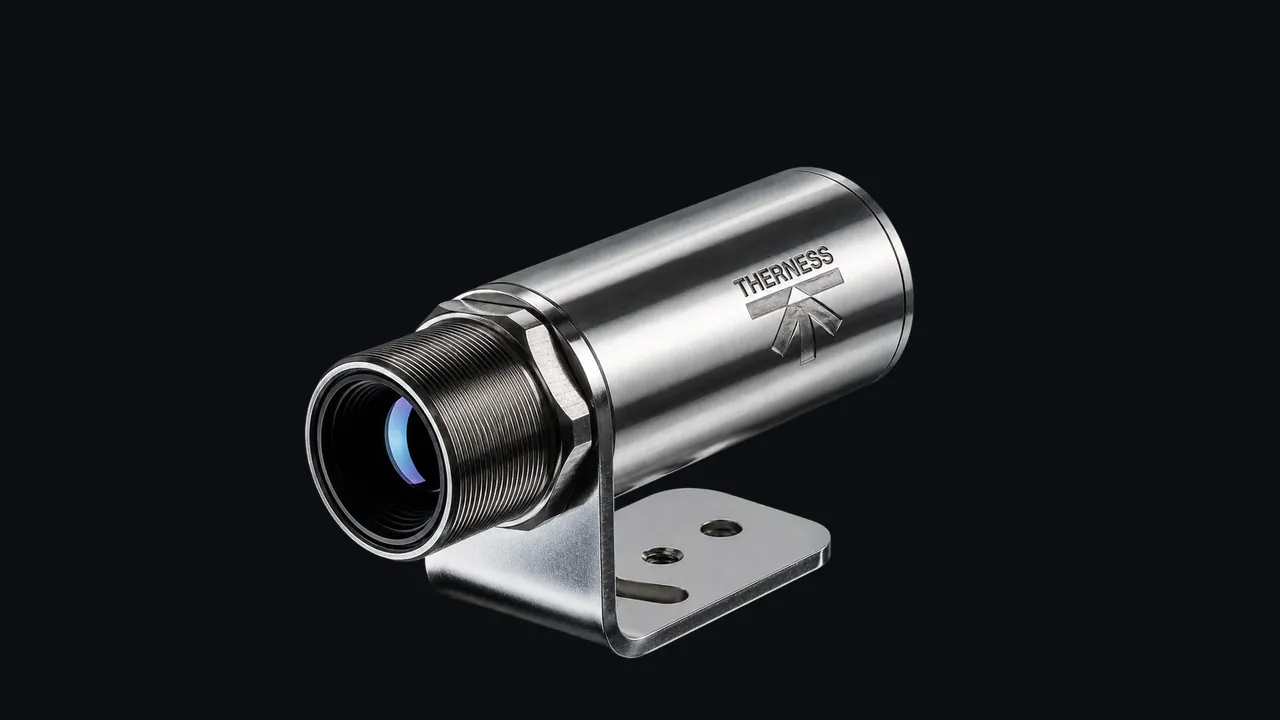
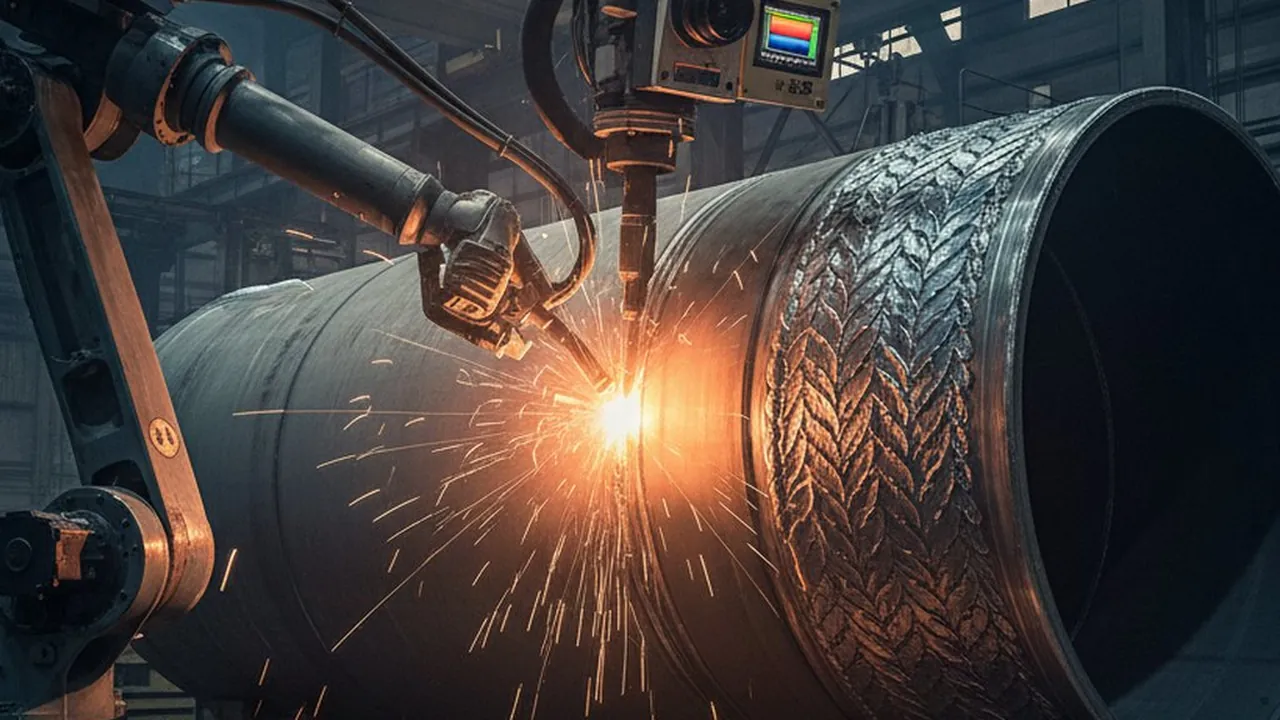
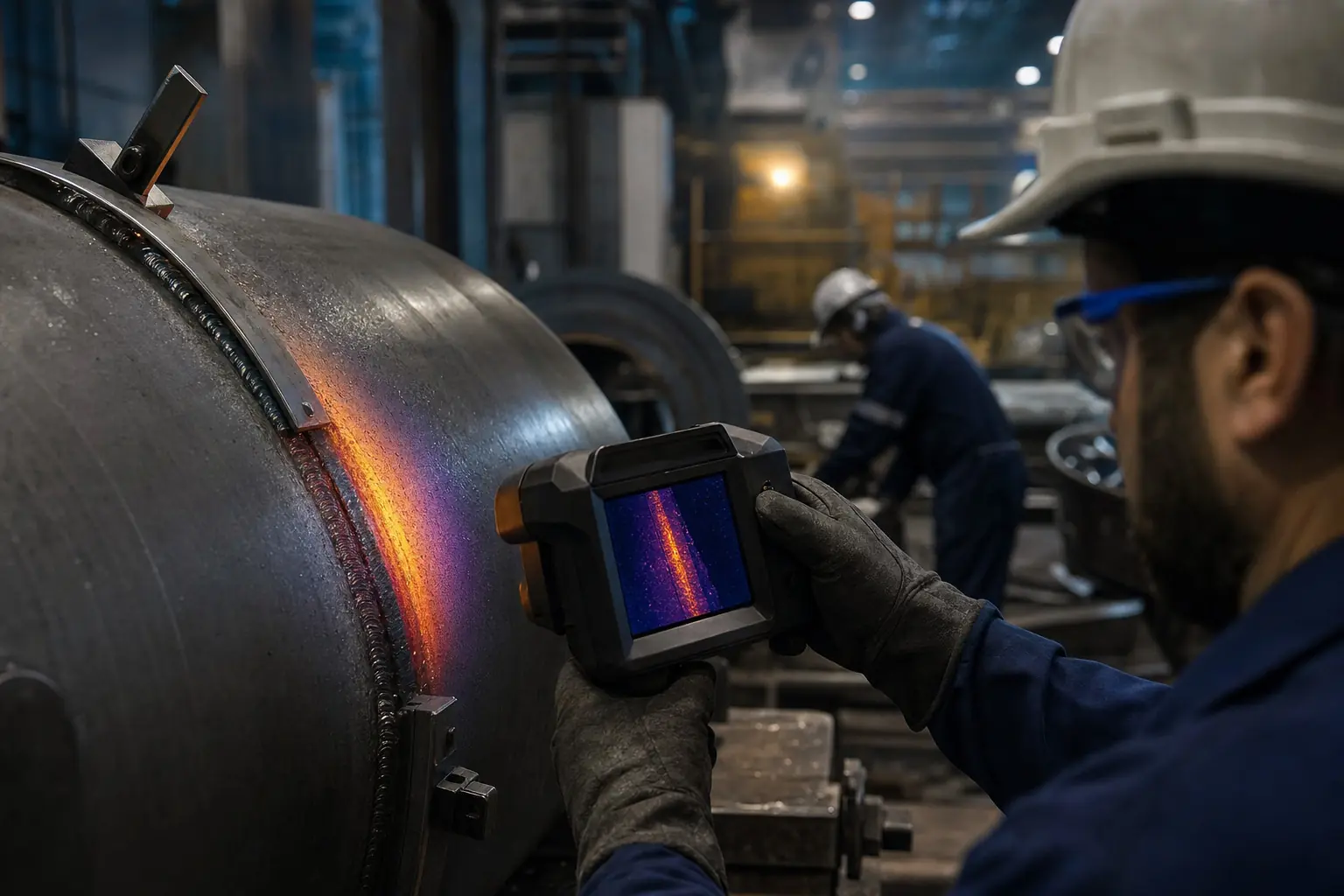
With the HeatCore QMS workflow, live inspection signals from inline thermal and vision monitoring attach to jobs automatically, so CAPA, PPAP, and supplier scorecards reflect the same truth.
Standards Mapping: ISO 3834, EN 1090, ASME
While terminology differs, the core requirements align: qualified procedures and people, controlled inputs, documented inspection and acceptance, and evidence retention. Map your clauses to records and sensors so every claim is backed by data.
Required Records and Digital Travelers
Centralize required artifacts: WPS/PQR, welder continuity, heat and lot certificates, inspection and NDT, calibration, nonconformity, and CAPA. Use a digital traveler that follows each part from cutting to final inspection, enforcing checkpoints with clear acceptance rules and auto‑captured evidence.
Digital QMS Architecture for Welding
Below is a minimal, audit‑ready architecture that teams deploy with the HeatCore QMS workflow. It ingests inline sensor data, enforces SPC/CAPA, and generates citations for auditors. See the sensor-to-record flow running live in our AI monitoring system walkthrough.
Implementation Checklist & Template
- Normalize WPS/PQR metadata and weld IDs across stations.
- Introduce a digital traveler with role‑based checkpoints.
- Stream inline sensor events and attach to jobs automatically.
- Enforce SPC limits and route nonconformities to CAPA.
- Publish audit citations and customer‑facing summaries.
Want a jump‑start? Request a demo to get our starter templates for travelers, PFMEA, control plans, and weld acceptance criteria.
Last updated: 2025-11-12
If welder continuity is still tracked in spreadsheets, add ISO 9606 welder qualification tracking software requirements to your QMS checklist so qualification expiry cannot silently break compliance.
For the consumables side of the equation, see our detailed guide on welding consumables traceability and digital ISO 3834 records — including batch-to-weld linkage, oven logs, and FIFO management.
The thermal and vision hardware that feeds these audit records is covered across the HeatCore monitoring products, so you can match a sensing tier to your standard and station count.
See welding QMS and inline monitoring working together
Connect ISO 3834, EN 1090, and ASME weld records to live thermal and vision evidence in one audit-ready system. Book a demo to see it run on your process.
Book a demo Explore the inline weld monitoring systemTherness solution: Welding monitoring system — Every weld inspected in the cycle, with defect flags and the ISO 3834 / ISO 17635 evidence kept per weld.