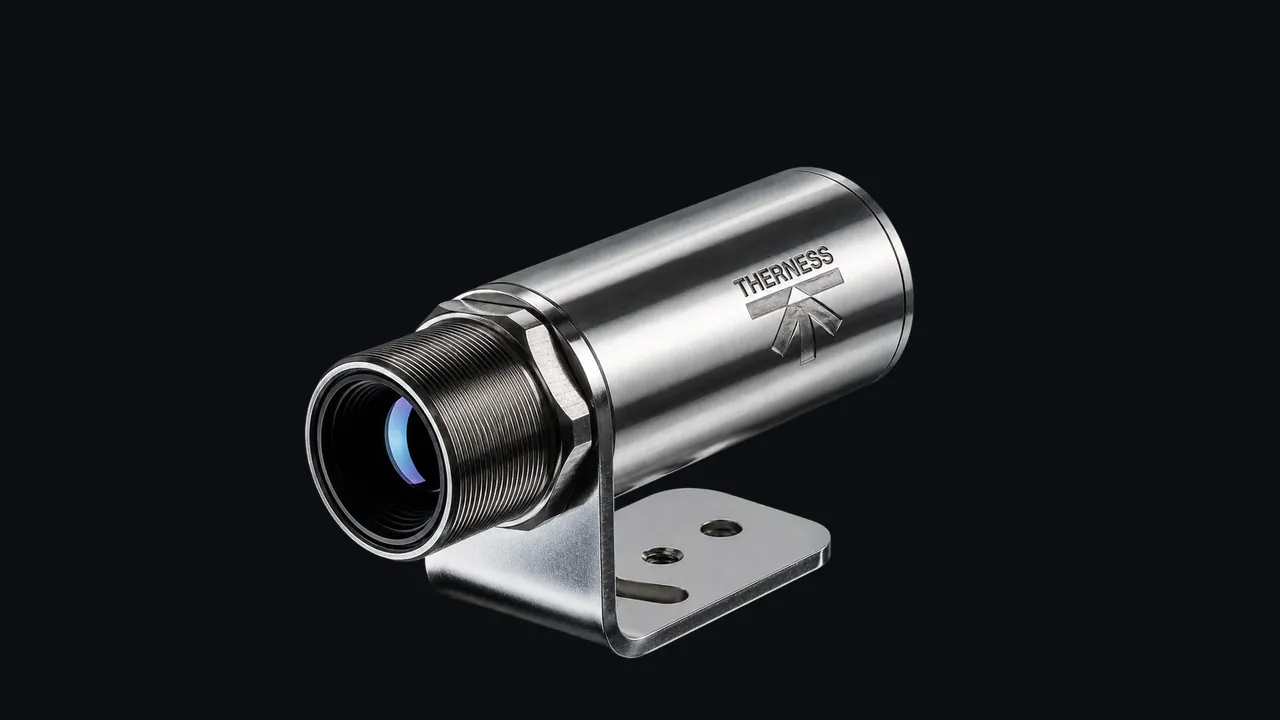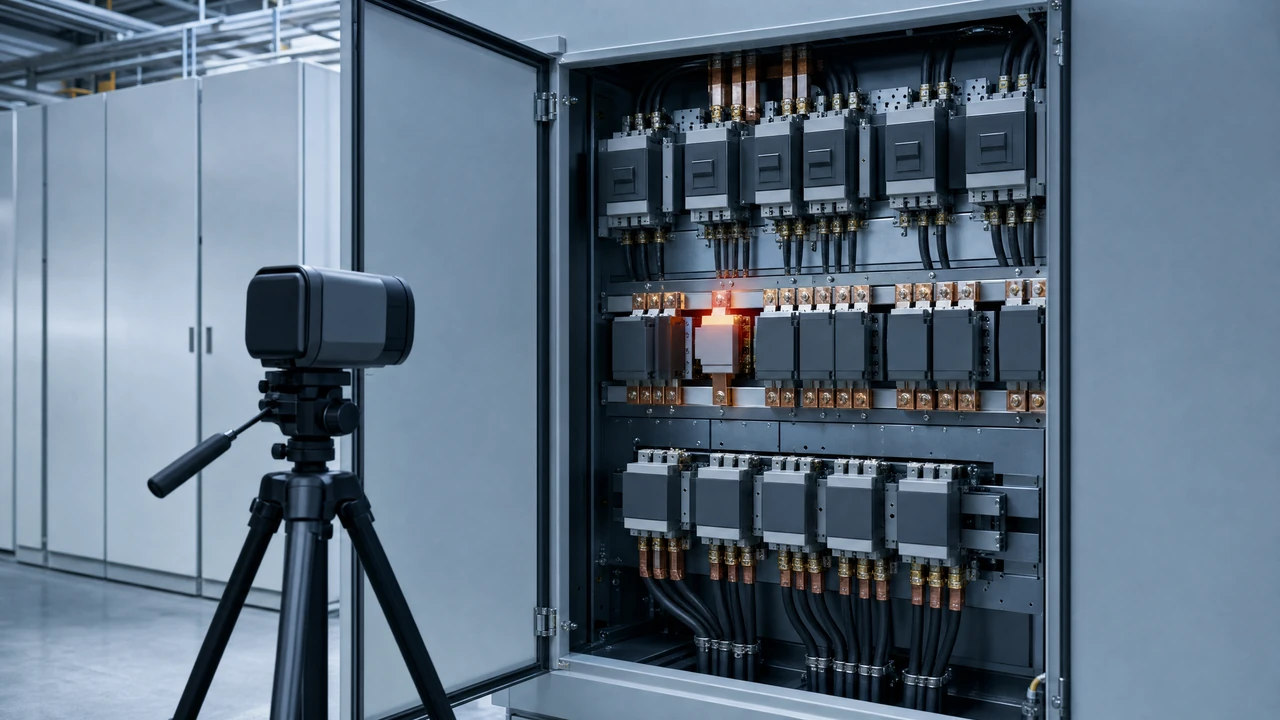
Electrical panel thermography can support maintenance decisions by documenting thermal patterns under known operating conditions. In a potentially explosive atmosphere, however, the survey plan also needs to respect hazardous-area controls, equipment access rules and the site’s permit system. A useful report therefore connects each image to the asset, operating state, measurement conditions and an authorised follow-up action.
The survey does not formally approve an installation and should not be used as a stand-alone declaration of conformity. It is one evidence source inside a broader electrical, maintenance and hazardous-area management process.
Key takeaways
- Confirm hazardous-area classification and site rules before planning access.
- Agree the asset list and operating conditions with the equipment owner.
- Link each thermal record to an unambiguous asset identifier.
- Record measurement context and limitations with every finding.
- Use a controlled review to assign maintenance actions and priorities.
- Verify closure with evidence appropriate to the site procedure.
Set the survey scope with the site owner
Begin with the asset register, single-line information available to the authorised team, hazardous-area documentation and the site’s rules for opening or approaching equipment. Define which panels, connections and components are in scope, which operating states are needed, and which assets cannot be inspected safely under the proposed method.
The electrical panel thermography service page describes the Therness inspection service. The IEC 60079 hazardous areas service page provides the internal hazardous-area context. Neither page overrides the site’s controlled safety system.
[Assumption / ipotesi] The equipment can be observed under a representative operating condition without breaching the site permit, access or protection rules. The site owner and authorised electrical personnel must verify this before work begins.
Create an evidence-ready asset list
For each asset, record the controlled identifier, location, panel or component type, planned view, operating state and access constraint. Use labels that match the maintenance system. Free-text descriptions such as “panel near line” are not sufficient when the report must be reviewed later.
Prepare a field record that links the visible image, thermal image and context notes. The operator should be able to confirm that both images describe the same asset and view. If a label cannot be read or an asset cannot be matched to the register, place the record in an exception state rather than guessing.
The industrial thermography service page describes the wider inspection context, and the thermography glossary entry explains the measurement category. The survey procedure remains site-specific.
Record conditions and limitations
A thermal pattern depends on the asset state and the measurement setup. Capture the information needed for a qualified reviewer to understand the image: operating condition, relevant loading context supplied by the asset owner, viewing angle, obstructions, surface condition, camera configuration and environmental factors defined by the procedure.
Do not infer an internal defect from a surface pattern alone. Describe what was observed and separate the observation from the engineering interpretation. Where a reference point is used within the same asset class, document why it is considered relevant and what limitations apply.
If a safe or valid view cannot be obtained, report the limitation. An absent image is not evidence that the asset has no thermal anomaly. Likewise, a visually striking image is not by itself a maintenance priority; the site needs a controlled decision process that considers asset function, context and risk.
Connect findings to controlled actions
Use a finding record with asset ID, image references, observation, measurement context, limitation, reviewer, recommended next step and status. The reviewer should distinguish between a request for additional information, a planned maintenance check, an authorised intervention and a finding closed with evidence.
Avoid generic instructions that bypass site authority. The report can identify an observed pattern and suggest the type of follow-up review, but authorised electrical and hazardous-area personnel decide isolation, access, repair and return to service.
IEC 60079, the Explosive atmospheres series, is the approved standards reference for this article. The specific parts, editions and clauses applicable to equipment selection, installation, inspection, maintenance or repair must be determined by competent personnel for the site. This article does not reproduce or interpret those requirements.
Review data quality before issuing the draft report
Check that every in-scope asset has one of three explicit outcomes: inspected with a valid record, not inspected with a reason, or removed from scope through an approved change. Verify identifiers, image pairing, timestamps, configuration data and reviewer notes. Confirm that every action has an owner and that no observation has been converted into an unsupported conclusion.
Test retrieval by selecting assets from the register and locating their records, then selecting report findings and tracing them back to the asset and images. Preserve the report revision and the disposition history so later maintenance evidence does not erase the original observation.
[Assumption / ipotesi] The customer’s maintenance or QMS platform can hold stable links to images and follow-up records. If not, define a controlled export and retention method with the data owner.
Sources
- Therness electrical panel thermography — documented service scope.
- Therness IEC 60079 hazardous-area services — documented hazardous-area service context.
- Therness industrial thermography — wider inspection and reporting context.
- IEC 60079 series, Explosive atmospheres — standard series identified for hazardous-area context; competent personnel must verify applicable parts, editions and clauses.
Plan thermography around assets, evidence and site controls
Therness structures electrical panel surveys with traceable images, stated limitations and a controlled handover to the asset owner.
Discuss a survey