Standardize WPS/PQR metadata
Adopt controlled vocabularies for base materials, filler metals, processes, positions, and acceptance rules. This enables fast search, analytics, and consistent reports. If your lines are mechanized or robotic, pair this with an ISO 14732 digital traceability model for welding operators and weld setters to connect personnel qualification directly to production evidence.
Build a digital traveler that enforces quality
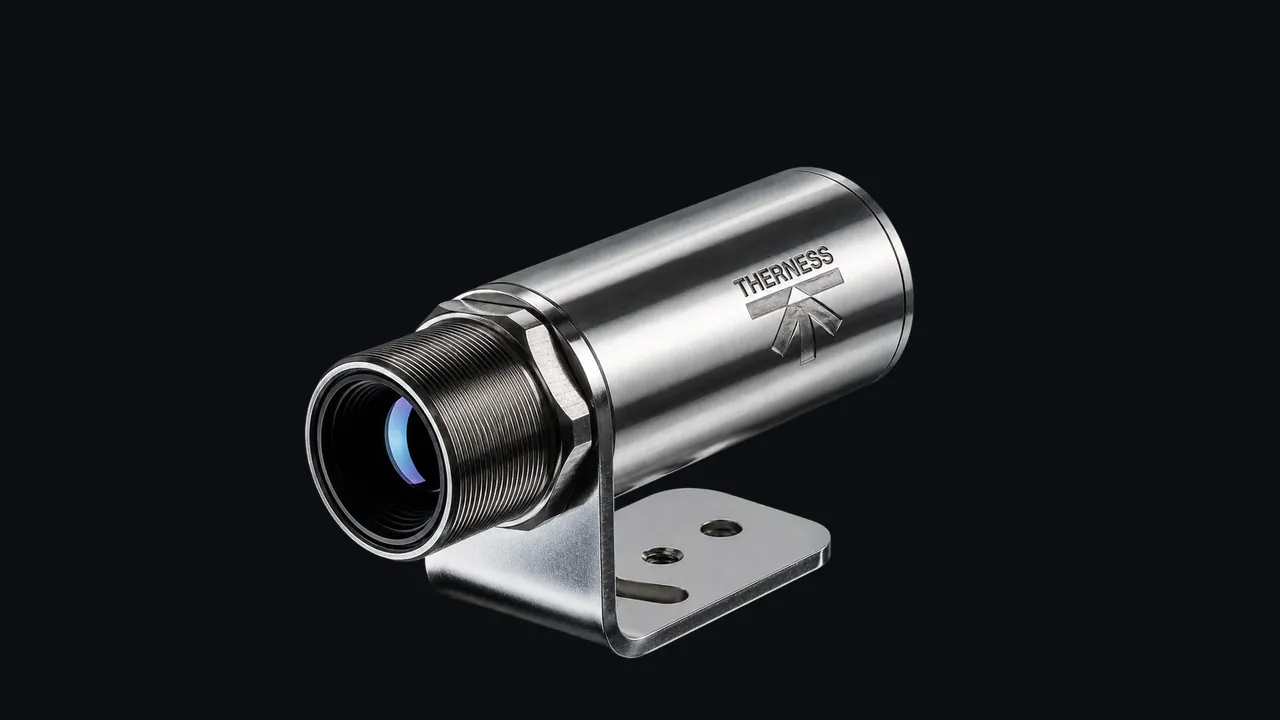
Require checkpoints (fit‑up, root, final) with role‑based approvals. Each step pulls the right WPS and acceptance criteria automatically from the record system. Pair the record chain with the hardware behind the weld traveler evidence so each checkpoint captures objective process data instead of a manual signature. For large-scale operations, connecting these records to a welding data historian and MES ensures full production-order traceability.
Welder continuity without headaches
Record continuity automatically when jobs run and tie each job to supporting WPS groups and process codes. Alert supervisors well before expirations and allow line‑side sign‑off.
Attach live evidence to every weld
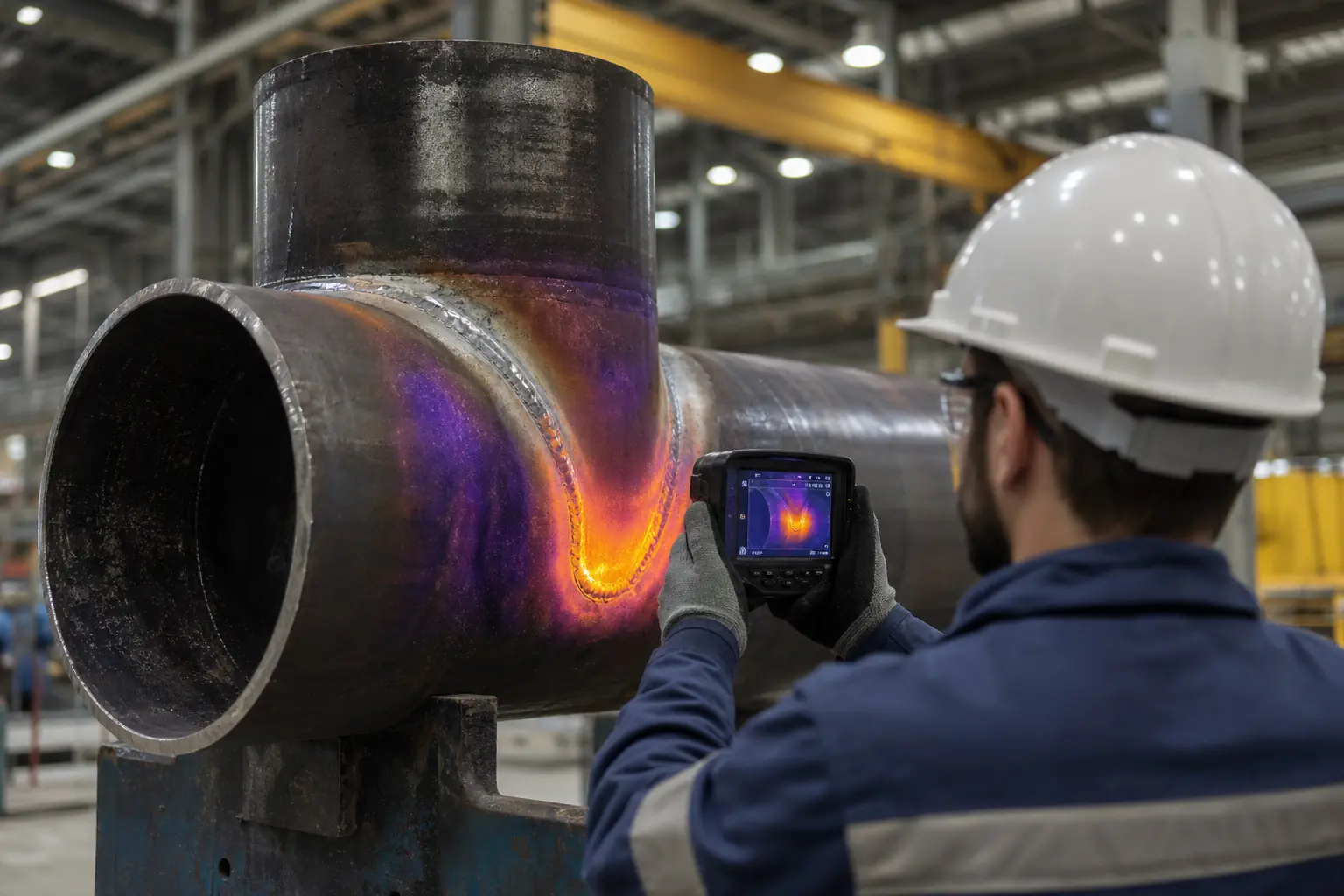
Evidence should attach itself: weld ID, station, timestamps, and a link to the relevant frames. With the HeatCore QMS workflow, inspectors and auditors can jump directly from a discrepancy to what the system “saw.” Watch a HeatCore platform walkthrough to see the evidence chain end to end.
From recorded parameters to the WPQR, and back to production
A WPS is only as defensible as the qualification record behind it. Under ISO 15614-1 the chain runs in one direction: a preliminary procedure (pWPS) is welded on a test piece, the test results and the parameters actually used become the welding procedure qualification record (WPQR), and the production WPS may only use ranges that the WPQR supports. Production evidence then has to show that each weld stayed inside those ranges. When any link in that chain is a transcription, an auditor can follow the paper but not the weld.
What to capture on the test piece
Record, per pass, the values that later define the range of qualification rather than the values that were dialled in:
- welding current and arc voltage, with polarity and process;
- wire feed speed for wire processes;
- travel speed and run length, usually from the fixture, robot program or a timed run;
- shielding gas type and flow;
- preheat and interpass temperature;
- the heat input (or arc energy) calculated from those values.
Heat input deserves special care because it moves the qualified range. Where impact requirements apply, ISO 15614-1 limits production to heat input no more than 25% above the value used on the test piece; where hardness requirements apply, the lower bound is 25% below it. Arc energy is voltage × current / travel speed, and ISO/TR 17671-1 applies a thermal efficiency factor k (for example 0.8 for MIG/MAG and MMA, 0.6 for TIG, 1.0 for submerged arc) to obtain heat input. For pulsed and other waveform-controlled power sources, averaged meter readings can misstate the energy delivered; ISO/TR 18491 describes calculating it from instantaneous voltage and current instead, which requires a record sampled fast enough to follow the waveform.
Keep the lineage machine-readable
- Give the WPQR, each WPS revision and each production pass record a stable ID, and store the reference on the record itself rather than in a filename.
- Store the qualified ranges as structured limits (minimum, maximum, unit), so a production record can be compared against them without re-reading a PDF.
- Keep the raw test-piece recording with the WPQR. If a range is questioned later, the evidence is the recording, not the summary table.
- When a WPS is revised, keep the old revision and the production records made under it linked to it; do not re-point history to the new revision.
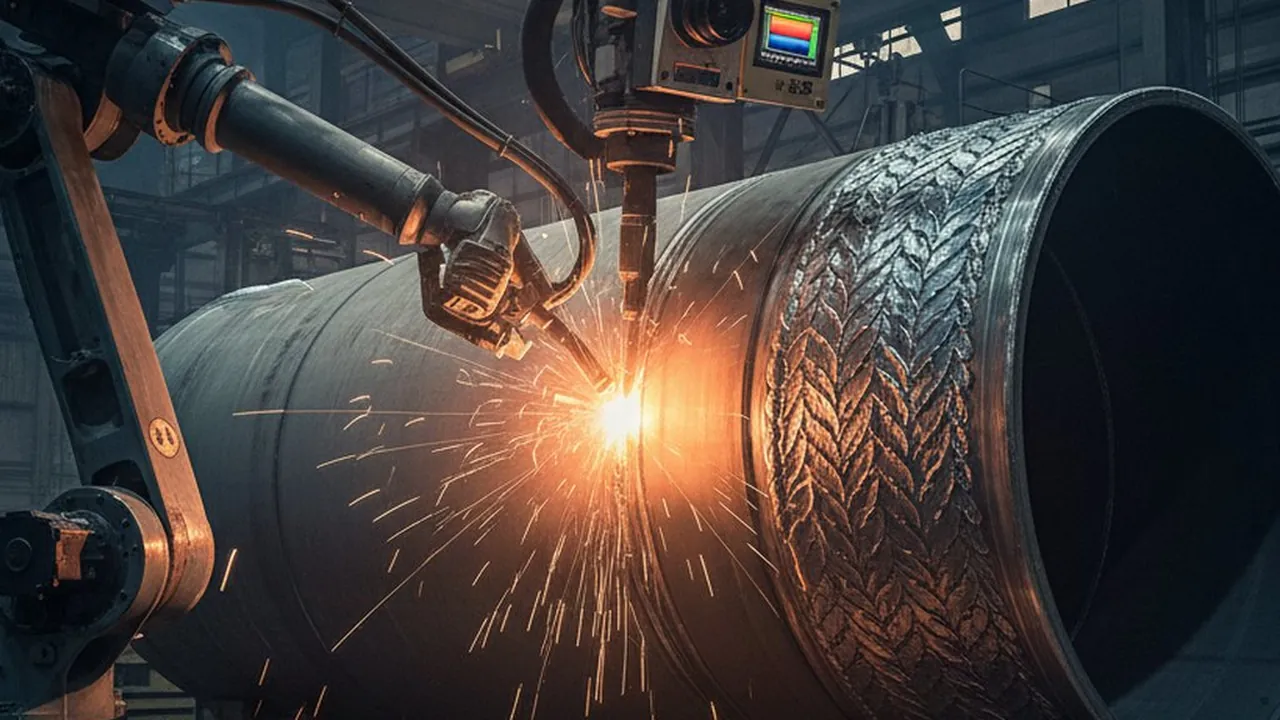
WeldTrace records voltage, current and wire feed speed simultaneously at 25 kHz, plus shielding gas flow at 10 Hz, on every pass. Recording the qualification test piece and production with the same kind of instrument keeps the two sides of the comparison consistent. Travel speed and temperatures still come from the fixture, robot controller or temperature records, and belong in the same record. For the qualification workflow itself, see the ISO 15614 digital workflow from pWPS to approved WPQR; for who owns, reviews and releases each record, see welding quality documentation: records, roles and release. Checking WPS and PQR documents for revision currency and signature completeness is one of the tasks the Quality AI Agents service can take on, with your quality team keeping override authority.
Last updated: 2026-10-02
Related reading: To convert traceability data into action, see Welding NCR Management Software: ISO 3834 Workflow for Faster Root Cause and CAPA.
Related reading
To connect traceability with metrology governance, read ISO 17662 welding monitoring calibration, verification, and validation.
For personnel qualification continuity, see ISO 9606 welder qualification tracking software to connect welder validity, assignment control, and audit evidence in the same digital record chain.
For consumables batch records, filler metal certification linkage, and oven log traceability, see welding consumables traceability: digital records for ISO 3834 compliance.
For the parametric side of the record — voltage, current, and wire feed speed captured against the WPS envelope — see WeldTrace.
Turn weld records into audit-ready evidence
See how HeatCore attaches live monitoring evidence to every WPS, PQR, and weld traveler — so audits pull complete records in minutes, not days.
Book a demo Explore the weld monitoring systemTherness solution: Welding parameter monitoring — Current, voltage, wire feed and gas recorded per weld, as WPS/PQR and heat-input evidence.