Need an audit-focused implementation path? Review our CQI-15 Welding System Assessment digital playbook to connect inline monitoring with corrective-action evidence.
Why Automotive Welds Are Special (And Brutal)
Body-in-white, chassis, and battery structures mix safety, stiffness, and fatigue requirements with aggressive takt times. OEM clauses demand evidence, not anecdotes. That means inline coverage, documented results, and fast routing to rework with traceability back to part ID, station, and welder/robot program. An inline weld monitoring platform delivers exactly this coverage on a BIW or battery-tray line.
BIW welds: hundreds per body
Takt: seconds
Documentation: OEM + ISO 3834/EN 1090
The Cost of Not Inspecting Welds Inline
Missed welds, undercut, porosity, and burn-through often surface after paint or final assembly. Late discovery means line stops, rework loops, and in worst cases field actions. Inline inspection catches these upstream, keeping takt and first-time-through intact.
Inline Weld Inspection Technologies Compared
Which inline technologies fit automotive welds:
| technology | best for | strengths | considerations |
|---|---|---|---|
| 3D vision / laser | geometry, missed welds | great for BIW seams and battery trays | line-of-sight, cleaning, glare |
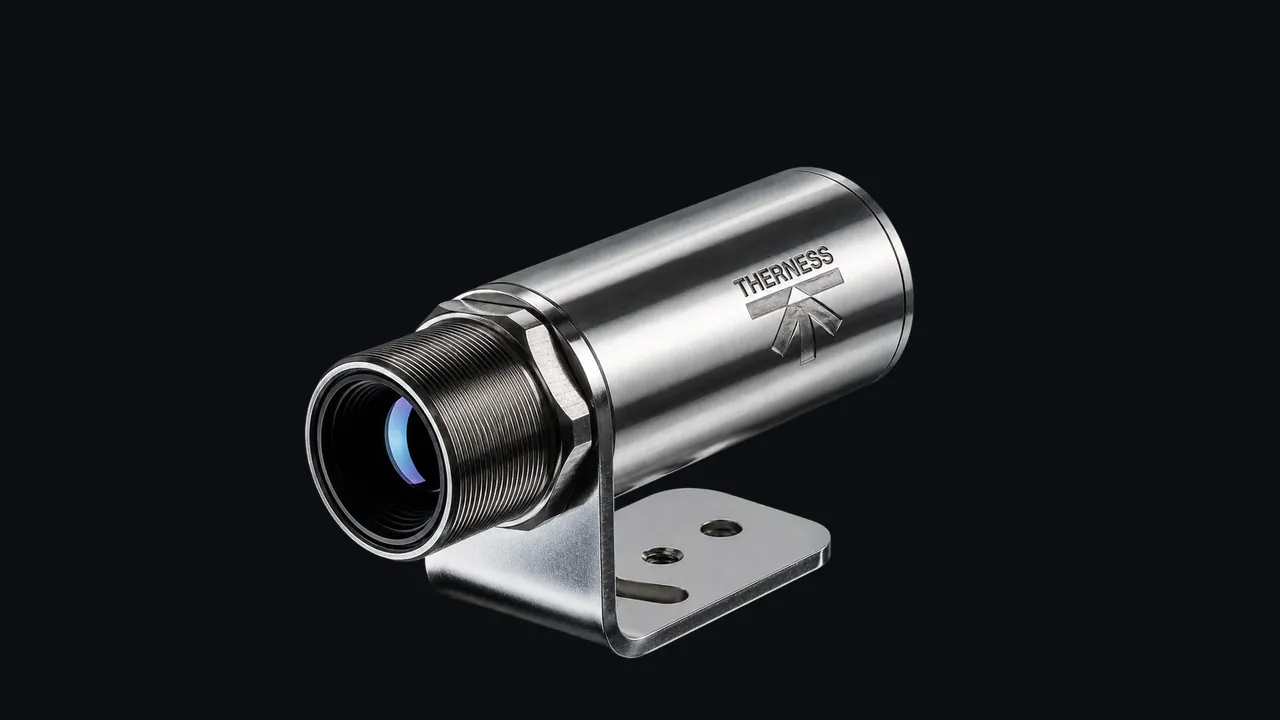
| thermography | heat input, burn-through risk | fast, links to microstructure; strong on thin sheet | mounting angles, emissivity, optics care |
| electrical monitoring | arc stability, wire feed issues | easy integration with robots; low cost | indirect for geometry, needs correlation to defects |
Many OEMs combine thermography with vision to reduce false positives and catch both heat flow issues and geometry misses. For a deeper dive on modality trade-offs, see thermal vs. vision vs. acoustic AI.
Design Patterns for Inline Inspection Cells
Two common patterns keep takt time intact:
- Robot-mounted sensors: ride with the torch; great for curved paths and short cycle times.
- Fixed station / post-process: robot drops the part into a check station with synchronized trigger and PLC handshake.
Either way, feed results to the MES/QMS and trigger rework routing automatically (digital records keep the paperwork tidy).
Example: From Manual Checks to Inline Monitoring on a Chassis Line
Before: sample checks every 20th part, offline gauges, occasional box-opening at end-of-line. Rework clustered around undercut and missed welds, causing line stops.
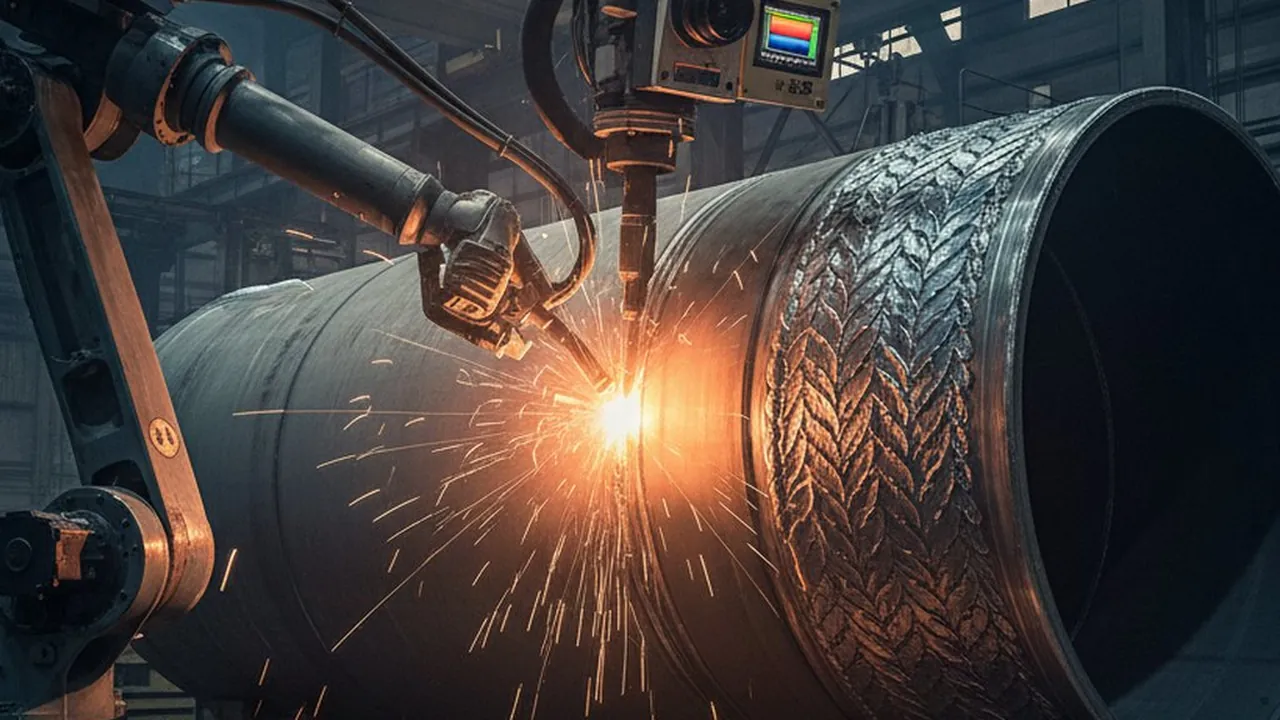
After: thermography on the robot + 3D vision at a fixed check station. Alerts feed into HeatCore for classification, and rework instructions go to operators. Scrap drops, and the top Pareto defects are visible daily. See an AI weld-monitoring demo on a robotic cell for how those alerts surface in real time.
- Missed weld / skipped segment
- Undercut > spec
- Porosity cluster
- Burn-through on thin cross-members
Metrics Automotive OEMs Actually Care About
Make the business case and align alerts to metrics already on plant boards:
- First-time-through (FTT) and defects per unit (DPU)
- Rework minutes and scrap rate by station
- Warranty actions / recall risk
- Documentation completeness (evidence per weld symbol)
Showcase results with real numbers like cycle time preserved, % scrap reduction, and RT/UT findings trend. Link back to case studies to prove it works.
Implementation Checklist for Automotive Plants
- Align requirements with quality + production + IT/cybersecurity.
- Choose sensor mix and mounting (robot vs. fixed station) — compare the full sensor and software lineup.
- Integrate triggers and data to PLC/MES/QMS (QMS software guide).
- Start with one cell, validate alarms against RT/UT, then copy to similar cells.
- Document SOPs, response plans, and acceptance criteria per weld symbol.
Pair the inline stack with HeatCore AI monitoring so operators see the same alerts the QMS stores.
If your BIW line is dominated by spot weld stations, use this dedicated playbook on resistance spot welding monitoring for automotive BIW to standardize drift alarms and traceability at weld-event level.
Catch BIW and battery-tray weld defects at the cell, not after paint
Therness inline monitoring gives automotive lines per-weld thermal and vision evidence, automatic rework routing, and ISO 3834 / OEM traceability.
Book a demo See the inline weld monitoring platformTherness solution: Welding monitoring system — Every weld inspected in the cycle, with defect flags and the ISO 3834 / ISO 17635 evidence kept per weld.