Problem Framing: Real‑Time Defect Detection During Welding
During welding you often have tens of milliseconds to interpret signals and act before the bead moves on. Each modality captures different physics: thermal sees heat flow and cooling behavior; vision sees geometry, plume and spatter; acoustic hears transient stress events. These differences drive coverage, accuracy, and the compute and maintenance you’ll need on the line.
Your choice should reflect the dominant failure modes, surface conditions, cell layout, and acceptable latency. In practice, the best results often come from a primary signal (thermal or vision) augmented by a second modality to catch the edge cases that produce costly scrap or rework.
Thermal AI: Modeling Heat Signatures and Cooling Curves
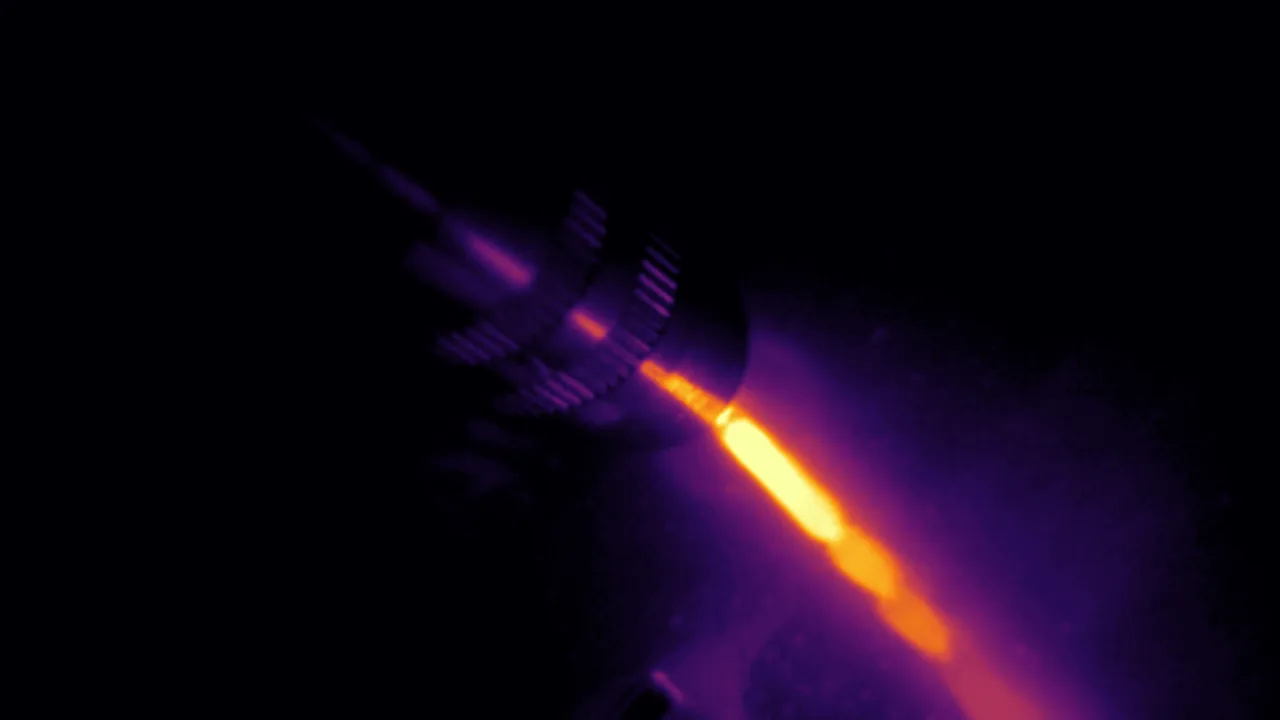
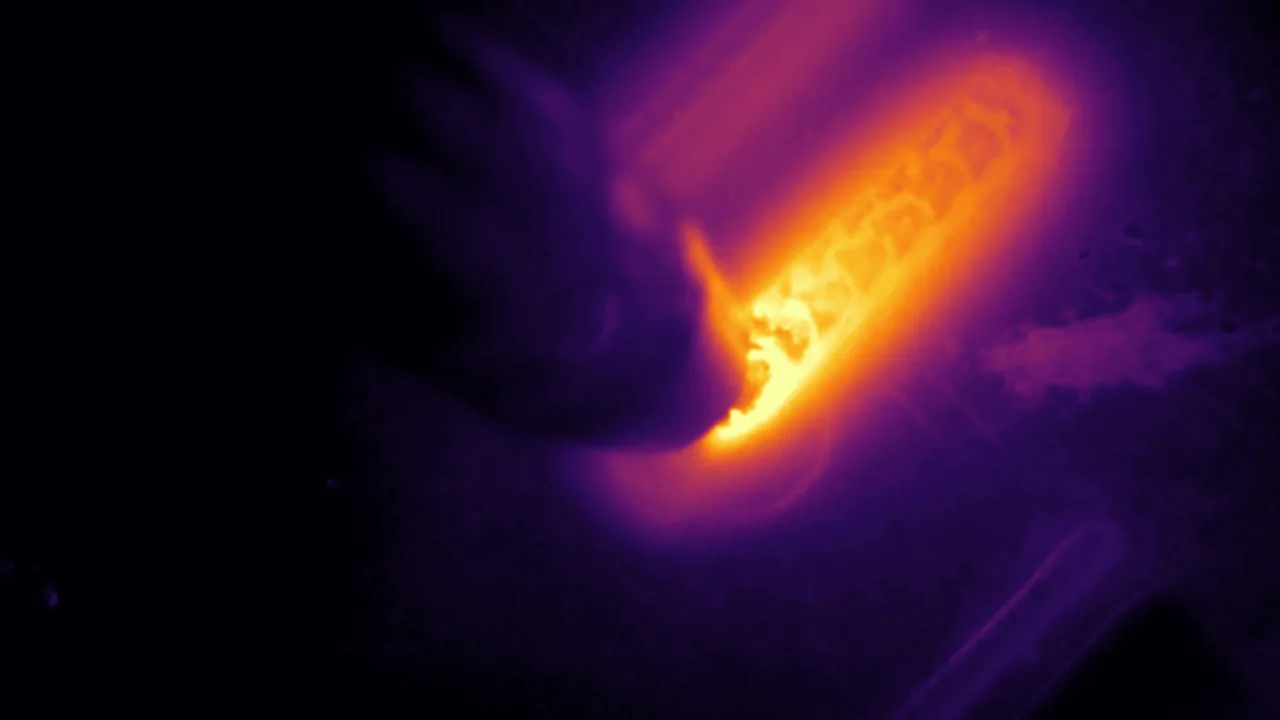
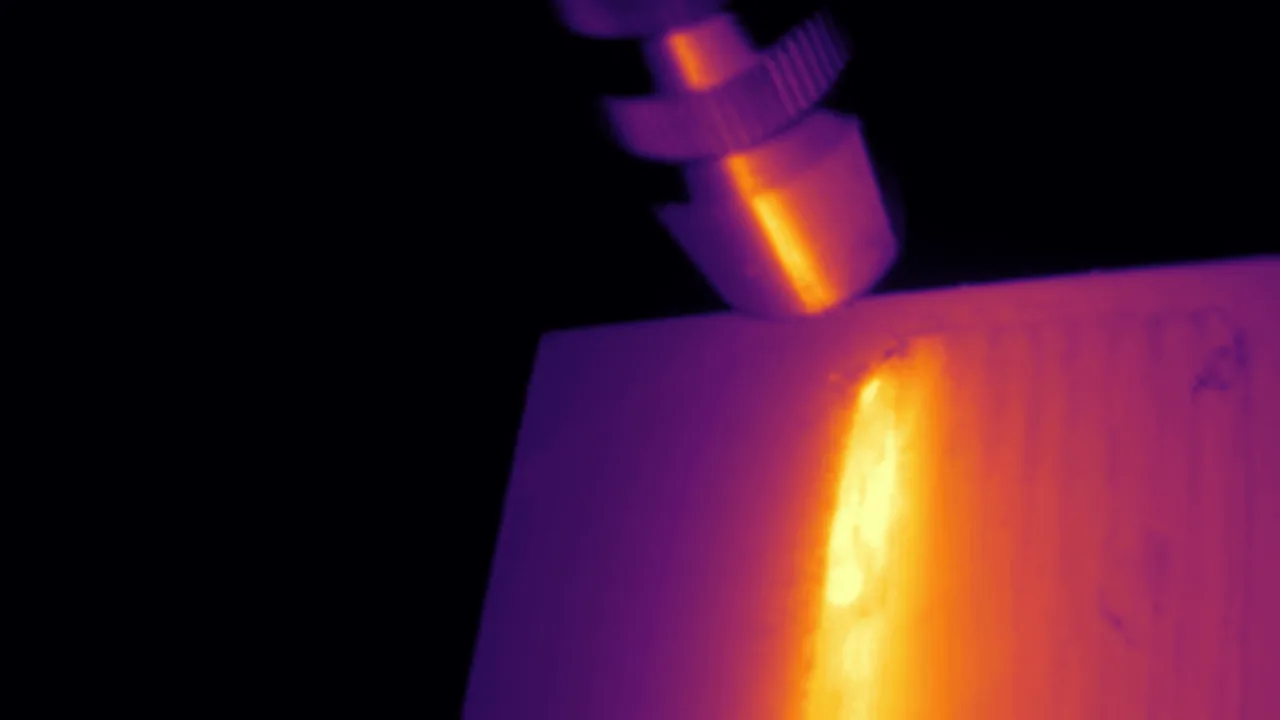
Thermal focuses on heat flow, enabling t8/5 estimation, HAZ width checks, and toe cooldown rate limits. Feature engineering can measure region temperatures, gradients, widths, and temporal slopes. Modern approaches combine those with CNNs or temporal transformers over short sequences to capture dynamics that a single frame misses.
Strengths: sensitivity to process instability, direct link to metallurgical risk via cooling rates, and robustness to ambient lighting. Considerations: emissivity and reflections, optics fouling, and sensor cost. Frame rates of 200–1000 fps and exposure control are common to reliably capture short‑lived anomalies.
Machine Vision AI: Beads, Spatter, and Plume Analysis
Visible/near‑IR cameras capture bead geometry, arc position, plume and spatter. Models range from light segmentation of bead shape to detectors that track arc/plume stability. With proper optics and filtering, vision excels at alignment and geometry cues; without them, glare and contamination can reduce precision and add drift.
Plan for regular cleaning and MTF checks. Use narrow‑band filters, hoods, or shuttered enclosures where glare and spatter are severe. Validate against geometric tolerances and bead measurements, not just defect labels.
Acoustic Emission AI: Sensing Subsurface Events
AE sensors register transient elastic waves from cracking or other stress events. They can complement thermal/vision by hinting at subsurface problems, though coupling and ambient noise control are critical. Useful in stations where sensor mounting is straightforward and the structure conducts signals well.
Modality comparison for weld defect detection (illustrative):
| modality | signal focus | typical fps | strengths | considerations |
|---|---|---|---|---|
| thermal | heat flow, cooling curves | 200–1000 | process stability, t8/5, toe cooling | emissivity/angles; sensor cost |
| vision | bead geometry, plume/spatter | 60–240 | alignment, geometry cues | glare, lens fouling |
| acoustic | transients, stress events | kHz (downsampled) | subsurface hints | coupling, noise, fixtures |
Precision, Recall, and ROC: Measuring Detection Performance
Deployment Realities: Edge GPUs, Latency, and Maintenance
Budget end‑to‑end latency across exposure, transfer, preprocessing, inference, and actuation. For high‑fps thermal streams, aim for single‑digit millisecond inference on edge GPUs or NPUs. Keep pipelines deterministic (fixed input sizes and operators), and monitor both model drift and sensor health (focus, contamination, signal‑to‑noise).
Hardware examples that meet sub‑50 ms budgets for 200–500 fps streams include modern edge GPUs; CPUs alone often struggle at high resolutions or with temporal models. Size storage and networking for continuous logging and short clips around alarms. (See an AI monitoring system analyse a live weld.)
Cost–Benefit: When Each Modality Wins (or Combine Them)
Thermal often wins for process instability and cooling‑rate‑related risks; vision for geometry and alignment; acoustic as an adjunct when coupling is practical. Many lines combine thermal + vision for fewer false positives at constant recall — the basis of a multi-sensor weld monitoring stack. Consider total cost of ownership: optics cleaning, sensor calibration, model updates, and downtime from nuisance alarms.
Related: thermography fundamentals · welding quality roi calculator · active thermography for subsurface defect detection · sensor fusion architectures for weld quality
References
- ISO 17635 — NDT of welds — General rules (context for acceptance workflows)
- ISO 5817 — Quality levels for imperfections (acceptance classes)
- Edge deployment guides from GPU vendors for real‑time inference sizing
- Research literature on thermal/vision multi‑modal weld monitoring
Related Articles
- AI Weld Monitoring: How Computer Vision Works — Deep dive into computer vision for weld pool analysis
- Weld Quality Monitoring 101: Real-Time AI — Introduction to AI-powered quality monitoring
- Inline Weld Inspection in Automotive — Implementation in automotive BIW and EV battery production
- Thermal Imaging for Dissimilar Metals Welding — Monitoring complex interfaces like steel-aluminum and copper-steel
- Therness Products: Multi-Sensor Weld Monitoring — Thermal, visual, and acoustic monitoring solutions
Therness solution: Welding monitoring system — Every weld inspected in the cycle, with defect flags and the ISO 3834 / ISO 17635 evidence kept per weld.