The real cost of product liability in automotive
The automotive sector is inherently high-risk due to the technical complexity of vehicles and the potential severity of component failures. Consequently, Product Liability (RC Product) insurance premiums significantly impact a manufacturer’s annual turnover.
While low-risk sectors (e.g., artisanal goods) might see premiums around 0.25% of revenue, automotive manufacturers face much steeper costs. Industry benchmarks indicate that for high-exposure manufacturing like automotive, annual premiums typically range from 0.5% to 1% of revenue.
For a medium-sized automotive company, the average cost often settles around 0.75% of annual revenue. This is a substantial multiple compared to “low risk” producers, reflecting the insurers’ calculation of potential recall and liability expenses.
How quality control transforms risk profiles
Insurance companies and brokers recognize that effective risk reduction should be rewarded with lower premiums. In the automotive sector, the adoption of 100% in-line quality control technologies and predictive monitoring systems can drastically mitigate the risk of product defects. Explore the HeatCore product range that delivers this in-line inspection on the line.
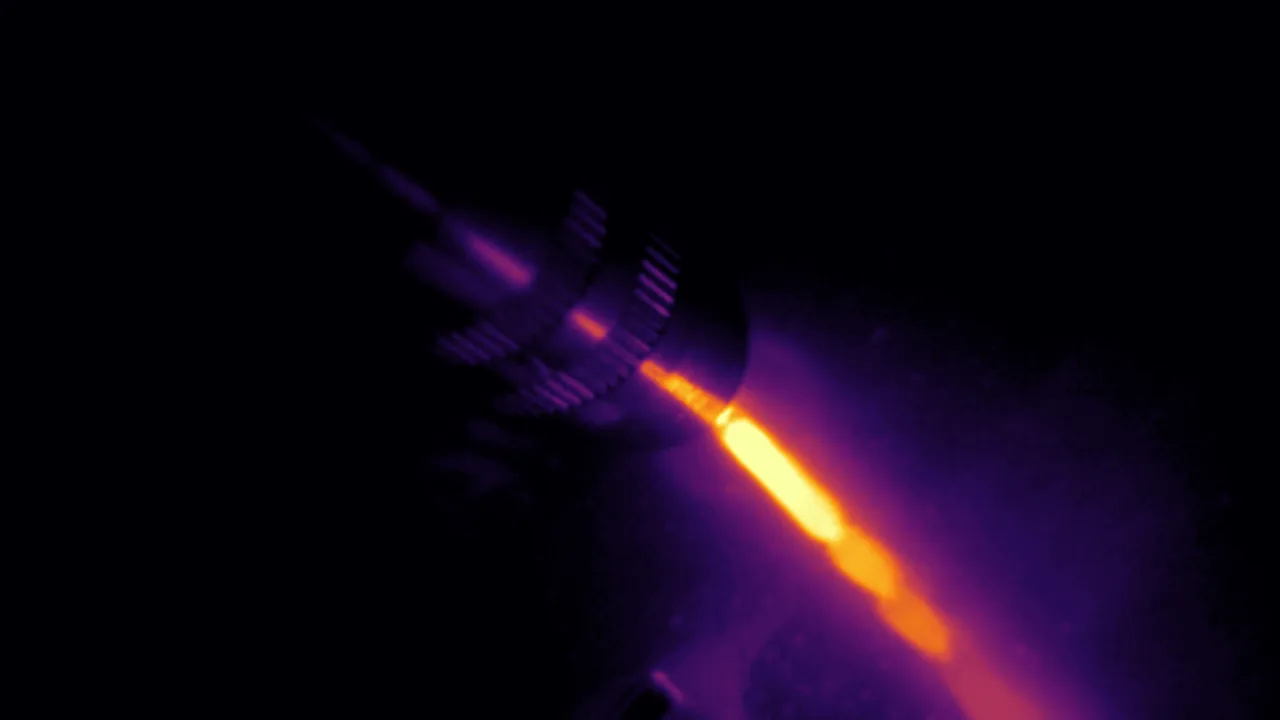
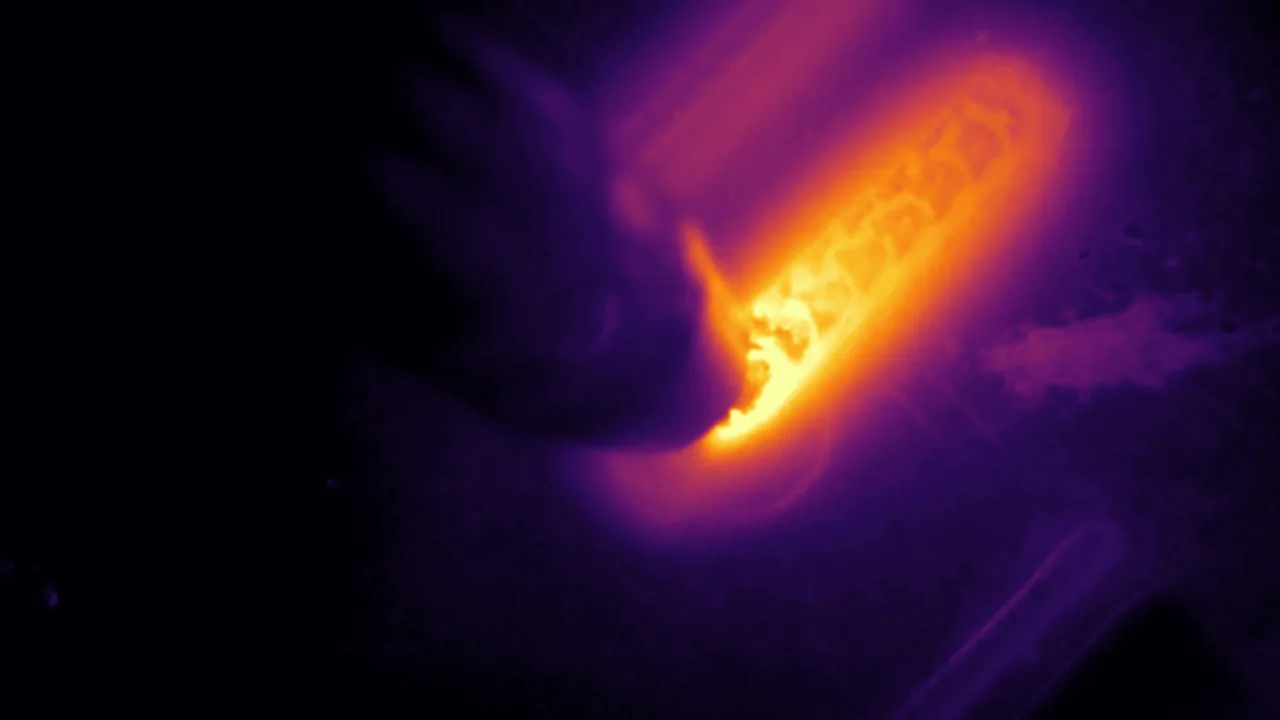
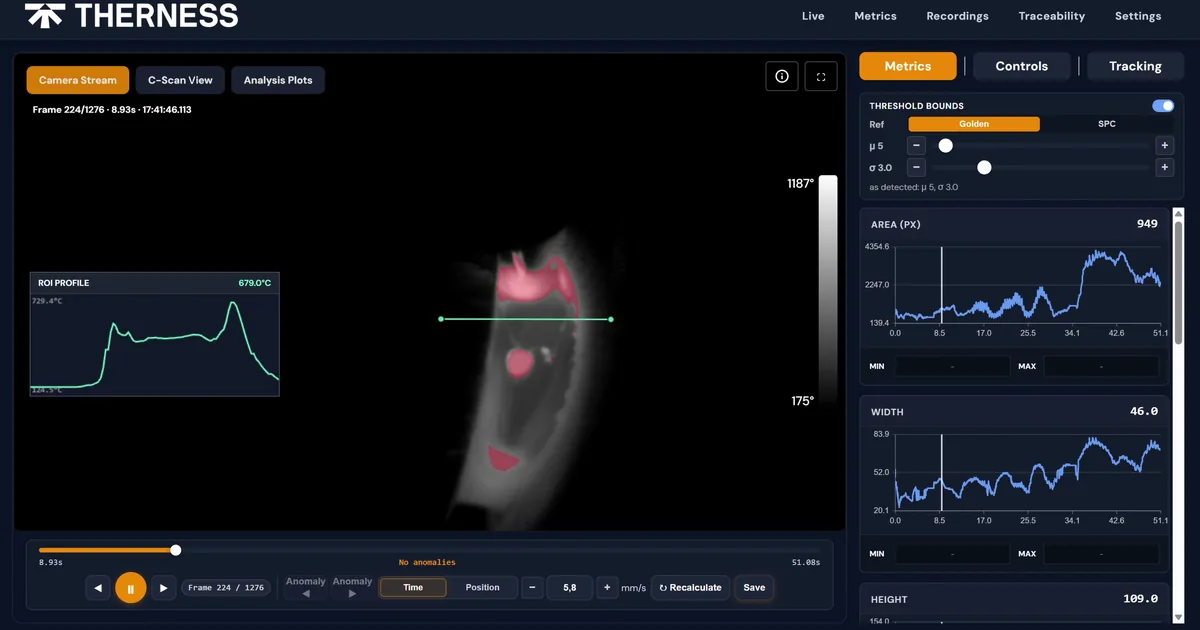
Implementing a system like HeatCore AI for real-time thermal inspection of welds allows manufacturers to identify and correct structural defects immediately. The goal is zero hidden defects. Watch the AI monitoring system run this thermal inspection on a live weld.
When you catch problems before they leave the factory, you reduce the probability of claims and recalls. This transforms your company into a “better risk” in the eyes of underwriters. Brokers emphasize that demonstrating rigorous quality controls and proven defect prevention is a powerful negotiation tool. Being a “better risk” directly translates to more competitive premiums.
Beyond premiums: the hidden costs of defects
Reducing defects doesn’t just lower insurance premiums; it slashes the indirect costs that often fly under the radar but bleed profit margins. Our analysis of weld defect costs by industry quantifies exactly how scrap, rework, and warranty costs compound—including automotive line-stop penalties reaching €50,000/hour.
Fewer defects also strengthen the commercial side: consistent quality records improve your quote win rate with OEM purchasing teams.
- Below-deductible events: many field issues don’t trigger a formal claim because they fall under the policy deductible. These costs—replacements, diagnostics, shipping, repairs—come directly out of pocket.
- Deductible optimization: a cleaner claims history allows you to negotiate better deductible structures, freeing up financial capacity.
- Administrative burden: managing claims and complaints consumes valuable time from Quality, Engineering, and Legal teams. Automated records simplify technical reconstruction and reduce “fire-fighting” time.
The ROI of 100% inspection (data & case studies)
Insurance case studies and broker guidance highlight the financial impact of robust quality systems:
Clean claims history
Manufacturers that maintain several years without significant claims are often able to negotiate noticeably lower premiums than peers with repeated losses.
Structured QA programs
Insurers and brokers consistently reward structured Safety and Quality Assurance programs with more competitive program terms, including pricing, deductibles, and limits.
Real-world improvements
Case studies show that combining strong quality control with better documentation can drive meaningful reductions in total insurance spend over time.
For an automotive manufacturer with substantial annual revenue, even a modest improvement in the liability premium as a share of revenue can translate into tens of thousands of euros per year in savings—purely from insurance optimisation, before even counting the operational savings from reduced scrap and rework.
Conclusion
For automotive manufacturers, investing in advanced 100% quality control systems like HeatCore AI is a strategic financial move. It goes beyond ensuring product safety; it serves as a concrete lever to negotiate substantial reductions in Product Liability premiums.
With the potential to materially reduce insurance costs and minimise uninsurable indirect costs, real-time weld monitoring offers a dual ROI: operational efficiency on the shop floor and financial efficiency on the balance sheet.
Turn 100% inspection into lower liability premiums
See how real-time weld monitoring builds the clean claims history and documented QA that underwriters reward — request a quote for your line.
Request a quote See 100% in-line weld monitoringTherness solution: Welding monitoring system — Every weld inspected in the cycle, with defect flags and the ISO 3834 / ISO 17635 evidence kept per weld.
Related Video