English version
For a steel highway bridge welded under AWS D1.5, what does the bridge code add to the structural-steel route, and which records must exist per weld? A fabricator who already works to the structural welding code knows most of the vocabulary: WPS, welder qualification, visual inspection, groove and fillet welds. The bridge code is not a different language. It is a stricter set of rules for structures that carry repeated traffic loads for decades, where a crack that grows from one weld can take a span out of service.
This guide covers only what D1.5 adds. The base structural route, its acceptance criteria and inspection are in the AWS D1.1 structural welding code guide and the AWS D1.1 scope reference. No table from either code is reproduced here: confirm each requirement in the edition your contract and the bridge owner’s specification cite.
Why bridges get their own code
D1.5 is published jointly by the American Association of State Highway and Transportation Officials and the American Welding Society. It covers welded steel highway bridges and is invoked by the bridge owner’s specification, usually a state transportation agency. Three loads explain its extra rules:
- Fatigue. Every vehicle is a load cycle. Weld toe shape, internal discontinuities and residual stress matter more than in a building that sees its design load a few times in its life.
- Toughness. A bridge sits outdoors through winter. Base metal and weld metal must stay tough at the service temperature the owner specifies.
- Redundancy. Some members have no backup load path. If they crack through, the span can fail. D1.5 treats them separately.
Five things D1.5 adds
| Area | What the bridge code adds | Record to keep per weld or per lot |
|---|---|---|
| Procedures | Much more reliance on qualification by test; far fewer procedures can be used without testing than on the structural route | WPS with its supporting qualification record, the test results and the essential variables it covers |
| Consumables | Toughness requirements on filler metal and tighter control of diffusible hydrogen, with storage and exposure rules | Filler certificates with toughness results, oven and exposure logs |
| Thermal control | Preheat and interpass control, and limits on heat input where toughness is at stake | Preheat and interpass readings and heat input per pass, tied to the joint |
| Examination | Volumetric examination extents set by the stress the joint carries, tension or compression, and by member type | NDT report per joint with method, extent and result |
| Repairs | Stricter repair rules; critical repairs need the engineer’s approval before welding | Repair procedure, approval and re-examination record |
The table frames the questions. The numbers, test types and extents come from the cited edition and the owner’s specification.
Fracture-critical members
The largest addition is the fracture control plan for nonredundant members, the members whose failure would collapse the span or make it unusable. The designer marks them on the drawings, and from that point the fabricator works to a stricter regime:
- higher toughness requirements for base metal and weld metal;
- tighter hydrogen control, from consumable class to storage and exposure time;
- documented preheat, interpass and heat input on every pass;
- more examination, and repair rules that leave little room for improvisation;
- fabricator qualification and inspection as the owner’s specification requires.
For the shop, the practical point is that a fracture-critical weld needs a record per pass, not a statement that the procedure was followed. An inspector asked “what was the interpass temperature on pass four of this flange splice?” needs a number, a time and a joint ID.
Hydrogen and heat: where most problems start
Hydrogen-assisted cracking can appear hours after welding, under the surface, in the heat-affected zone of thick, restrained bridge members. D1.5’s hydrogen rules exist to prevent it. They work only if the shop can show three things: the consumable was stored and exposed within limits, the joint was preheated, and the interpass temperature and heat input stayed inside the qualified range.
The mechanism and the hold-time logic are covered in the hydrogen-induced cracking prevention guide. The measurement side is in the preheat and interpass temperature monitoring guide. D1.5 does not add a new physics. It asks for evidence that the controls were applied on every joint that needs them.
Make the record per weld
A bridge fabricator usually faces two audiences: the owner’s inspector during fabrication, and an engineer reading the records years later when a crack indication turns up in service. Both need the same thing. For each joint they need its WPS, welder, consumable lot and the thermal and electrical history it went through.
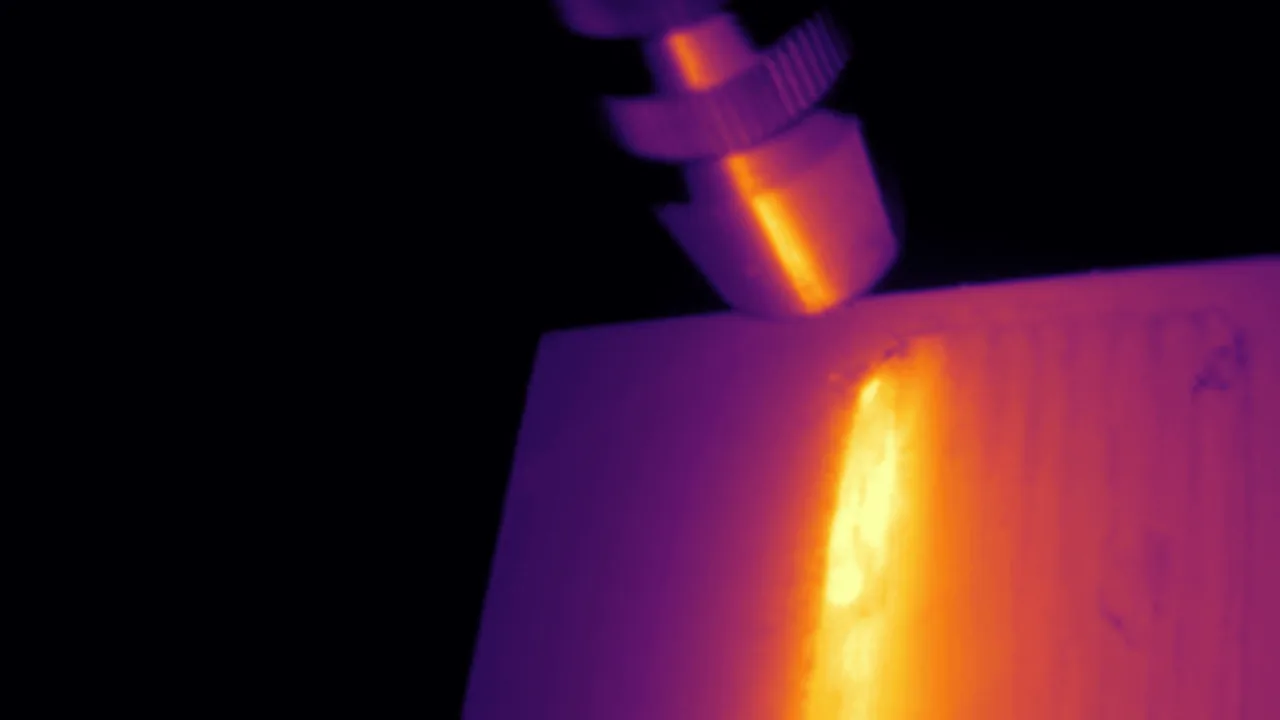
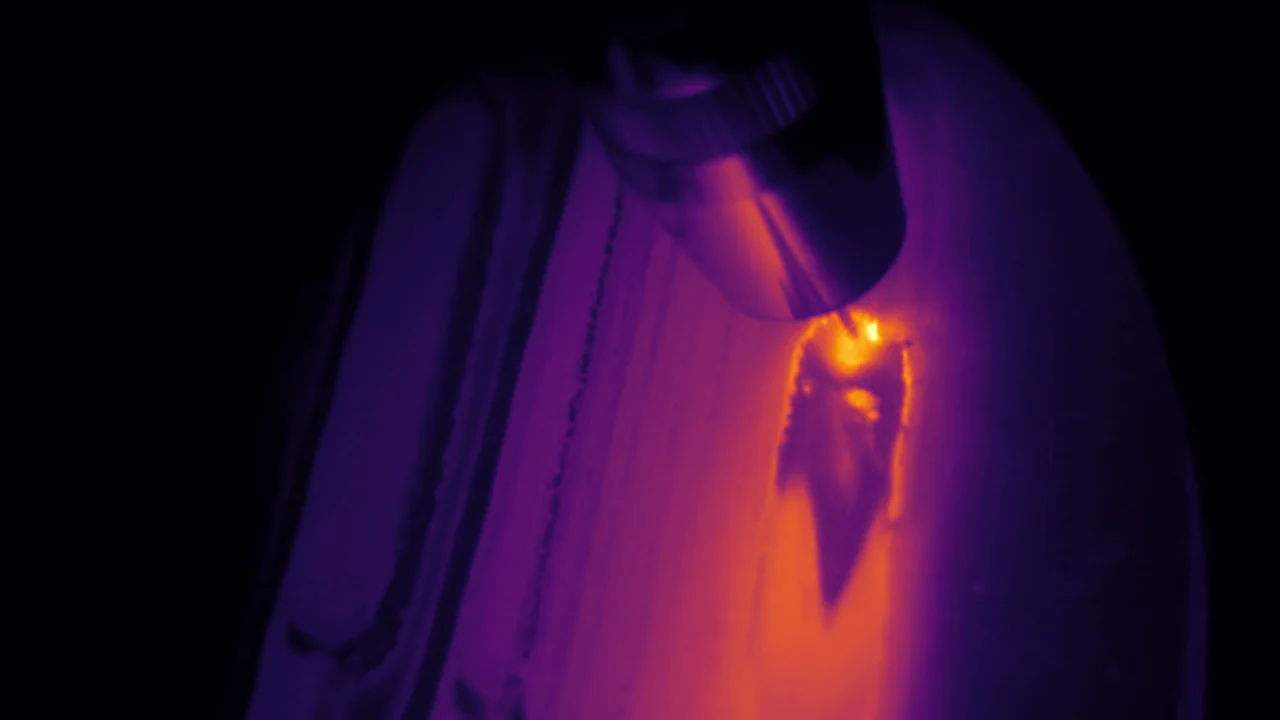
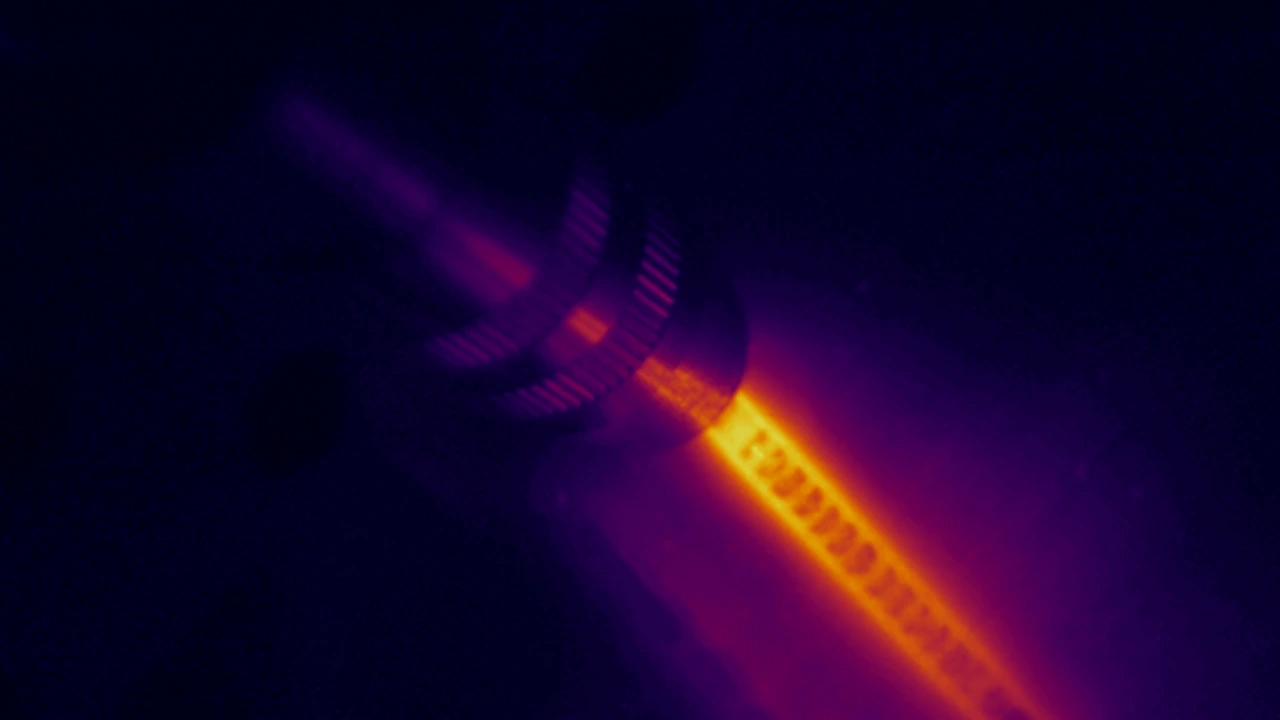
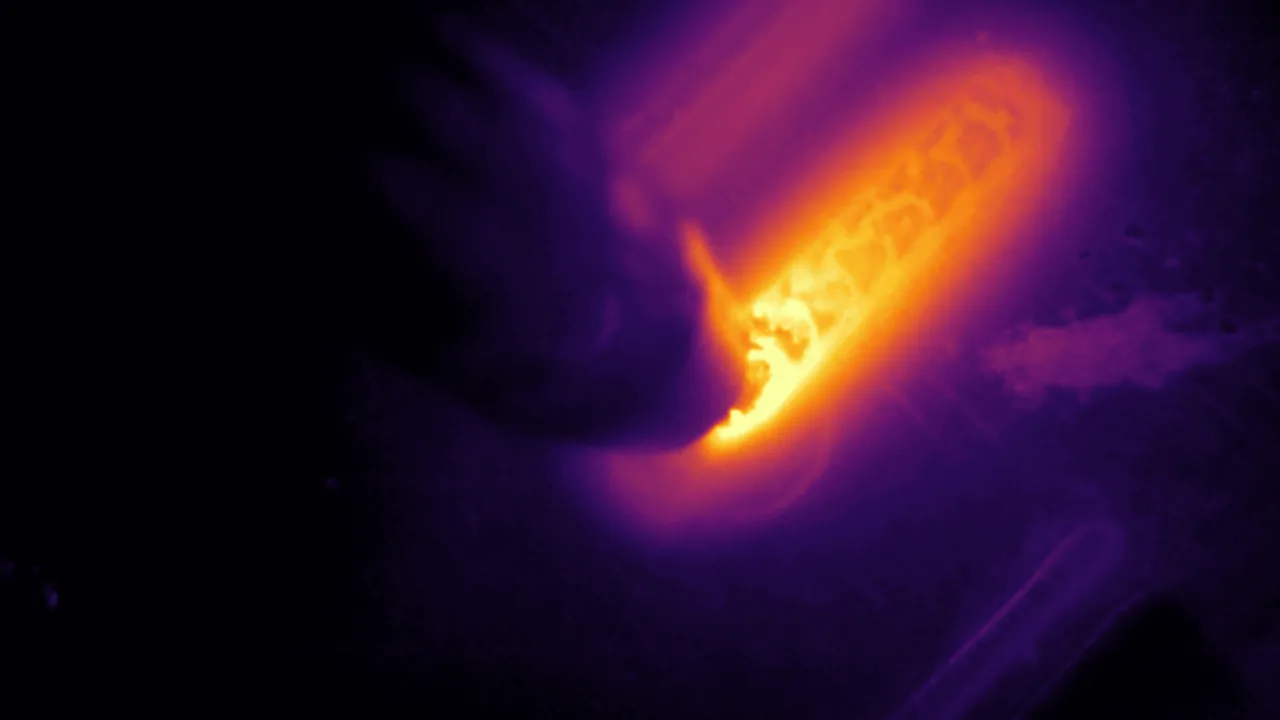
WeldTrace records the current, voltage, wire feed and gas the machine delivered, which gives heat input per pass. HeatCore AI adds the thermal record of the bead and its surroundings, including interpass behaviour. For structural programmes, see the structural steel welding application. The data supports the quality decision. It does not replace the examination, the toughness tests or the engineer’s approval that D1.5 requires.
Versione italiana
Per un ponte stradale in acciaio saldato secondo AWS D1.5, che cosa aggiunge il codice dei ponti al percorso delle strutture in acciaio, e quali registrazioni devono esistere per ogni saldatura? Chi lavora già con il codice di saldatura strutturale conosce quasi tutto il lessico: WPS, qualifica dei saldatori, esame visivo, saldature di testa e d’angolo. Il codice dei ponti non è una lingua diversa: è un insieme di regole più severe per strutture che portano carichi di traffico ripetuti per decenni, dove una cricca nata da una saldatura può mettere fuori servizio una campata.
Questa guida riguarda solo ciò che D1.5 aggiunge. Il percorso strutturale di base, con criteri di accettazione e controlli, è nella guida AWS D1.1 e nel riferimento AWS D1.1. Le tabelle dei codici non sono riprodotte: conferma ogni requisito sull’edizione citata dal contratto e dalla specifica del committente.
Perché i ponti hanno un codice proprio
D1.5 è pubblicato insieme dall’associazione delle autorità stradali statunitensi e dall’American Welding Society, e lo richiama la specifica del proprietario del ponte. Tre carichi spiegano le regole in più: la fatica (ogni veicolo è un ciclo di carico), la tenacità (il ponte lavora all’aperto anche d’inverno) e la ridondanza (alcuni elementi non hanno un percorso di carico alternativo).
Le cinque aggiunte
| Area | Cosa aggiunge il codice dei ponti | Record da conservare |
|---|---|---|
| Procedure | Molto più ricorso alla qualifica con prova; molte meno procedure utilizzabili senza prova | WPS con il record di qualifica, risultati e variabili essenziali coperte |
| Materiali d’apporto | Requisiti di tenacità e controllo più stretto dell’idrogeno diffusibile, con regole di conservazione ed esposizione | Certificati con risultati di resilienza, registri di forno ed esposizione |
| Controllo termico | Preriscaldo e interpass controllati, limiti di apporto termico dove conta la tenacità | Letture di preriscaldo e interpass e apporto termico per passata, legati al giunto |
| Controlli | Estensioni dei controlli volumetrici secondo la sollecitazione del giunto (trazione o compressione) e il tipo di elemento | Rapporto CND per giunto con metodo, estensione ed esito |
| Riparazioni | Regole più severe; le riparazioni critiche richiedono l’approvazione dell’ingegnere prima di saldare | Procedura di riparazione, approvazione e nuovo controllo |
Elementi critici per la frattura
L’aggiunta più grande è il piano di controllo della frattura per gli elementi non ridondanti, quelli il cui cedimento farebbe crollare la campata. Il progettista li indica sui disegni e da lì valgono requisiti più alti di tenacità, controllo più stretto dell’idrogeno, preriscaldo, interpass e apporto termico documentati su ogni passata, più controlli e riparazioni senza improvvisazione. In pratica una saldatura critica per la frattura richiede un record per passata, non una dichiarazione che la procedura è stata seguita. Il meccanismo delle cricche da idrogeno è nella guida sulla prevenzione delle cricche da idrogeno; la misura è nella guida su preriscaldo e interpass.
Il record per saldatura
L’ispettore del committente durante la costruzione e l’ingegnere che legge i record anni dopo chiedono la stessa cosa: per ogni giunto, WPS, saldatore, lotto del materiale d’apporto e storia termica ed elettrica. WeldTrace registra corrente, tensione, filo e gas erogati, da cui si ricava l’apporto termico per passata; HeatCore AI aggiunge il record termico del cordone e dell’interpass. Vedi anche l’applicazione strutture in acciaio. I dati sostengono la decisione qualità, ma non sostituiscono controlli, prove di resilienza e approvazione dell’ingegnere richiesti da D1.5.
Sources
- AWS D1.1 scope reference — Therness
- ISO 13916 preheat and interpass measurement scope reference — Therness
- AWS standards catalogue — American Welding Society
Keep a per-pass record on every fracture-critical weld / Un record per passata su ogni saldatura critica
Therness helps bridge fabricators record heat input, preheat and interpass on every joint, ready for the owner's inspector. / Therness aiuta i costruttori di ponti a registrare apporto termico, preriscaldo e interpass su ogni giunto, pronti per l'ispettore del committente.
Talk to an expert / Parla con un espertoTherness solution: Welding parameter monitoring — Current, voltage, wire feed and gas recorded per weld, as WPS/PQR and heat-input evidence.