English version
For a gas transmission or distribution line designed to ASME B31.8, which welding and inspection requirements come from B31.8 itself, and which from the welding standard it references? The question matters because the two documents are often treated as one. A pipeline spread will say “we weld to API 1104” and stop there. But API 1104 does not decide how many girth welds are examined, which pressure test the line sees or when a defective weld must be cut out rather than repaired. B31.8 does.
This guide covers the split between the design code and the welding standard. API 1104’s qualification tests and acceptance criteria are not repeated here: they are in the API 1104 pipeline welding acceptance criteria guide and the API 1104 scope reference. No table from either document is reproduced: confirm each requirement in the editions your project specification cites.
Two documents, two jobs
ASME B31.8, Gas Transmission and Distribution Piping Systems, is the design and construction code. It decides how the line is designed for its location, which materials and components may be used, how welds are inspected and how the finished line is tested. Its welding chapter sets the rules that apply to every weld in the system.
The welding standard it references sets how procedures and welders are qualified, how welds are examined and against which criteria they are accepted. For pipeline girth welds that is normally API 1104. B31.8 also accepts qualification to ASME Section IX, which is common for station piping and fabricated assemblies.
Who decides what
| Question | Decided by B31.8 | Decided by the referenced welding standard |
|---|---|---|
| Which qualification standard may be used | Yes: it names the acceptable routes | — |
| How a procedure or a welder is qualified | — | Yes: test welds, essential variables, test types |
| Whether a weld needs non-destructive examination, and what share of welds | Yes: by hoop stress level, location class and special locations such as crossings | — |
| Which NDT method and which acceptance criteria | It points to the referenced standard | Yes: method requirements and acceptance limits |
| What to do with an unacceptable weld | Yes: repair or removal rules for the system | Repair procedure qualification and re-examination |
| Pressure test after construction | Yes: test medium, pressure and duration by location class | — |
| Records to keep | Yes: what the operator retains for the life of the line | Qualification records and NDT reports |
The table is a map. The thresholds and percentages live in the cited edition and the project specification, which often asks for more than the code minimum.
Location class drives the inspection plan
B31.8 sorts the route by population density near the line, from remote areas to dense urban areas, in four location classes. The class sets the design factor and therefore the pipe stress. It also drives how much of the welding is examined: the higher the class and the stress, the larger the share of girth welds that needs volumetric examination, up to all of them at crossings and other special locations. Below a hoop-stress threshold, the code accepts visual examination by a qualified inspector.
For the welding team this has a direct consequence. The same spread, with the same procedure and welders, can move from a sampled examination plan to full examination at a road crossing. The joint record has to carry its location, not only its weld number.
Station piping is not line pipe
Compressor and regulator stations sit under B31.8 too, but they look more like plant piping: fittings, branches, small-bore connections, different processes. Station work is often qualified to ASME Section IX and examined to the project specification. Keep the two scopes separate in the weld map. A station weld examined to the line-pipe plan, or the reverse, is a finding in waiting.
For the plant-piping logic see the ASME B31.3 process piping guide and the ASME B31.1 power piping guide.
Make the record per girth weld
An operator keeps construction records for the life of the line. When an integrity assessment questions a weld years later, the useful record names the weld, its location class, the procedure, the welder, the examination and the parameters it was welded with.
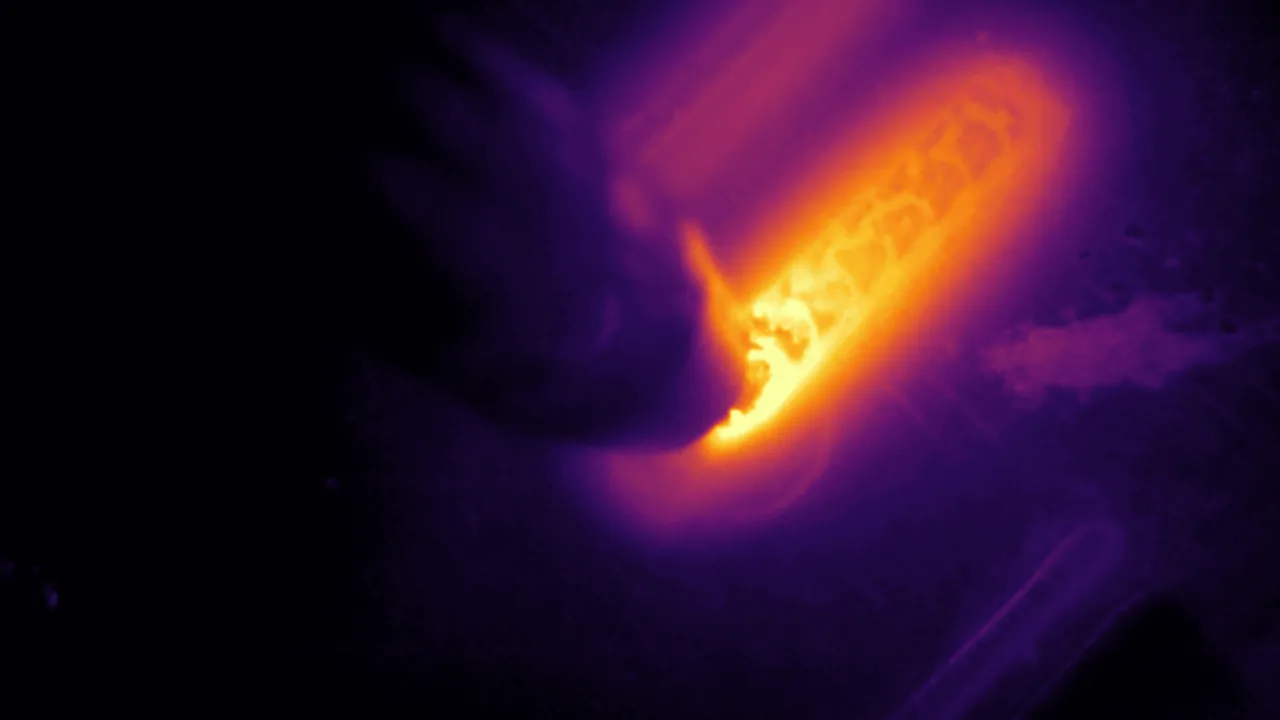
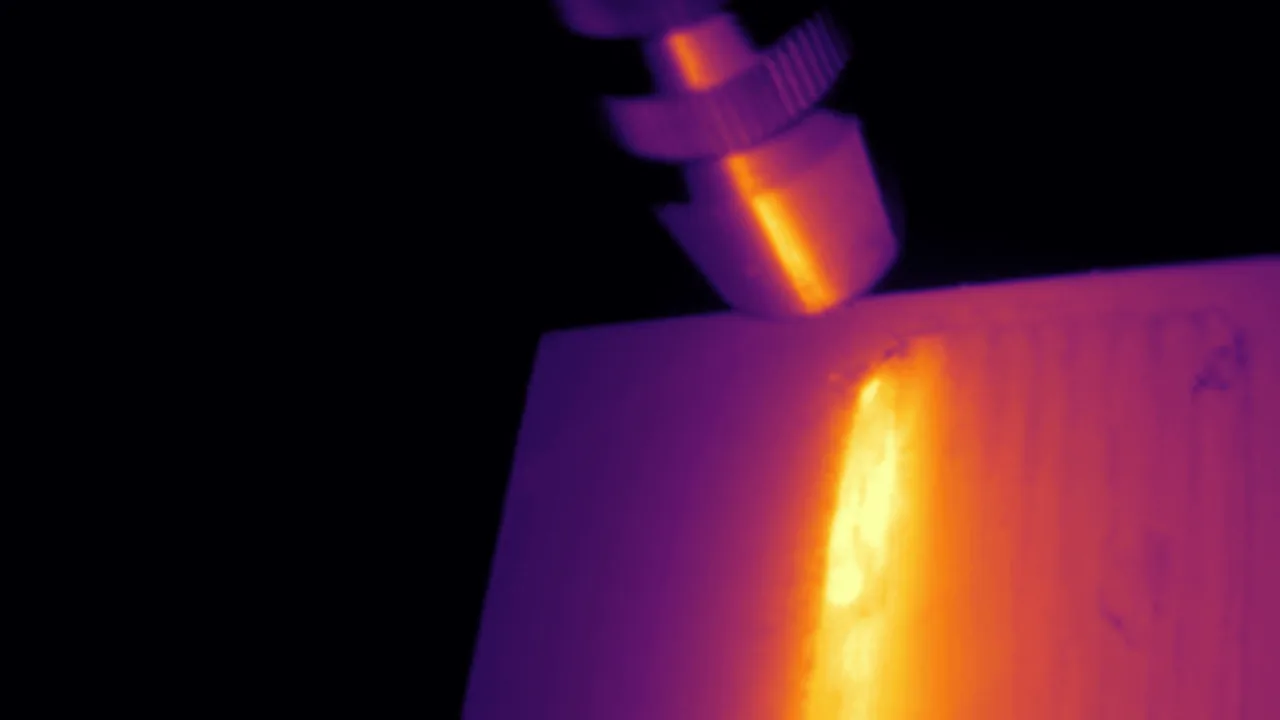
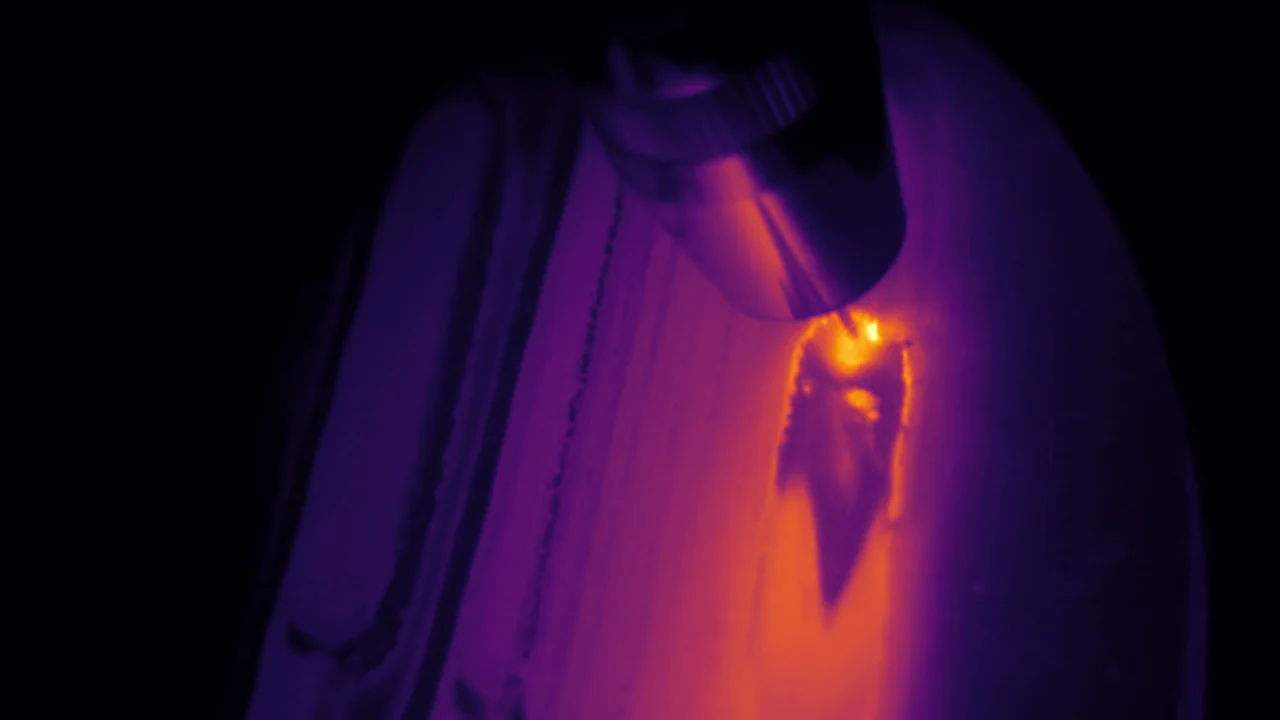
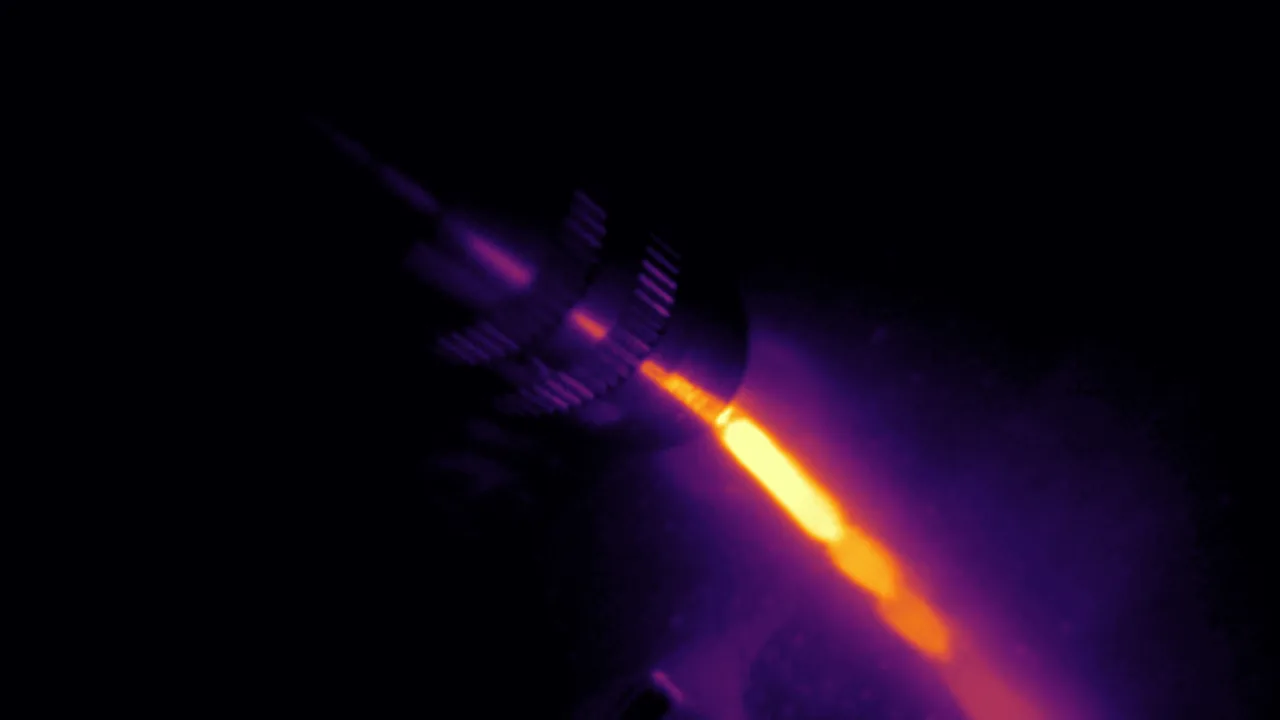
WeldTrace records the current, voltage, wire feed and gas the machine delivered on each pass, and HeatCore AI adds the thermal record of the bead. The inline thermal inspection guide for API 1104 pipelines shows how that works on a spread, and the pipeline welding application covers the use cases. The data supports the quality decision. It does not replace the NDT, the acceptance criteria or the pressure test.
Versione italiana
Per una linea di trasporto o distribuzione del gas progettata secondo ASME B31.8, quali requisiti di saldatura e controllo vengono da B31.8 e quali dalla norma di saldatura che richiama? La domanda conta perché i due documenti vengono spesso trattati come uno solo. Un cantiere dice «saldiamo secondo API 1104» e si ferma lì. Ma API 1104 non decide quante saldature circonferenziali si controllano, quale prova a pressione subisce la linea, né quando una saldatura difettosa va tagliata invece che riparata: lo decide B31.8.
Questa guida riguarda la divisione fra codice di progetto e norma di saldatura. Prove di qualifica e criteri di accettazione di API 1104 sono nella guida ai criteri di accettazione API 1104 e nel riferimento API 1104. Le tabelle non sono riprodotte: conferma ogni requisito sulle edizioni citate dalla specifica di progetto.
Chi decide cosa
| Domanda | Decide B31.8 | Decide la norma di saldatura richiamata |
|---|---|---|
| Quale norma di qualifica si può usare | Sì: indica i percorsi ammessi | — |
| Come si qualificano procedure e saldatori | — | Sì: saggi, variabili essenziali, tipi di prova |
| Se una saldatura va controllata e in che quota | Sì: secondo sollecitazione circonferenziale, classe di località e attraversamenti | — |
| Metodo CND e criteri di accettazione | Rimanda alla norma richiamata | Sì: requisiti di metodo e limiti di accettazione |
| Cosa fare con una saldatura non accettabile | Sì: regole di riparazione o rimozione | Qualifica della procedura di riparazione e nuovo controllo |
| Prova a pressione finale | Sì: fluido, pressione e durata per classe di località | — |
B31.8 accetta anche la qualifica secondo ASME Section IX, frequente per le tubazioni di stazione.
La classe di località guida il piano dei controlli
B31.8 divide il tracciato in quattro classi di località secondo la densità abitativa vicino alla linea. La classe fissa il fattore di progetto e quindi la sollecitazione del tubo, e guida la quota di saldature da controllare: più alte classe e sollecitazione, più saldature con controllo volumetrico, fino a tutte negli attraversamenti. Sotto una soglia di sollecitazione il codice accetta l’esame visivo di un ispettore qualificato. Per questo il record del giunto deve portare la sua posizione, non solo il numero. Le stazioni di compressione e regolazione assomigliano alle tubazioni d’impianto: tienile separate nella mappa saldature (vedi la guida ASME B31.3).
Il record per saldatura circonferenziale
Il gestore conserva i record di costruzione per tutta la vita della linea. WeldTrace registra corrente, tensione, filo e gas erogati su ogni passata; HeatCore AI aggiunge il record termico del cordone. Vedi la guida all’ispezione termica in linea API 1104 e l’applicazione pipeline. I dati sostengono la decisione qualità, ma non sostituiscono CND, criteri di accettazione e prova a pressione.
Sources
- API 1104 scope reference — Therness
- ASME B31.3 scope reference — Therness
- ASME codes and standards catalogue — ASME
Carry location, procedure and process data on every girth weld / Posizione, procedura e dati di processo su ogni giunto
Therness helps pipeline contractors keep a per-weld record that matches the B31.8 inspection plan and survives the life of the line. / Therness aiuta le imprese di pipeline a tenere un record per giunto coerente con il piano di controllo B31.8, valido per tutta la vita della linea.
Talk to an expert / Parla con un espertoTherness solution: Welding monitoring system — Every weld inspected in the cycle, with defect flags and the ISO 3834 / ISO 17635 evidence kept per weld.