The Cost of Poor Quality (COPQ) in Welding
According to the American Society for Quality (ASQ), the Cost of Poor Quality (COPQ) often ranges from 15% to 40% of business revenue for manufacturers who lack robust quality controls. In welding, this manifests not just as scrap, but as:
- Direct Rework: Grinding out and re-welding joints (often 5x the cost of the original weld).
- Downstream Bottlenecks: A stalled paint line or assembly cell waiting for weld repairs.
- Liability & Warranty: The catastrophic cost of field failures.
Industry Benchmarks for Defect Rates
While “zero defects” is the goal, typical manual welding operations often hover between 1% and 5% repair rates depending on complexity. Automated/Robotic cells should aim for < 0.5%.
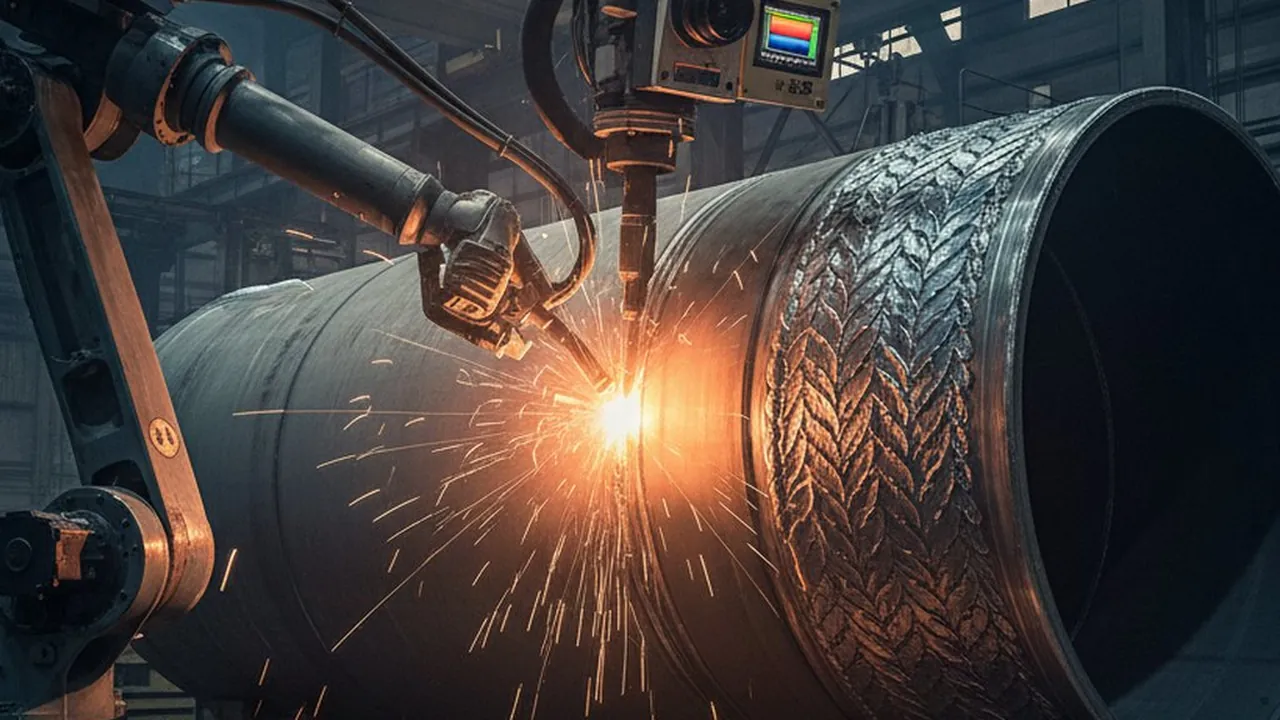
If your defect rate is > 3% on a robotic line, you likely have a systemic process stability issue (fit-up, contacts, or parameters)—exactly where real-time monitoring provides the fastest payback. You can watch what that in-process detection looks like in our AI monitoring live welding analysis. For a detailed look at how defect costs compound across different industries—including automotive, pressure equipment, and oil & gas—read our guide: Weld Defect Cost: How Real-Time Monitoring Reduces Scrap, Rework, and Liability.
How the ROI Calculator Works (Scrap, Rework, Downtime, Throughput)
The model estimates monthly baseline cost from rework, downtime, and scrap. It then applies an expected defect‑rate reduction enabled by real‑time monitoring to compute annual savings and simple payback. You can optionally include the annual solution cost for a direct months‑to‑payback estimate. The reduction it assumes comes from the real-time monitoring system behind these savings catching parameter drift before it turns into scrap.
For production lines with throughput constraints, also consider the secondary gains from fewer stops and faster recovery after parameter drift. While harder to quantify, these often move the business case from “good” to “compelling.”
Inputs You Need: Defect Rate, Cost per Joint, Hourly Rates, Line Speed
- Monthly joints and current defect rate
- Average rework cost per defective joint
- Downtime cost per hour and hours per defect (if applicable)
- Scrap cost per defect (optional)
- Expected defect reduction from monitoring
- Solution cost for simple payback (optional)
Welding Quality ROI Calculator
results
Sample Scenarios: Fabrication, Pipelines, Automotive Cells
Use the calculator with representative volumes and costs. Fabricators often see savings driven by fewer NCRs and faster rework loops; pipeline projects care about schedule risk and remobilization; automotive cells benefit from reduced stops and more stable cycle times.
Interpreting Results and Sensitivity Analysis
Run sensitivity with ±10–20% around defect rate and costs to bracket outcomes and identify the dominant drivers. For example, if your defect rate drops by only 50% instead of 80%, is the project still viable? (Usually, yes—because the downtime savings often outweigh the material savings).
Partner with finance to align on assumptions and include intangible benefits (fewer urgent expedites, better audit readiness). See our Weld Monitoring RFP Template to help structure your internal proposal.
Implementation Checklist to Realize the Savings
- Calibrate sensors and validate alarms with short trials
- Integrate logs and acceptance status with QMS
- Train operators; define response to alarms
- Measure baseline vs post-implementation KPIs
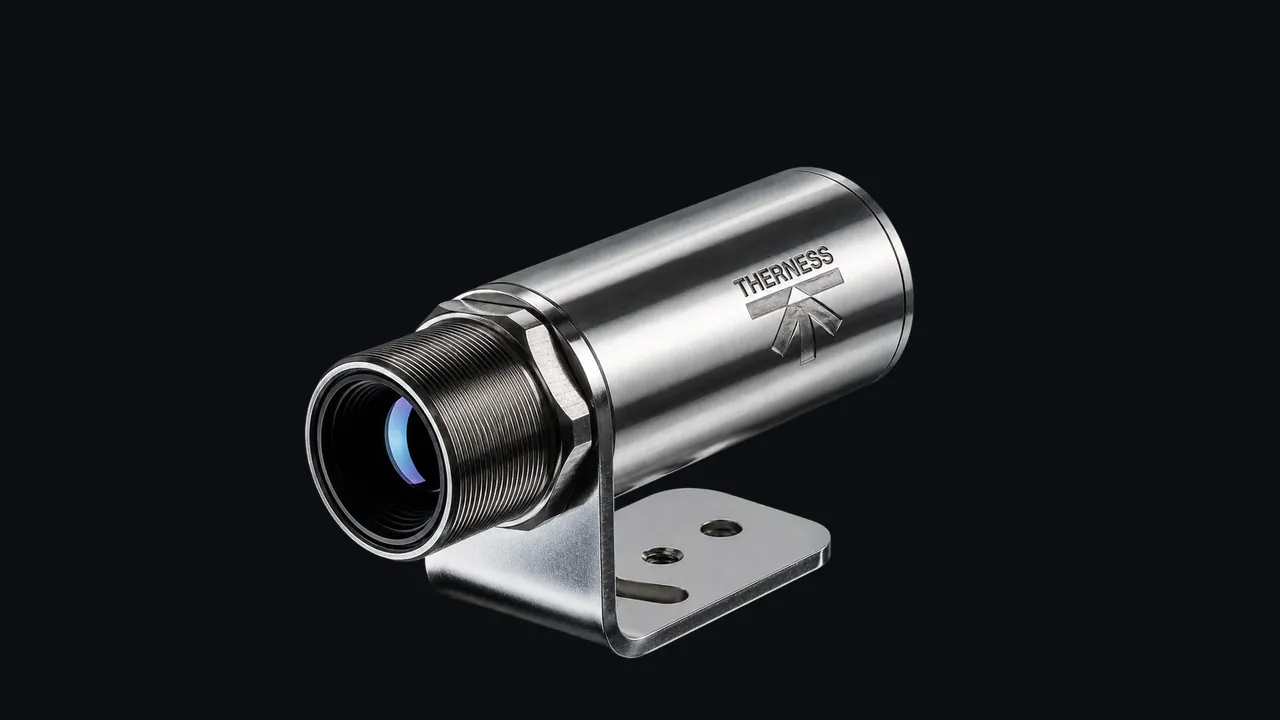
Once the numbers stack up, match them to a sensing tier across the HeatCore product range to fit your process and budget.
Turn your payback number into a rollout plan
See how real-time weld monitoring delivers the defect-rate reduction behind these savings — walked through against your line's actual volumes and costs.
Book a demo See the monitoring system behind the savingsTherness solution: Welding monitoring system — Every weld inspected in the cycle, with defect flags and the ISO 3834 / ISO 17635 evidence kept per weld.
Related Video