Why Weld Quality Monitoring Is So Painful Today
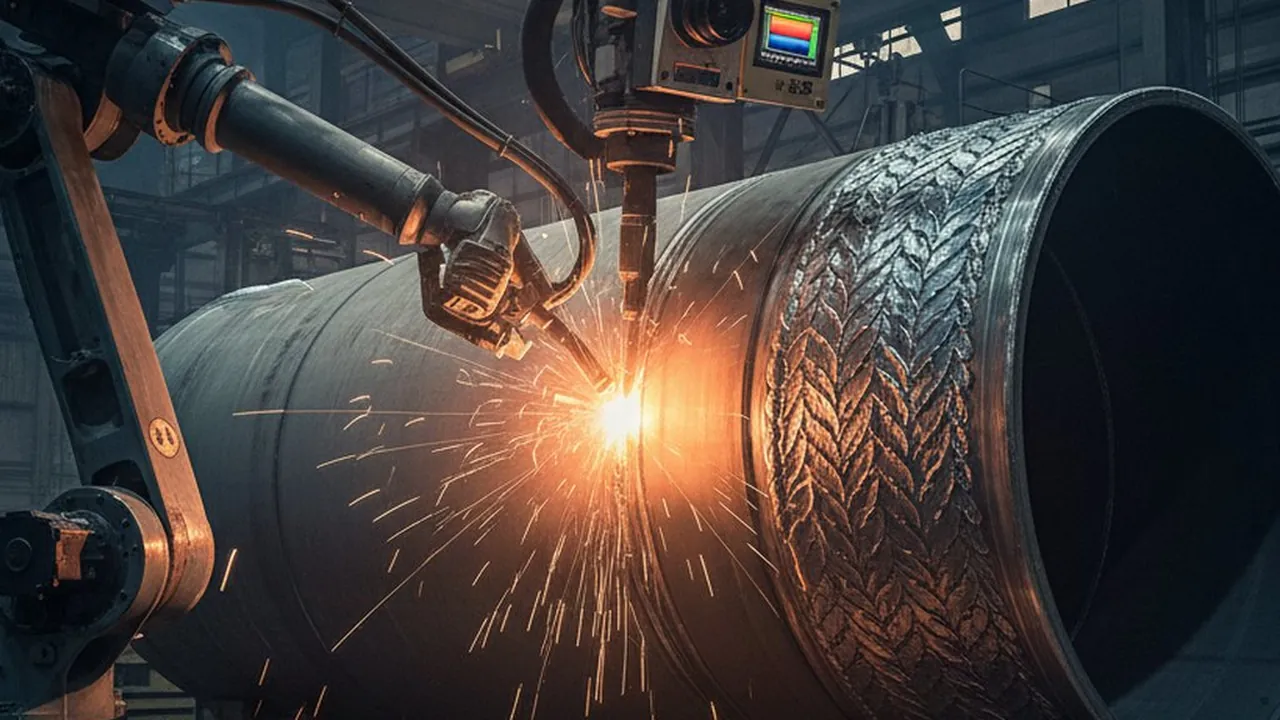
Most shops rely on visual checks and sample-based RT/UT. Coverage is partial, defects like porosity and lack of fusion show up late, and rework interrupts flow. Underneath are hidden costs: delayed shipments, spare parts, warranties, and auditor findings when records are thin. Using an AI weld monitoring camera can solve this by providing real-time oversight.
- Rework minutes per station and defect type
- NDT queue time and % of lots held for investigation
- Scrap booked after assembly vs. at the weld cell
- Customer returns tied to specific weld symbols or WPS
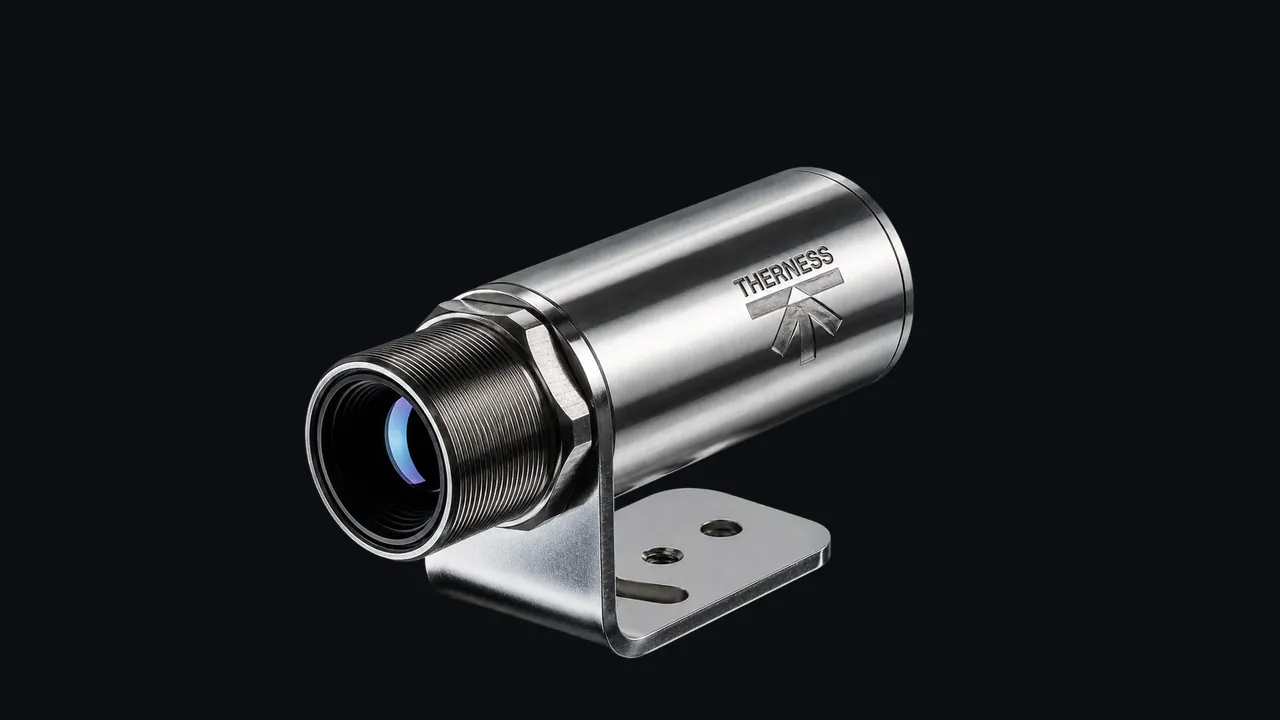
Real-time monitoring shortens the loop: you see instability as it happens, align alarms to cooling-rate limits (t8/5), and keep clean ISO 17635 evidence for audits alongside ISO 3834 / EN 1090 traceability. For automated cells, extend this with ISO 14732 operator qualification traceability so each weld record proves both process behavior and personnel authorization. Therness HeatCore AI automates this entire quality chain.
Classic Weld Quality Methods (And Their Limits)
Coverage, speed, and cost trade-offs of common weld inspection methods:
| method | coverage | cycle impact | skill & equipment | when it fails |
|---|---|---|---|---|
| visual | surface only | low | moderate | missed subsurface defects; subjectivity |
| radiographic (RT) | volumetric | medium/high | high | radiation controls; delayed results |
| ultrasonic (UT) | volumetric | medium | high | coupling/geometry issues; coverage gaps on complex shapes |
| dye penetrant / magnetic | surface | medium | moderate | messy prep/clean; not inline |
These methods stay critical for conformance and are detailed in ISO 17635 (Non-destructive testing of welds). Real-time monitoring adds early detection—giving operators actionable signals before the part leaves the cell.
What “Real-Time Weld Monitoring” Actually Means
Monitoring during the weld captures signatures that disappear once the bead cools. Typical sensors:
- Thermal / infrared: heat flow, bead cooling, t8/5 estimation (thermography guide).
- Vision / laser: bead geometry, arc position, spatter and plume.
- Electrical: current, voltage, wire feed—great for arc stability.
- Acoustic: transient stress events hinting at subsurface cracks.
Real-time means processing in tens of milliseconds: fast enough to stop travel, flag for rework, or adjust parameters. The right mix depends on geometry, takt time, and whether you care more about heat input, bead shape, or subsurface risk. For a walkthrough of how these sensors come together on a cell, watch the Therness system overview.

Inspection coverage vs. speed and automation friendliness (illustrative)
From Sensors to Decisions: Data, Thresholds, AI
Raw signals become decisions through feature extraction and rules or models. Simple thresholds catch known limits (heat input, bead width), while AI models learn signatures of spatter bursts, lack of fusion, or cooling-rate excursions.
For most lines, start with well-engineered features and guardrails, then add ML to reduce false positives. Tie alerts to the business case so operators understand which alarms matter.
Pipeline from sensors to weld-quality decisions
How to Choose a Monitoring Approach for Your Shop
Use the process risks to pick a starting point:
- High-mix / short runs: favor quick-to-mount sensors (thermal or electrical) with rules-based limits; add AI later.
- High-volume / repetitive: combine vision or laser with electrical signals for cycle-by-cycle comparisons.
- Safety-critical: choose thermography to watch heat input and cooling, backed by UT/RT sampling.
- Cosmetics / bead geometry: vision or laser profilometry shines.
Where possible, reuse fixtures and add air knives or shields so sensors stay clean. You can browse the Therness product range to match a sensor package to each of these cases. Keep inline monitoring in sync with digital weld records to avoid audit rework.
Roadmap: 5 Practical Steps to Start
- Pick 1–2 critical welds. Start where defects hurt the most or where customers demand evidence.
- Instrument a pilot. Add one sensor and log data in shadow mode for a week, structuring each record as traceable thermal evidence.
- Label from existing NDT. Use RT/UT/visual results as your first ground truth.
- Set thresholds and alerts. Tune for low false positives; test procedures with operators.
- Scale to one cell. Roll into SOPs, then extend to similar parts or stations. As you scale, integrate sensor data with your MES and data historian for full production traceability.
Pilot-to-scale path for real-time weld monitoring
By the time you scale, you should already have clean SOPs, response playbooks, and links to QMS/CAPA so findings flow into actions. That keeps monitoring from becoming another dashboard nobody trusts.
From sample-based NDT to real-time weld quality control
Book a demo to see live weld monitoring flag instability as it happens—and keep audit-ready records without disrupting production.
Book a demo See the in-process weld monitoring systemTherness solution: Welding monitoring system — Every weld inspected in the cycle, with defect flags and the ISO 3834 / ISO 17635 evidence kept per weld.