Why most weld monitoring projects stall in purchasing
The scenario is classic: the engineering team identifies a need for real-time monitoring to reduce scrap. They demo a few tools. Then, they toss a vague request to Purchasing: “We need a weld monitor.”
Purchasing asks for three quotes. Vendor A quotes a basic voltage logger (€5k). Vendor B quotes a high-end thermal AI system (€50k). Vendor C quotes a camera that just records video. The spread is confusing, the project looks risky, and it dies.
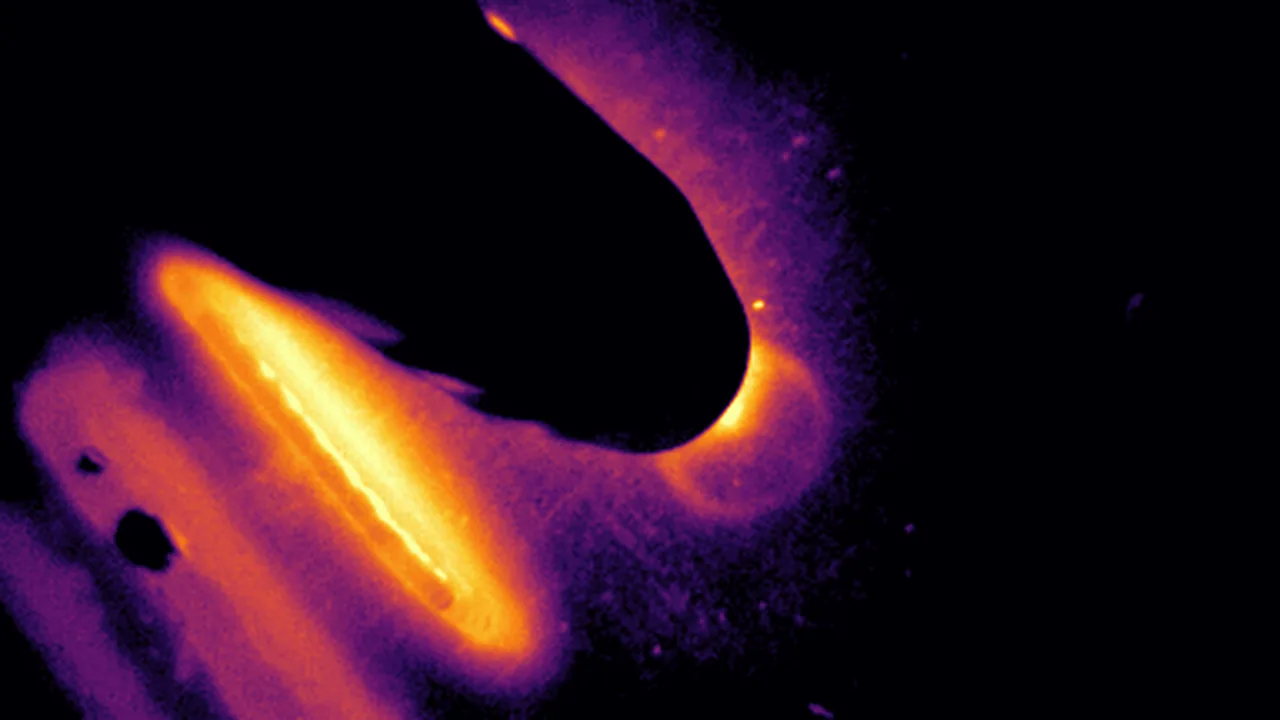
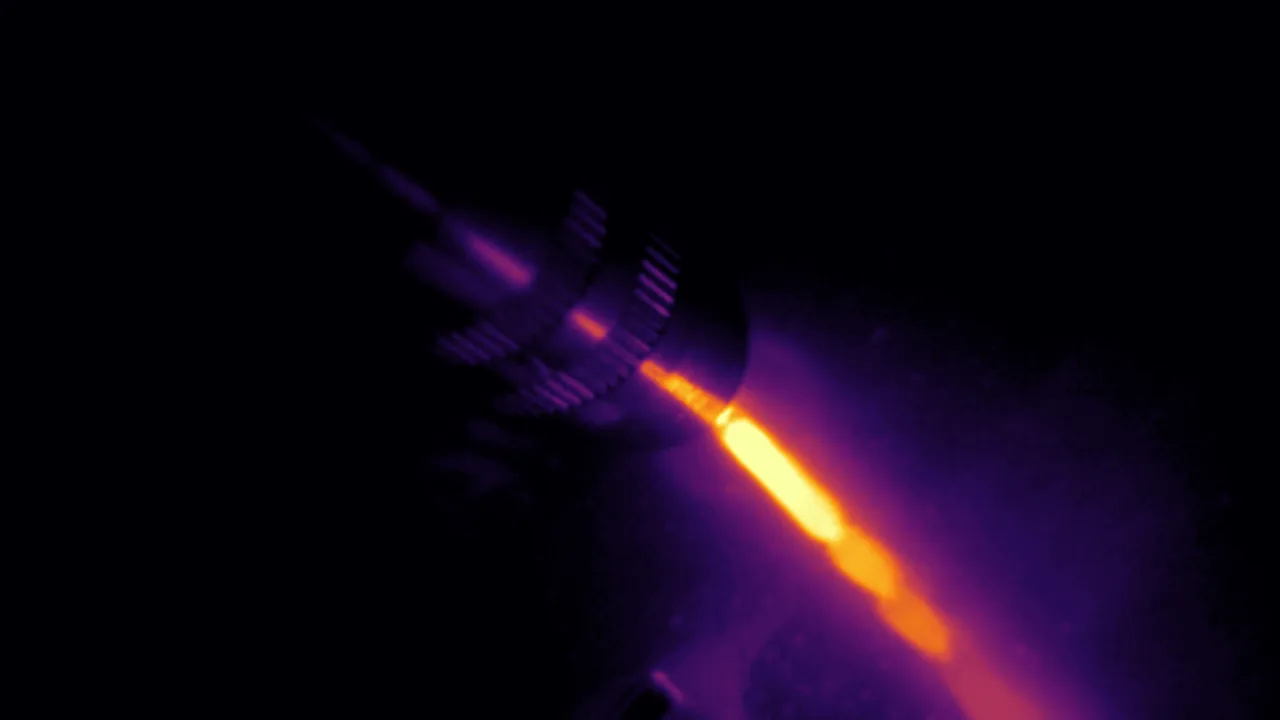
The fix is a clear specification (Spec) or Request for Proposal (RFP) that defines exactly what “monitoring” means for your process. This approach aligns with best practices from AWS D1.1 (Structural Welding Code) and ensures you aren’t comparing apples to oranges. If it helps to anchor the discussion, watch a full system overview of what inline monitoring delivers.
Key decisions before you write the RFP
Don’t start writing requirements until you answer these four questions:
- Process scope: are we monitoring MIG/MAG, TIG, Laser, or Spot? (Each requires different sensors.)
- Actionable output: do we just want to record data for traceability, or do we want to stop the robot instantly if a defect occurs?
- Integration depth: does this need to talk to our MES/PLC? (e.g., “If weld fails, lock the pallet”.)
- Standards context: are we trying to satisfy a specific clause in ISO 3834 (Quality requirements for fusion welding) or an automotive customer spec?
Functional requirements checklist
When specifying the system, use “SHALL” statements to define must-haves:
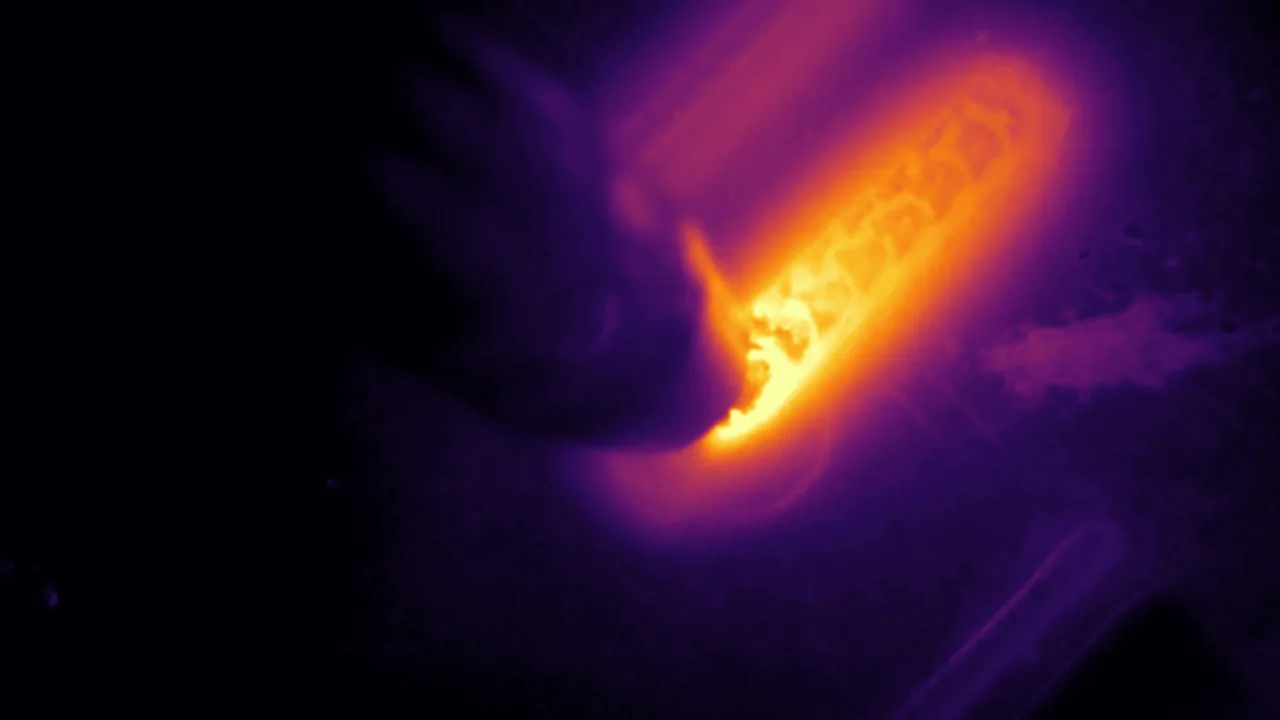
- Sensors: “System shall utilize non-contact thermal imaging to capture melt pool dynamics.”
- Defect detection: “System shall automatically detect porosity and lack of fusion anomalies with >95% accuracy.”
- Latency: “System shall process data and output a Go/No-Go signal within 500ms of weld completion.”
- Data storage: “System shall store raw data for 30 days and summary results for 10 years.”
See the implementation guide for more technical details. If you are looking for a turnkey solution that meets these specs, see our inline weld monitoring system — for example Therness HeatCore AI — or browse the full monitoring product range to map sensor tiers to your requirements.
IT & cybersecurity considerations
Modern monitoring is often an IoT play. IT will block it if you don’t specify:
- OS: “Vendor PC must run Windows 10/11 IoT Enterprise or Linux.”
- Network: “Device shall not require open inbound ports from the internet.”
- User access: “System shall support tiered login (Operator, Engineer, Admin).”
RFP template (copy/paste)
Feel free to copy this structure into your Word document:
Want a more detailed version?
Download Full Editable Template (Word)
Need help defining your specs?
We can help you review your requirements and match them to the right sensor technology.
Contact Engineering
Therness solution: Welding monitoring system — Every weld inspected in the cycle, with defect flags and the ISO 3834 / ISO 17635 evidence kept per weld.