Root concavity (ISO 6520-1 reference 515) is what an open or thin root pass leaves behind when the molten pool sags and draws inward before it freezes: a groove on the underside of the joint instead of a filled, convex root bead. It looks related to lack of penetration because both sit at the root, but the mechanism differs — the weld reaches full depth and then loses its shape, rather than never reaching it.
This article covers what drives root concavity, why backing gas is the leading control, and what a process record can show before final inspection. It does not set acceptance limits or replace the inspection method a contract requires.
Key takeaways
- Root concavity is a shape defect: the root pass reached full penetration, then sagged as it solidified.
- Backing gas purge — flow and hold time — is the single most common cause when it is inadequate or absent.
- Where the root side is accessible, visual inspection with a root gauge settles it directly; where it is not, as on most pipeline girth welds, radiography carries that weight.
- A process record can confirm purge and root-pass parameters stayed in the qualified window; it does not replace either inspection method.
- Pipeline, structural and general fabrication codes each set their own acceptance criterion — they are not interchangeable.
What drives the sag
The defects reference entry for root concavity sets out the cause matrix in full. All three causes reduce to the same physical problem: not enough support while the root pool is liquid.
- Backing gas purge inadequate or absent on the root pass. With nothing supporting the molten pool from the far side of an open root, it sags and draws inward as it solidifies.
- Root gap or land wider than the procedure allows. An oversized gap leaves less parent metal to support the root pool, so it draws inward as it freezes.
- Excessive heat or travel too slow on the root pass. A pool held molten longer than the joint needs has more time to sag before it solidifies.
Confirming purge gas flow and hold time against the qualified procedure before striking the arc — not by feel — removes the largest single cause.
[Assumption / ipotesi] The relative weight of purge, fit-up and heat input depends on the joint configuration and process. Confirm the dominant cause on the target WPS before writing a corrective action.
What a process record can show
Root concavity is a physical condition of the finished root pass, and the defects reference entry treats both visual inspection and radiography as primary detection routes depending on access — not as something a process record substitutes for. What a continuous record can add is confirmation that the controls which prevent the sag were actually in range:
- Purge gas flow and hold time, logged against the qualified procedure before and during the root pass, rather than confirmed by feel.
- Root-pass current and travel speed, logged against the window qualified for that thickness — not the parameters used for the cap passes that follow.
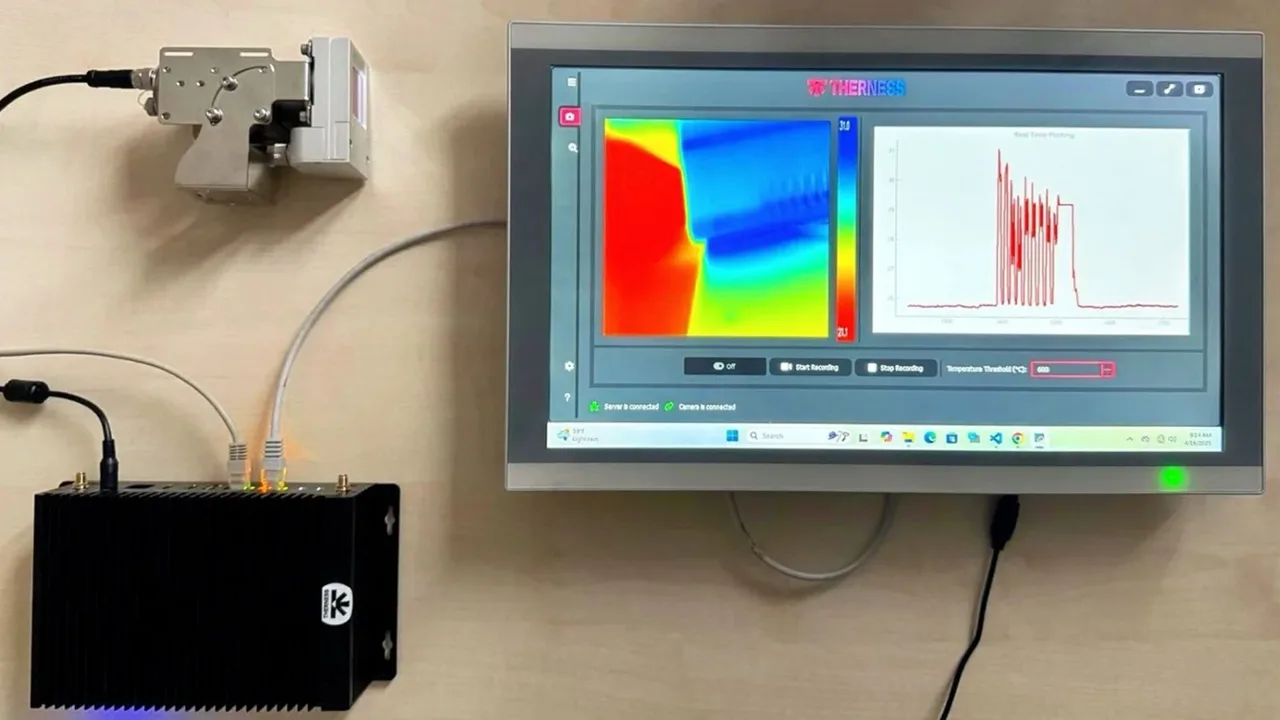
- Root-pass thermal footprint. A root pool held hot longer than the qualified window shows in the cooling signature before the concavity is confirmed by inspection — a supporting signal, in the same role high-speed pool imaging plays in showing the pool sagging while the pass is being made.
The welding monitoring system overview and WeldTrace describe how process parameters and thermal evidence are combined into a per-weld record; HeatCore AI is the analysis layer.
[Assumption / ipotesi] Whether a delayed root-pass cooling signature reliably predicts concavity on a given joint and process needs pilot validation before it is trusted as an early-warning signal.
Detection depends on access
Where the back of the joint is reachable, visual inspection with a root gauge settles it directly — the same route used for incompletely filled groove on the cap side. Where it is not, as on most pipeline girth welds performed with open-root technique, radiographic testing carries the weight visual inspection holds everywhere else, reading the thinned root profile directly.
Where acceptance is set
Acceptance depends on the governing code, and the three most relevant regimes are not interchangeable: ISO 5817 grades root concavity against a criterion distinct from lack of penetration, even though both sit at the root; API 1104 sets its own acceptance for pipeline girth welds, where open-root technique makes this finding common; and AWS D1.1 sets structural acceptance with separate criteria depending on whether the work is statically or cyclically loaded. This article does not reproduce any of those limits; check the current edition and the applicable clause for the contract in question. Related root-side findings are covered in the lack of penetration reference and the pipeline-specific API 1104 guide.
Building the evidence pack
A defensible record for a joint at risk of root concavity links the qualified purge and root-pass parameters, the per-pass confirmation that they were met, the thermal record where available, and the final inspection result — visual or radiographic depending on access — against the governing code. The every-weld coverage guide explains how to reconcile monitoring records against the full population of welds so a gap is caught rather than assumed clean.
Sources
- Therness root concavity reference (ISO 6520-1, code 515) — cause matrix, detection methods and acceptance pointers.
- Therness lack of penetration reference (ISO 6520-1, code 402) — related root-side imperfection.
- API 1104 pipeline welding acceptance criteria — pipeline-specific acceptance context.
- Welding defects: types, causes and ISO 5817 acceptance criteria — overview of the full imperfection family this defect belongs to.
- Therness welding monitoring system — system workflow and sensing context.
- Therness WeldTrace — process-recording and traceability context.
- ISO 6520-1 — classification of geometric imperfections in fusion-welded metallic materials; verify the applicable edition. ISO 5817, API 1104 and AWS D1.1 each set their own acceptance regime; check applicability and the current edition.
Confirm root-pass purge and heat input before the cap goes on
Therness can help define which purge, current and thermal parameters to log on the root pass, so a sagging root is flagged before final inspection.
Discuss your processTherness solution: Welding monitoring system — Every weld inspected in the cycle, with defect flags and the ISO 3834 / ISO 17635 evidence kept per weld.