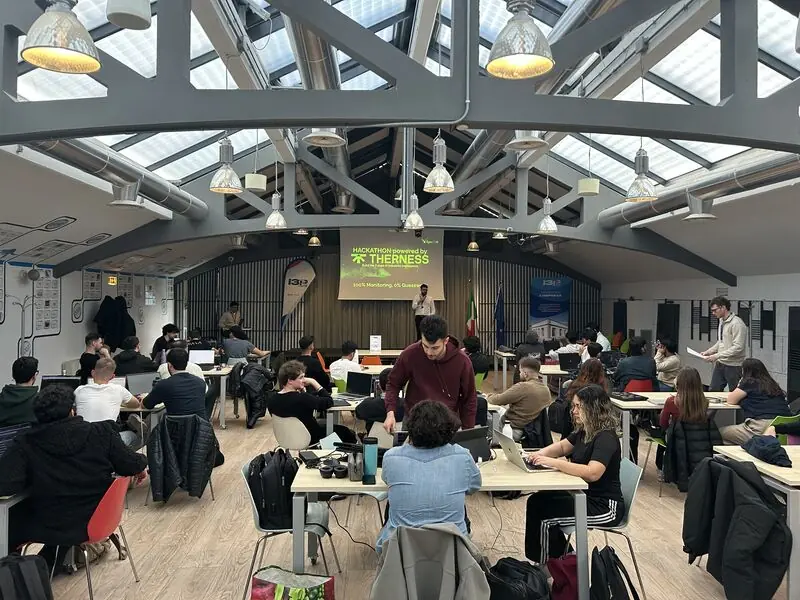
On February 27–28, 2026, over 50 software engineers, data scientists, and AI enthusiasts gathered at I3P — the Incubator of Politecnico di Torino — for 24 hours of non-stop coding, welding data analysis, and AI model building. This is the story of the first Therness Innovation Hackathon.

The Challenge
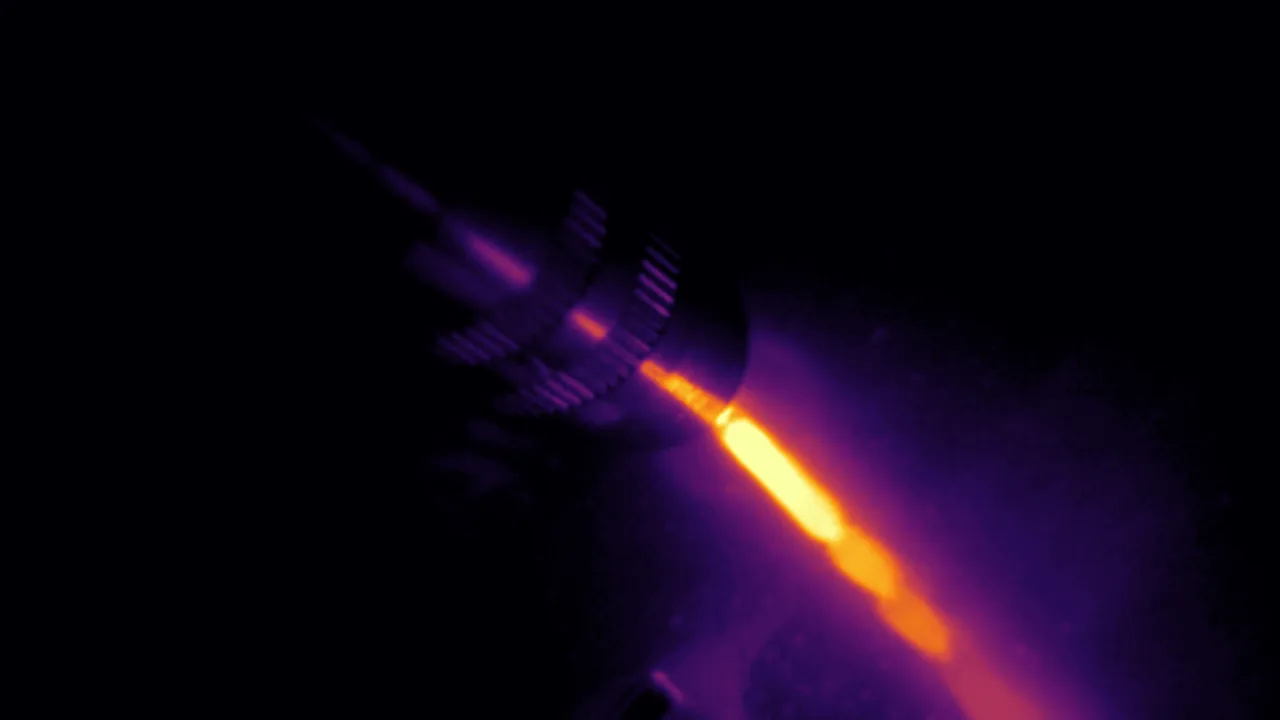
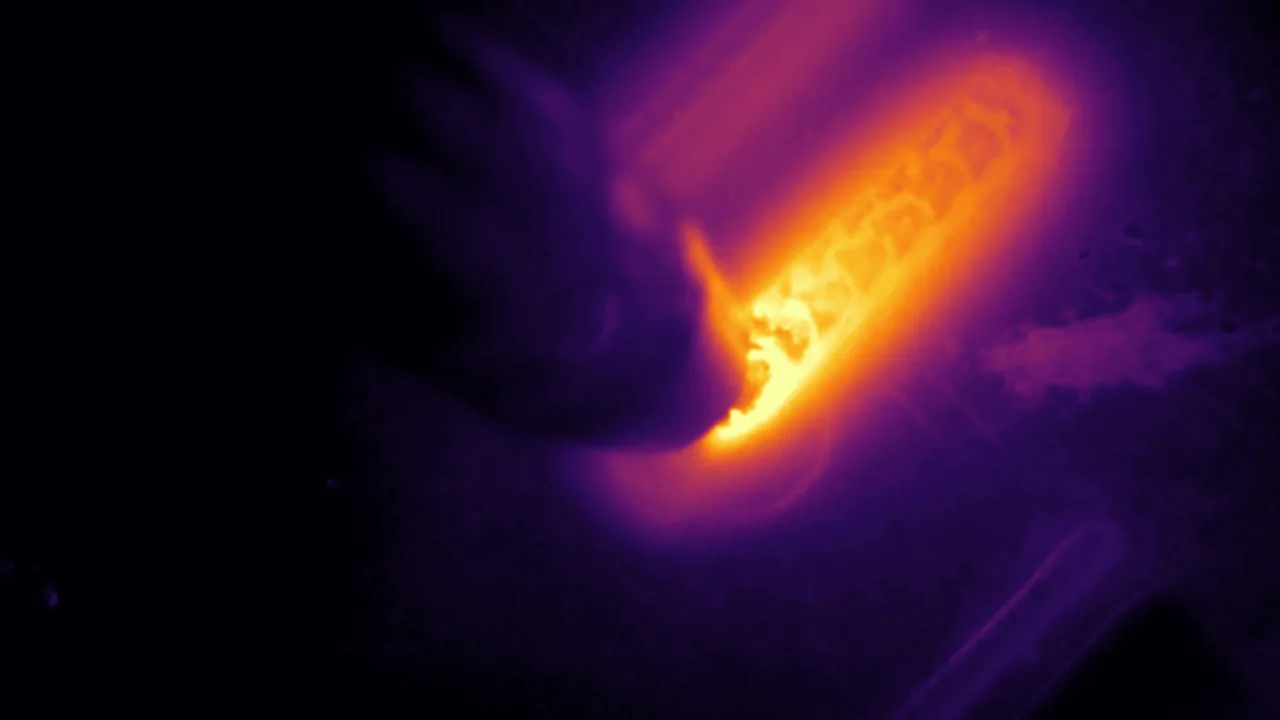
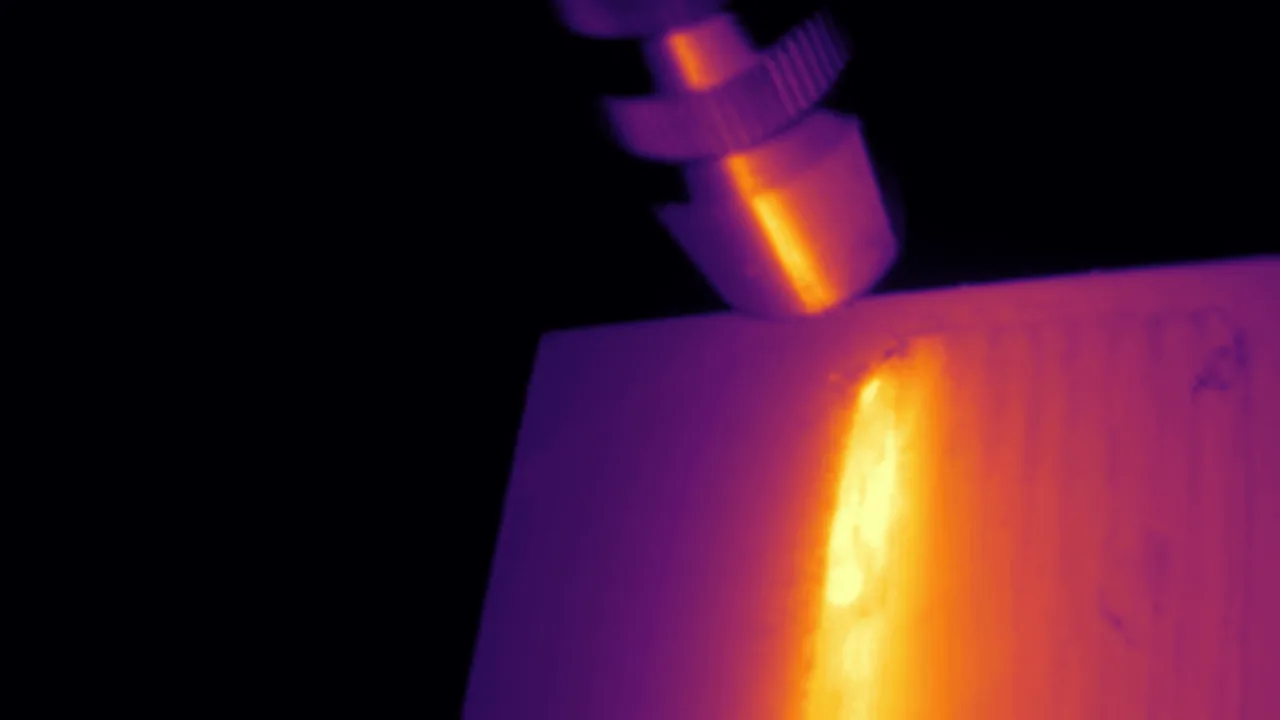
The mission was clear: build an AI system capable of classifying weld defects from real industrial data — including thermal videos, sound recordings, and process parameters. No synthetic datasets. No toy problems. Real data, from real welding processes. The same multimodal streams feed the Therness product range on production lines every day.
Each team received the same dataset and had 24 hours to:
- Analyze the multimodal data (thermal imaging, audio, process signals)
- Build a defect classification model
- Create a dashboard with visualization and controls
- Present their approach in a final pitch to the Therness technical team

24 Hours of Code
The hackathon started on Friday afternoon. By midnight, the venue was still buzzing.
At 2:06 AM, teams were deep in feature extraction, model tuning, and dashboard prototyping. The I3P space — with its industrial vaulted ceilings and warm lighting — turned into a proper war room.


By the last hour, the leaderboard was live. Ten teams had submitted working models, and the accuracy numbers were impressive.

The Pitches
Saturday afternoon, each team took the stage to present their methodology, technical choices, and live demos. The quality was outstanding — from cluster analysis visualizations to spectrograms of welding audio signals, the approaches were diverse and creative.


The Winners
After careful evaluation by the Therness technical team, the results were in:
🥇 First Place — Team Helix
€1,500 prize — Team Helix achieved approximately 95% accuracy on defect type classification and built an incredible, fully functional dashboard. Their approach combined multimodal feature engineering with a clean, well-structured codebase.
🥈 Second Place — Team Pelennor
€500 prize — Team Pelennor reached 90% classification accuracy and delivered a gorgeous dashboard with automatic reporting capabilities. Their emphasis on explainability and result export set them apart.


Congratulations to both teams — and to every participant who spent 24 hours pushing the boundaries of what AI can do in industrial monitoring.
What We Learned
This hackathon confirmed what we already suspected: the intersection of AI, data science, and industrial manufacturing is where the most exciting opportunities live. In just 24 hours, teams with no prior welding domain knowledge built classification systems that rival months of traditional development.
Key takeaways:
- Multimodal data matters. The best teams didn’t rely on a single data source — they fused thermal, audio, and process parameters.
- Dashboards aren’t optional. In industrial AI, interpretability and real-time visualization are as important as raw accuracy.
- Talent is everywhere. Participants came from across Italy, with backgrounds ranging from pure data science to mechanical engineering.
Thank You
A huge thank you to:
- I3P — the Incubator of Politecnico di Torino — for hosting us in their incredible Sala Agorà
- All 50+ participants who gave it everything for 24 hours straight
- The Therness team who designed the challenge and mentored throughout the night
- Politecnico di Torino for the continued partnership that makes initiatives like this possible
This was just the beginning. The Therness Hackathon proved that real industrial data, combined with the energy of the next generation of engineers, can produce remarkable results in record time.
See you at the next one.
Follow us on LinkedIn to stay updated on future events and opportunities.
See the weld-monitoring AI behind the challenge
The hackathon dataset came straight from Therness thermal, acoustic, and process monitoring. Book a demo to see the production system running on a real welding line.
Book a demo Explore our AI weld monitoring system