English version
API 650 and API 620 both cover large, welded, field-erected storage tanks, but they are not alternatives you pick by preference. The design conditions decide: how much pressure the vapour space above the liquid must hold, how hot or cold the shell metal gets, and what the tank stores. Get that boundary wrong and the shell, roof junction, examination extent and test plan are all designed to the wrong rules.
This guide covers the choice between the two construction standards for a new tank. It does not reproduce either standard’s design tables. Use it to frame the decision, then confirm every limit in the edition and addenda your purchase specification cites.
Three questions decide the code
Ask them in this order, on the design data sheet rather than the operating brochure.
| Decision point | Stays in API 650 when… | Moves to API 620 when… | Evidence to keep |
|---|---|---|---|
| Vapour-space pressure | The design internal pressure is close to atmospheric, or within the small-pressure range API 650 allows for closed-top tanks through its pressure annex | The design internal pressure is above that range but still within API 620’s low-pressure ceiling | Design data sheet with design pressure, vacuum and venting basis, signed off before the WPS list is frozen |
| Design metal temperature | The shell metal temperature sits within API 650’s base range, or within its elevated-temperature annex | The metal temperature falls outside API 650’s ranges, or the product is stored refrigerated | Design metal temperature, the basis for it, and the material toughness record it requires |
| Product and service | Non-refrigerated liquids such as crude, refined products, water or chemicals within the standard’s scope | Refrigerated liquids and liquefied gases, which API 620 handles in dedicated annexes | Product, storage temperature and the annex the purchaser invokes |
The table is a decision aid. The numbers below are scope boundaries for orientation only; the controlled copy of the cited edition is the authority.
Pressure: where the line falls
A basic API 650 tank is an atmospheric tank: the design internal pressure is small enough that the roof plate weight and the shell-to-roof junction carry it without pressure-vessel design. API 650’s pressure annex (Annex F) extends closed-top tanks up to 18 kPa (2.5 psig) gauge, provided its additional design requirements for the roof-to-shell junction and anchorage are met. Its own decision path sends a design above that pressure to API 620.
API 620 picks up from there. It is written for large welded tanks with gas or vapour above the liquid, and its base scope runs up to 103.4 kPa (15 psig) gauge in the vapour space. Above that ceiling the equipment is no longer a low-pressure tank: the ASME Section VIII Division 1 scope reference and the pressure-vessel route apply instead.
Two practical checks avoid most mistakes:
- Read the design pressure, not the operating pressure. A tank that normally runs at a few millibar but has a venting setpoint or blanketing pressure above API 650’s range is designed to that higher figure.
- Do not forget vacuum. Both standards treat partial vacuum separately from internal pressure. A design vacuum outside what the chosen standard allows is a design change, not a note on the drawing.
Temperature: hot, ambient and refrigerated
API 650’s base rules assume a design metal temperature up to 93 °C (200 °F). Its elevated-temperature annex (Annex M) extends that range with reduced allowable stresses and additional checks. API 650 is written for non-refrigerated liquids.
API 620’s base scope covers metal temperatures up to 121 °C (250 °F) and down to a low-temperature limit set by the edition. Refrigerated storage and liquefied hydrocarbon gases sit in API 620’s dedicated annexes (Annex R for refrigerated products, Annex Q for liquefied gases at much lower temperatures), with their own material, toughness, welding and examination requirements. The temperature limits of those annexes have changed between editions: read them from the edition your contract names.
What changes for welding and inspection
Moving from API 650 to API 620 is not a paperwork change. API 620 designs the tank as a low-pressure container, so the roof, compression ring and shell junctions are calculated parts, and the examination and testing extents come from API 620’s own rules rather than API 650’s joint-category approach. Low-temperature annexes add impact-tested materials and welding procedures qualified to match.
In both cases the welding procedures and welders are normally qualified through the ASME Section IX scope reference, unless the purchaser accepts an equivalent scheme. What differs is what those procedures must cover: toughness requirements, essential variables at low temperature and the welds that the standard treats as pressure-retaining. For the API 650 side, the joint categories and examination extents are covered in the API 650 storage tank welding and NDE guide.
After construction: the in-service route
The construction standard also sets what follows. API 653 governs inspection, repair, alteration and reconstruction of tanks built to API 650 and its predecessor. It is not written for API 620 tanks: their in-service inspection basis comes from the owner’s inspection programme and the applicable jurisdiction. Settle that before the first repair weld, not after.
Make the decision auditable
An auditor will ask two questions: why this standard, and can you show the tank was welded within it? Keep the design data sheet with design pressure, vacuum and design metal temperature next to the standard and annex decision. Then link each weld to its WPS, welder and recorded process data.
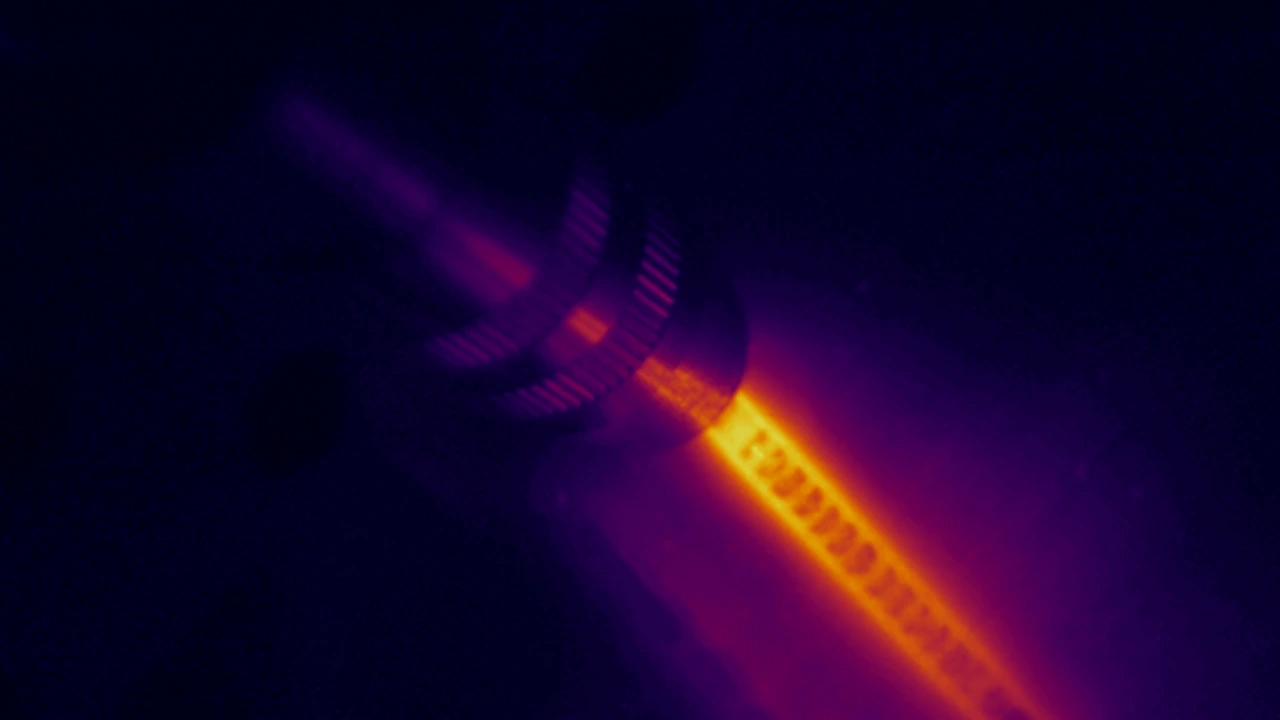
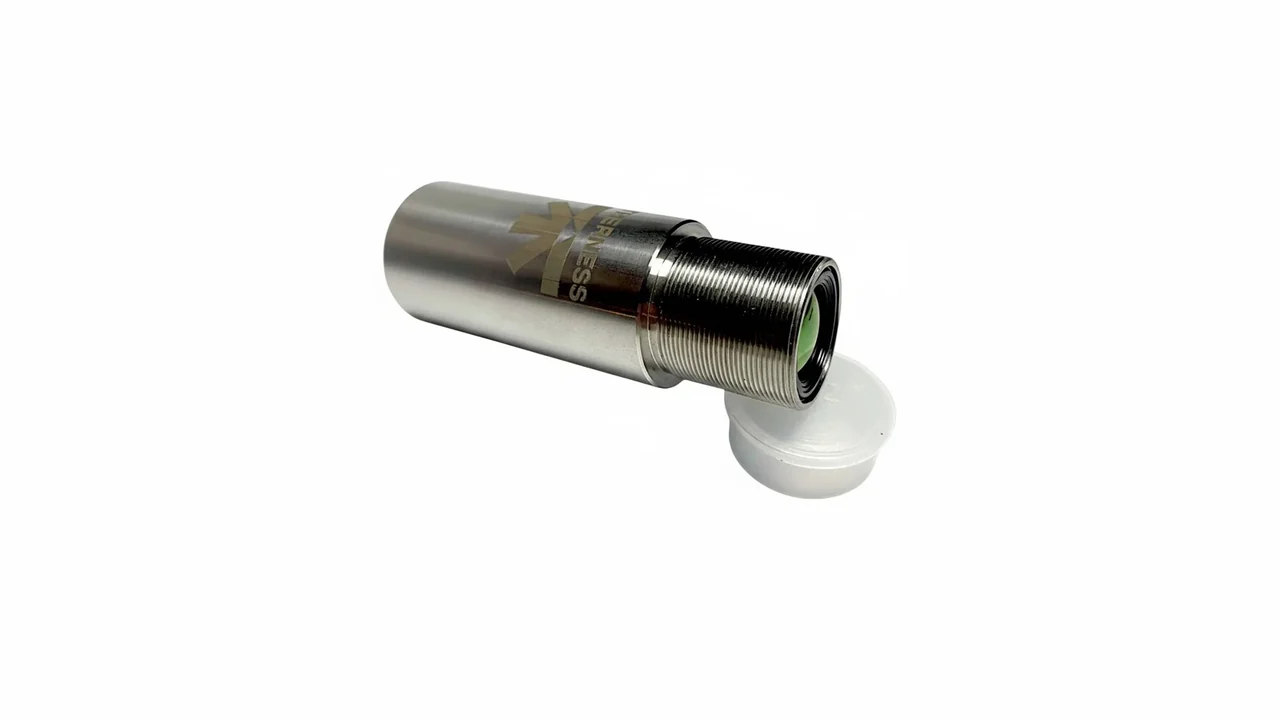
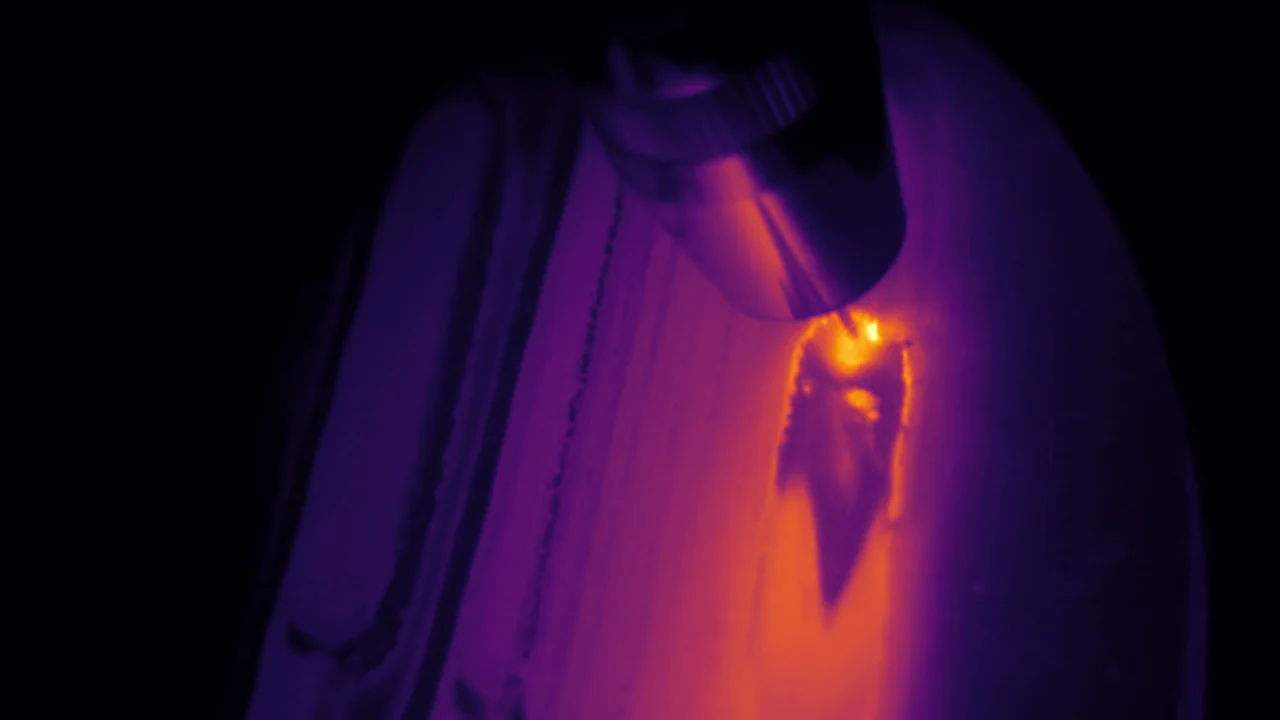
WeldTrace records the current, voltage, wire feed and gas the machine delivered on each weld, and HeatCore AI adds the thermal record of the bead. Together they make the record per weld, not per batch. For storage-tank programmes, see the storage tank welding application and the API 650 scope reference. The data supports the quality decision. It does not decide which standard applies, and it does not replace the NDE or hydrostatic test that the standard requires.
Versione italiana
API 650 e API 620 riguardano entrambe serbatoi saldati di grandi dimensioni montati in campo, ma non si sceglie l’una o l’altra per preferenza. Decidono le condizioni di progetto: la pressione dello spazio vapore sopra il liquido, la temperatura del metallo del mantello e il prodotto stoccato. Se il confine è sbagliato, mantello, giunzione tetto-mantello, estensione dei controlli e piano di prova seguono le regole sbagliate.
Questa guida riguarda la scelta fra le due norme di costruzione per un serbatoio nuovo. Non riproduce le tabelle di progetto delle norme: conferma ogni limite sull’edizione e sugli addenda citati dalla specifica d’acquisto.
Le tre domande che decidono
| Punto di decisione | Resta in API 650 se… | Passa ad API 620 se… | Evidenza da conservare |
|---|---|---|---|
| Pressione dello spazio vapore | La pressione interna di progetto è vicina a quella atmosferica, o rientra nel piccolo intervallo che API 650 ammette con l’appendice sulla pressione | La pressione di progetto supera quell’intervallo ma resta sotto il limite di API 620 | Scheda dati di progetto con pressione, vuoto e criterio di sfiato, firmata prima di congelare l’elenco delle WPS |
| Temperatura del metallo | La temperatura del mantello rientra nell’intervallo base di API 650 o nella sua appendice per alte temperature | La temperatura esce dagli intervalli di API 650, o il prodotto è refrigerato | Temperatura di progetto del metallo, la sua base e il record di tenacità che richiede |
| Prodotto e servizio | Liquidi non refrigerati nell’ambito della norma | Liquidi refrigerati e gas liquefatti, trattati da API 620 in appendici dedicate | Prodotto, temperatura di stoccaggio e appendice richiamata dal committente |
Pressione e temperatura
Un serbatoio API 650 di base è atmosferico. L’appendice F di API 650 estende i serbatoi a tetto chiuso fino a 18 kPa (2,5 psig) se si rispettano i requisiti aggiuntivi; oltre, si passa ad API 620. API 620 copre lo spazio vapore fino a 103,4 kPa (15 psig); oltre questo limite si entra nel percorso degli apparecchi a pressione, con il riferimento di ambito ASME Section VIII Division 1. Leggi la pressione di progetto, non quella di esercizio, e verifica a parte il vuoto di progetto.
Per la temperatura, le regole base di API 650 arrivano a 93 °C (200 °F) e l’appendice M estende l’intervallo verso l’alto. API 620 copre il metallo fino a 121 °C (250 °F); lo stoccaggio refrigerato e i gas liquefatti stanno nelle sue appendici R e Q, i cui limiti di temperatura sono cambiati fra le edizioni: leggili dall’edizione indicata nel contratto.
Saldatura, controlli e servizio
Passare ad API 620 cambia il progetto: tetto, anello di compressione e giunzioni del mantello diventano parti calcolate, e le estensioni dei controlli seguono le regole di API 620. Le appendici a bassa temperatura aggiungono materiali e procedure con prova di resilienza. Procedure e saldatori si qualificano di norma con il riferimento ASME Section IX. Dopo la costruzione, API 653 vale per i serbatoi costruiti secondo API 650, non per quelli API 620: per questi la base dell’ispezione in esercizio la fissano il programma del proprietario e la giurisdizione applicabile.
Rendi la decisione verificabile
Conserva la scheda dati di progetto accanto alla decisione su norma e appendice, poi collega ogni giunto a WPS, saldatore e dati di processo registrati. WeldTrace registra corrente, tensione, filo e gas erogati su ogni saldatura; HeatCore AI aggiunge il record termico del cordone. Vedi anche l’applicazione serbatoi di stoccaggio e la guida API 650 su saldatura e controlli. I dati sostengono la decisione qualità, ma non stabiliscono quale norma si applica e non sostituiscono i controlli non distruttivi né la prova idrostatica richiesti.
Sources
- API 650 scope reference — Therness
- ASME Section VIII Division 1 scope reference — Therness
- ASME Section IX scope reference — Therness
- API standards catalogue — American Petroleum Institute
Tie the tank code decision to per-weld evidence / Collega la scelta della norma all'evidenza di ogni giunto
Therness helps tank fabricators keep the design basis, WPS scope and per-weld process records together before the audit. / Therness aiuta i costruttori di serbatoi a tenere insieme base di progetto, ambito WPS e record di processo di ogni giunto prima dell'audit.
Talk to an expert / Parla con un espertoTherness solution: Welding monitoring system — Every weld inspected in the cycle, with defect flags and the ISO 3834 / ISO 17635 evidence kept per weld.