A weld monitoring system is an investment in equipment and software. In 2026 an Italian manufacturer has two national instruments worth looking at: an incentive for research and development projects in southern Italy, and a tax measure open to every company.
This article sets out what each one covers, read on the official texts, and what to bring to your advisor. It is not tax advice and it is not a promise of funding: the person handling your application checks eligibility and amounts. An Italian version is available: Finanziare il monitoraggio della saldatura con gli incentivi 2026.
Two instruments, two different logics
| Scoperta imprenditoriale II | Iperammortamento 2026 | |
|---|---|---|
| What it is | R&D incentive: a grant towards costs plus a subsidised loan | A higher tax-recognised cost of new capital goods, for depreciation and leasing |
| Who | Projects carried out in Basilicata, Calabria, Campania, Molise, Puglia, Sardinia and Sicily | Companies resident in Italy and permanent establishments in Italy, any size or sector |
| Size and period | Eligible project costs from €1 million to €5 million | Investments made from 1 January 2026 to 30 September 2028 |
| Where to apply | Online desk of the managing body, from 7 October 2026 until funds run out | GSE platform (Gestore dei Servizi Energetici), in several steps |
Scoperta imprenditoriale II: R&D in southern Italy
The instrument comes from the Ministry of Enterprises and Made in Italy decree of 19 May 2026. Terms and procedure are in the directorial decree of 6 August 2026. It supports R&D projects carried out in the less developed regions: Basilicata, Calabria, Campania, Molise, Puglia, Sardinia and Sicily.
- Project size. Eligible costs must be between €1 million and €5 million (art. 3(8)).
- Application desk. Applications are online only, from 7 October 2026, on working days from 10:00 to 18:00, on the managing body’s website named in the decree (art. 2). Applications filed on the same day count as received together; when the funds run out, the Ministry closes the desk by decree (art. 3).
- One application each. Each party may file one application, alone or jointly; research organisations are the exception (art. 2(5)).
Where a monitoring system fits
A monitoring system used in the project can fall under instruments and equipment (art. 6(1)(b)), on three conditions written in the decree:
- it is newly manufactured;
- it is bought during the project;
- it counts to the extent and for the period it is used for the project.
The third condition is the one to understand. If the asset stays in use after the project ends, only the ordinary tax depreciation for the project period is eligible, not the full price. The full cost can be claimed only when the asset’s useful life is equal to or shorter than the project, with a statement from the project’s technical lead and a positive assessment by the managing body.
A line of reasoning, not a calculation: a project shorter than the system’s useful life carries the depreciation of the project years. Your advisor works out what that means in euros.
Letter (c) of the same article admits consulting, contract research and other services used for the project. Overheads and materials are recognised as a flat 20 % of personnel, equipment and service costs (art. 6(2)).
Iperammortamento 2026: a tax measure for all of Italy
The iperammortamento was introduced by the 2026 budget law (Law no. 199 of 30 December 2025, art. 1, paragraphs 427–436). Its operating rules are in the interministerial decree of 7 May 2026; the official summary is on the Ministry’s page.
- What it gives. An increase in the acquisition cost of new capital goods, recognised for tax purposes only, for depreciation and finance-lease instalments. It is not a tax credit offset through the F24 form: it reduces taxable income for income taxes.
- Which assets. New tangible and intangible assets listed in Annexes IV and V of Law no. 199/2025, interconnected with the company’s production management system or supply network (plus plants for self-generated renewable energy).
- How much. For tangible assets in Annex IV the increase is 180 % on investment up to €2.5 million, 100 % above €2.5 million and up to €10 million, and 50 % above €10 million and up to €20 million. For intangible assets in Annex V, ask your advisor which rate applies.
- When. Investments made from 1 January 2026 to 30 September 2028.
How access works
- Booking on the GSE platform, open since 12 June 2026.
- Confirmation, with the date and amount of the payment that brings the deposit to 20 % of each asset’s cost, open since 21 July 2026.
- Completion, once the investment is finished and interconnected, open since 15 October 2026 and in any case by 15 November 2028.
The investments are proven by a sworn technical appraisal and an accounting certification. Instructions and forms are in the GSE section.
Whether a weld monitoring system falls under the annexes, and with which interconnection, is for your advisor and the appraising engineer to assess on the actual asset. We do not take it for granted.
If your plant is outside southern Italy
Scoperta imprenditoriale II only applies to projects in the seven regions listed above. If your plant is elsewhere, the national instrument to look at is the iperammortamento; your region may also run its own calls, and your advisor will know which ones are open now.
What to bring to your advisor
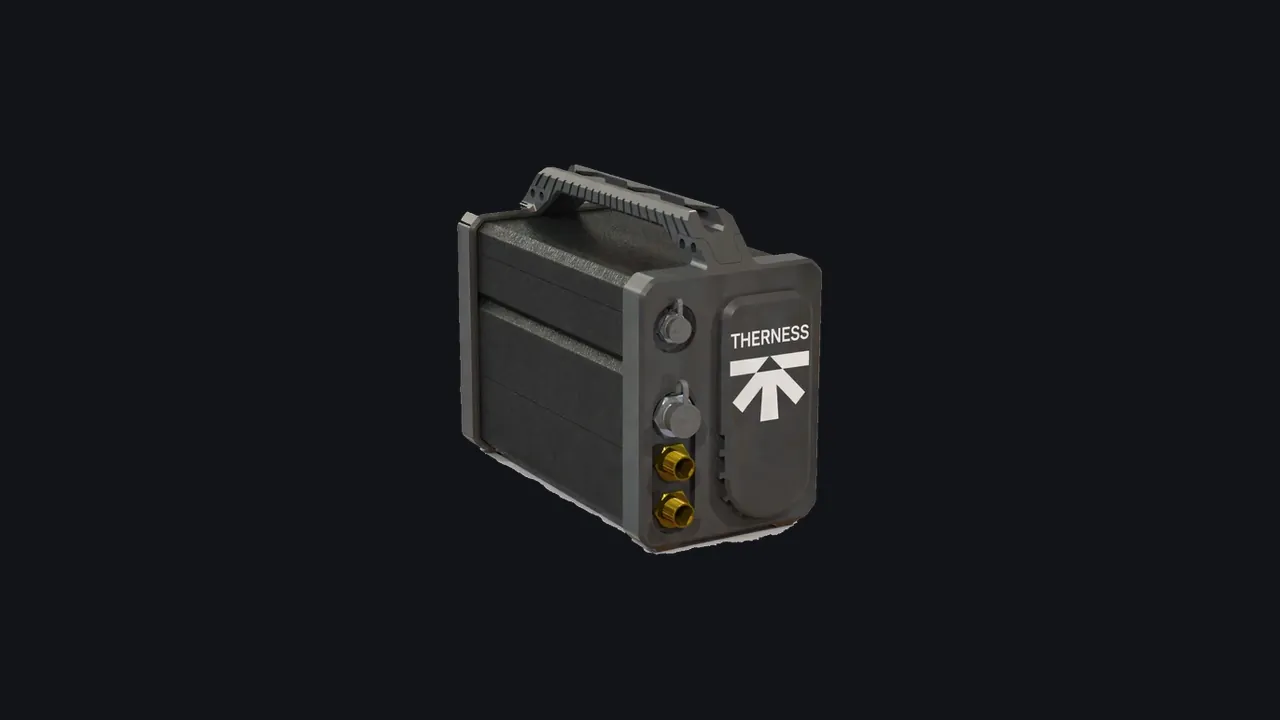
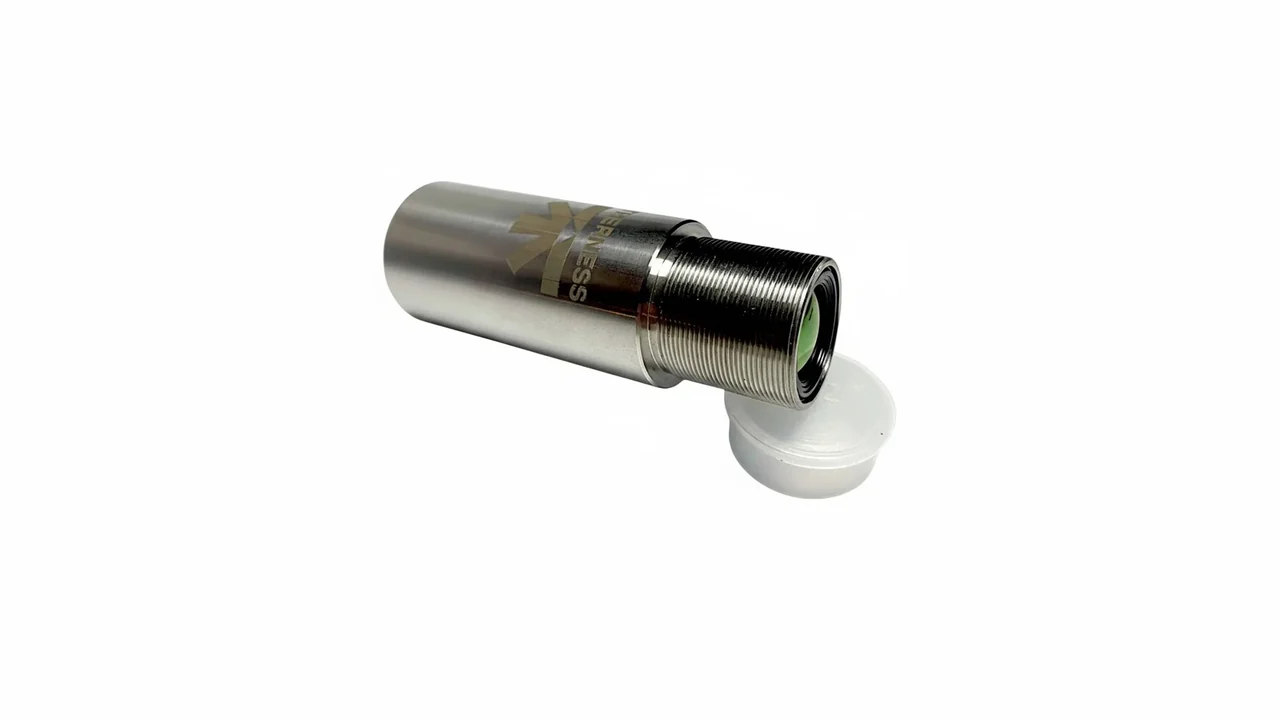
- The system data sheet: hardware and software components, what it measures, how it connects to the robot, the power source and your production systems.
- Its use in the project: which research or development activity it supports, on which cells, with which data.
- The durations: project length, period of use in the project and expected useful life of the asset.
- The dates: planned purchase, delivery and interconnection. For the iperammortamento, the interconnection date goes into the GSE communications.
- A quotation with separate lines for equipment, software and services, because the two instruments treat them differently.
How the system works is described on the real-time welding monitoring system page; what we have measured, and what we have not, is on the validation page.
Sources
- Directorial decree of 6 August 2026, Scoperta imprenditoriale II (Ministry of Enterprises and Made in Italy): art. 1, 2, 3 and 6.
- Nuovo Piano Transizione 5.0, Iperammortamento (Ministry of Enterprises and Made in Italy): measure, rates and steps.
- Interministerial decree of 7 May 2026, implementing rules of the iperammortamento.
- Nuovo Piano Transizione 5.0 on the GSE website: instructions and platform.
Texts re-read on 20 October 2026. Terms and funds can change: the current version of the sources prevails.
Need the technical documentation for your advisor?
Tell us where the plant is, which welding process you want to monitor and how long the project runs: we send the data sheet and the interconnection details.
Request the documentationTherness solution: Welding monitoring system — Every weld inspected in the cycle, with defect flags and the ISO 3834 / ISO 17635 evidence kept per weld.
Frequently Asked Questions
Does Scoperta imprenditoriale II cover the full cost of a monitoring system?
As a rule, no. Article 6(1)(b) of the directorial decree of 6 August 2026 admits newly manufactured instruments and equipment bought during the project, to the extent and for the period they are used for the R&D project. If that use is shorter than the asset's useful life, only the ordinary tax depreciation for the project period is eligible. The full cost can be claimed only when the useful life is equal to or shorter than the project, with a statement from the project's technical lead and a positive assessment by the managing body.
Our plant is not in southern Italy. Is there anything for us?
Scoperta imprenditoriale II only covers projects in the less developed regions: Basilicata, Calabria, Campania, Molise, Puglia, Sardinia and Sicily. The 2026 iperammortamento is open to every company resident in Italy and to permanent establishments located in Italy. Your region may run its own calls: ask your advisor which ones are open.
Does a Therness system qualify under Annex IV or V of the iperammortamento?
That is not ours to decide. Whether an asset falls under the annexes, and whether its interconnection is adequate, is assessed by your advisor and by the engineer who signs the sworn technical appraisal, on the actual asset and plant. We supply the data sheet and the documentation of how the system connects to your production.
Can both instruments be used on the same asset?
Ask your advisor. The two instruments follow different rules: one supports an R&D project, the other increases the tax-recognised cost of an asset. Whether they can be combined on the same asset has to be checked against the texts, case by case. We do not assume it.
Will Therness file the application for us?
No. Your company files the application and the communications, usually with its advisor. We provide the technical information about the system that the file needs.