“How much does a welding camera cost?” is the first question every quality manager asks — and the honest answer is that a welding camera is a configured inspection system, not a boxed product with a list price. Two plants buying “a welding camera” can end up with quotes that differ by an order of magnitude, and both can be correctly priced.
This guide explains what actually drives the number on your quote, so you can control it — and spec a request that gets you an accurate figure in one pass instead of three rounds of clarification.
The five factors that drive welding camera cost
1. Camera modality: thermal, high-speed visual, or both
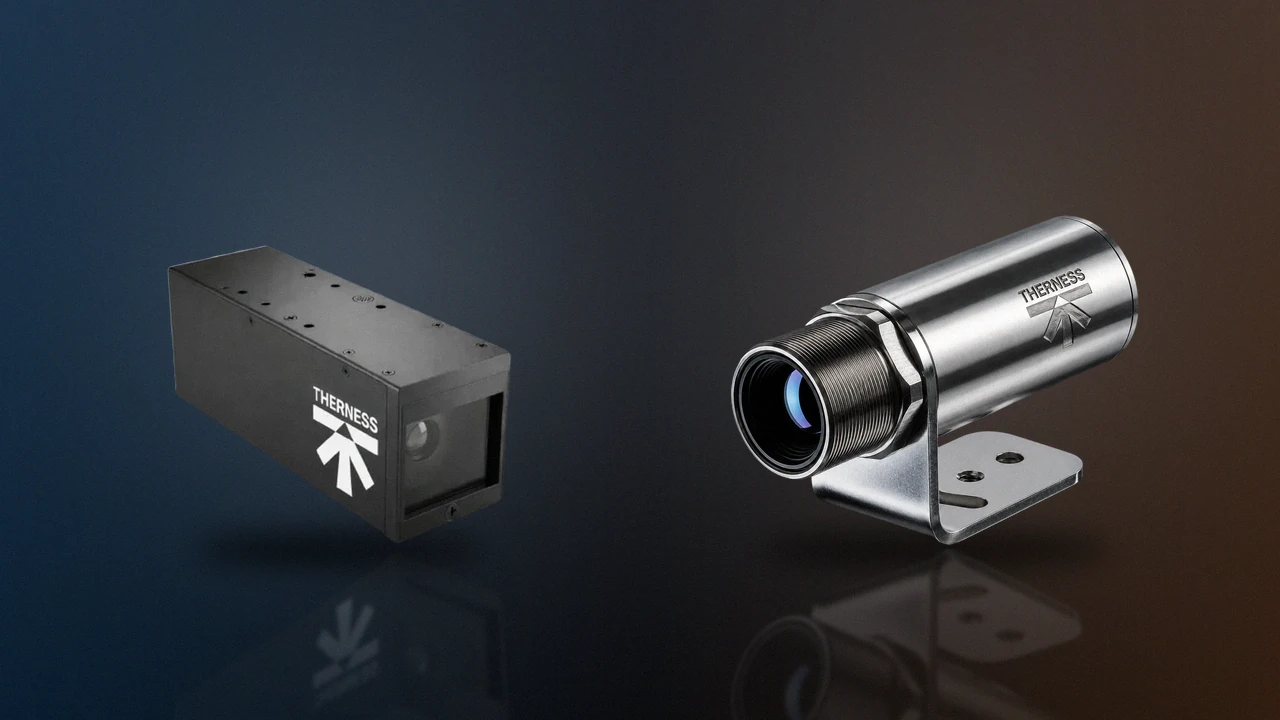
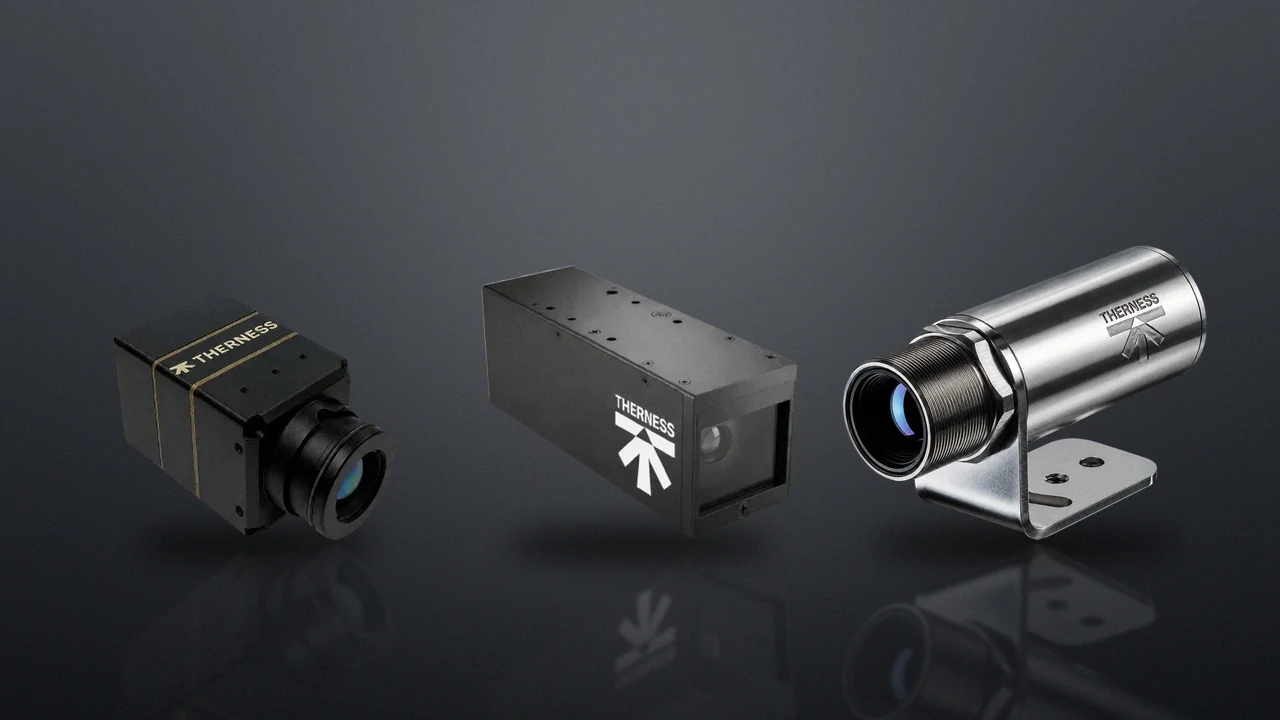
The largest fork in the road. An LWIR thermal camera (HeatCam IR-C or IR-S) reads radiometric temperature through arc glare — preheat, interpass, cooling behaviour, heat-affected-zone extent. A high-speed visual camera (PoolDrop) resolves the molten pool and droplet transfer at up to 480 fps with Class 1 laser-safe illumination (IEC 60825-1).
They answer different questions, and the thermal vs visual comparison covers which defects each one catches. Production lines chasing full coverage often run both on the same HeatCore server, which costs more than either alone but shares one integration and one weld record. See the full HeatCore, HeatCam and PoolDrop range to compare configurations.
2. Optics and protection for your cell
The same sensor can need very different packaging. What moves this line on the quote:
- Standoff distance and field of view — close torch-side mounting vs a wide cell view needs different lenses.
- Environment rating — spatter, grinding dust, and wash-down each push the housing and optical-window spec up.
- Fixed vs motorized focus — remote focus and field-of-view control from the control room (IR-C) vs fixed-standoff manual focus (IR-S).
Send the vendor a photo of the cell and the mounting position you have in mind. Ten minutes of context routinely removes an entire protective-packaging line item that was quoted defensively.
3. Software tier: footage vs decisions
A camera that only records gives you terabytes of footage nobody reviews. The value — and a meaningful part of the cost — is in the software that turns the stream into decisions and evidence:
- Recording and live view — the entry point (HeatCore Basic).
- AI scoring — real-time defect flags for porosity, lack of fusion, and process drift, with pass/fail per seam (HeatCore AI).
- Turnkey robotic deployment — integration with the cell, Panel PC operator interface, and automated evidence aligned with ISO 17635 / ISO 3834 (HeatCore Robotic).
The welding monitoring system overview shows how the tiers build on each other — or watch the system overview.
4. Integration depth
A standalone camera on a monitor is one price; a camera that talks to your robot controller, PLC, and QMS is another. Integration cost scales with:
- Fieldbus and triggering (capture synchronized to arc-on, part ID from the PLC)
- MES/QMS connections for per-weld records and traceability
- Multi-cell rollouts — the second cell is always cheaper than the first, because the integration pattern is already built
The PLC integration guide details what that plumbing involves.
5. Scale and rollout plan
One R&D station, one production cell, or a fleet? Vendors price fleets differently — shared servers, shared licences, and one commissioning visit covering multiple cells all pull the per-cell figure down. If a fleet is the end state, say so in the first conversation even if you start with one cell.
Purchase price vs total cost of ownership
The quote is not the cost. Over the system’s life, weigh:
| Cost you pay | Cost it removes |
|---|---|
| Camera hardware + optics | Scrap and rework on defective welds |
| Software licence/tier | Manual inspection and NDT sampling hours |
| Integration and commissioning | Warranty claims and field failures |
| Maintenance (optical windows, calibration) | Audit findings and customer quality escapes |
The right-hand column is measurable in your own numbers: the weld defect cost guide walks through quantifying scrap and rework, and the ROI calculator for real-time monitoring turns them into a payback estimate. A system that monitors 100% of welds in-process replaces a sampling regime — that is where the return concentrates.
The cheap camera trap: a consumer or standard industrial camera “for welding” that costs a fraction of a proper system delivers exactly none of the value — arc glare blinds it, spatter kills it, and it produces footage instead of decisions. The arc-glare and illumination guide explains why the optical problem is the expensive part.
How to get an accurate quote in one pass
Send these with your request:
- Process and materials — GMAW/TIG/laser, steel/aluminium/titanium, plate thickness.
- Joint types and geometry — fillet, butt, circular; typical part sizes.
- Speeds and takt — travel speed and parts per shift set frame-rate and processing needs.
- What you must measure — temperature (preheat/interpass/cooling), visual pool behaviour, or both.
- Acceptance standard — e.g. ISO 5817 level B/C/D, customer specs.
- Systems to integrate — robot brand, PLC, MES/QMS.
- Cell count and rollout ambition — pilot now, fleet later.
With that, a vendor can size the configuration — camera model, optics, software tier, integration scope — and give you a number that survives procurement.
Conclusion
Welding camera cost is driven by five controllable factors: modality, optics and protection, software tier, integration depth, and scale. Spec them deliberately and the quote reflects what your line actually needs — nothing defensive, nothing missing. And judge the number against the defects it retires, not against the cheapest sensor that claims to film an arc.
Get a configuration and quote for your line
Tell us your process, materials, and takt time — we'll size the camera, optics, and software tier for your cells and come back with a concrete proposal.
Request a quote Compare the welding camerasTherness solution: Welding camera — Thermal and high-speed imaging that watches the arc, the pool and the cooling seam while the weld is made.
Frequently Asked Questions
How much does a welding camera cost?
There is no single number, because a welding camera is a configured system, not a boxed product. The quote depends on the camera modality (LWIR thermal vs high-speed visual), the optics and protection package your cell requires, the software tier that scores and records the welds, and how deeply it integrates with your robots, PLC, and QMS. The fastest way to a real number is a quote request that describes your process, materials, takt time, and inspection requirements.
Why do welding cameras cost more than standard industrial cameras?
A standard industrial camera is blinded by arc glare and destroyed by heat and spatter. Welding cameras add arc-glare handling (LWIR thermal imaging or laser-safe illumination), protective housings and optical windows rated for the weld cell, radiometric calibration for thermal models, and software that turns footage into pass/fail decisions and traceable records. You are buying an inspection system, not a sensor.
Is a welding camera worth the investment?
Evaluate it against what defects currently cost you: scrap, rework hours, NDT sampling, warranty claims, and audit findings. A camera-based monitoring system inspects 100% of welds during production instead of sampling after it, so defects are caught while the part is still on the fixture. For most multi-shift robotic cells the avoided rework and claims dominate the purchase price over the system lifetime.
What information should I include in a welding camera quote request?
Welding process and materials, joint types and typical part geometry, travel speeds and takt time, number of cells or stations, whether you need temperature measurement (preheat, interpass, cooling) or visual weld-pool analysis or both, the standards you inspect against (e.g. ISO 5817 level), and the systems the camera must talk to (robot brand, PLC, MES/QMS). With those details a vendor can size the configuration in one pass.