A WAAM build stacks a few hundred layers on top of each other, and any one of them can carry a defect that the next layer buries before anyone looks at it. A per-layer quality record is the answer: a row per layer (or per pass) capturing the thermal, geometry, and arc-parameter signals that decide whether that layer met its procedure, plus a rule that flags the ones that did not. This is not a new inspection method — it is a discipline for what to log, when, and against what limit, so the record supports part qualification instead of sitting unused in a data historian.
Key takeaways
- A per-layer record needs three signal families: thermal, geometry, and arc parameters, each tied to a layer index and build location.
- Interpass temperature at pass start is usually the most load-bearing thermal value, since most WAAM procedures already qualify a limit for it.
- A layer acceptance rule should check against the envelope the procedure qualification already set, not a new threshold invented from monitoring data.
- Geometry drift (bead width, layer height) turns a thermal or parameter excursion into a dimensional problem in the finished part.
- The record’s value for qualification is the chain it provides: qualified parameters, evidence production stayed inside them, and a named disposition for exceptions.
- A per-layer record does not replace post-build NDT; it answers a different question — process conformance, not the finished part’s acceptance.
- Data volume scales with layer count, which is why the acceptance rule needs to run automatically, not be reviewed layer by layer by a person.
What “per layer” actually means in a WAAM record
Logging a single build-average throws away the one thing that makes layer-by-layer manufacturing different from a single weld: each layer is a discrete, repeatable event with its own start condition and its own opportunity to drift before the next one starts. A per-layer record breaks the build into that many rows, each keyed to a layer index and, where geometry allows it, a coordinate on the wall or feature being built.
That granularity is what lets a reviewer trace a defect found later in the finished part back to the specific layer it most likely originated from, instead of only knowing it happened “somewhere in this build.” It is also what the control loop in wire arc additive interlayer temperature control loop design depends on: control and record share the same per-layer measurement.
Thermal signals worth logging per layer
Three thermal values earn their place in most per-layer records:
- Interpass temperature at the start of the pass. This is the temperature of the previously deposited material immediately before the new layer starts, and it is usually the number a WAAM procedure qualification already puts a limit on. See interpass temperature — definition and measurement for how the measurement itself is defined and where it is taken.
- Peak temperature during the pass. A running maximum for the layer, useful for catching a momentary excursion that a single start-of-pass reading would miss.
- Cooling curve shape, where the equipment supports it. A curve that flattens compared to earlier layers is a heat-accumulation signature; why carbon steel WAAM walls slump explains what a widening high-temperature footprint on thermal video means for a tall wall.
A record logging only one of the three loses what the other two would have caught: interpass temperature alone can look qualified while peak temperature spikes mid-pass.
Geometry signals worth logging per layer
Thermal drift usually shows up as geometry drift a few layers later, which is why a record needs both.
- Bead width. The most direct signal of deposition-per-unit-length, driven by the wire-feed-to-travel-speed ratio — see wire feed speed and WAAM bead width: how layers take shape.
- Layer height. Cumulative height against the design profile catches a wall building up faster or slower than planned, which compounds over a multi-hour build if unflagged.
- Surface waviness, where a camera or profilometer is already in place. Not always available, but a useful early indicator of an unstable arc.
Neither signal needs laboratory precision to be useful here — the record’s job is flagging a layer that moved outside its qualified band, not serving as the dimensional inspection report for the finished part.
None of this replaces the quality-system framework a fabricator already certifies against. ISO 3834-2 sets comprehensive quality requirements for fusion welding that a per-layer record is one way of satisfying — its equipment, traceability, and record-keeping clauses, not a replacement standard for WAAM specifically.
Arc-parameter signals worth logging per layer
Arc parameters are what the machine actually commanded and delivered for the layer, and they sit most directly under the operator’s or robot program’s control:
- Current and voltage, as commanded and, where the power source reports it, as delivered.
- Wire feed speed and travel speed, whose ratio drives deposition rate and bead geometry.
- Shielding gas flow, where a lapse is a precursor to porosity rather than a geometry problem.
Logging the parameter set, not just the thermal and geometry outcome, lets a later review distinguish a process problem (wrong parameters commanded) from a material or environmental one (right parameters, unexpected result).
Setting a layer acceptance rule
A layer acceptance rule is a pass/fail (or pass/flag) check applied to that layer’s record, evaluated as the layer completes, not at the end of the build. Build it from bands that already exist:
- Start from the procedure qualification. The interpass temperature range, the parameter window, and any geometry tolerance a welding procedure specification or its WAAM equivalent already qualifies are the bands the rule checks against.
- Write the rule as a check against those bands, per signal, per layer. A layer whose interpass temperature, geometry, and parameters all sit inside their qualified bands passes; one that exceeds any of them is flagged.
- Decide what a flag does before the build starts. Some fabricators halt for review; others log the exception and let a qualified reviewer disposition it before the part proceeds. Either is defensible — an undefined response is not.
- Keep the rule and the qualification in the same document trail, so a changed acceptance band shows which qualification version was in force for which layers.
The rule need not be sophisticated to be useful. A layer staying inside three or four already-qualified bands, logged as such, beats an unstructured thermal video nobody reviews until something fails downstream.
Before a record is judged against those bands, confirm that it is fit for use: layer identity, synchronized signals, completeness and calibration context. The WAAM layer monitoring data quality checklist covers that step.
From a per-layer record to part qualification
A per-layer record earns its place in a qualification file when it answers three questions in sequence: what parameters was the procedure qualified with, does the record show production staying inside those parameters for every layer of this part, and where an exception occurred, who reviewed it and what did they decide. An auditor is not asking whether the finished part looks acceptable on the outside — that is post-build inspection’s job — they are asking whether the process stayed inside its qualified envelope for the whole build, not just the layers someone happened to check.
That is the difference between a monitoring log and a qualification record: a log shows what happened, a qualification record shows what happened measured against what was allowed, with a named disposition for every place the two diverged.
What a per-layer record does not replace
A per-layer record answers “did the process stay inside its qualified envelope while depositing this part.” It does not answer “does the finished part meet its acceptance criteria” — that is closed separately, usually with volumetric and surface non-destructive testing called out in the part specification. Most WAAM part specs ask for both: a process record covering the build, and post-build inspection covering the result.
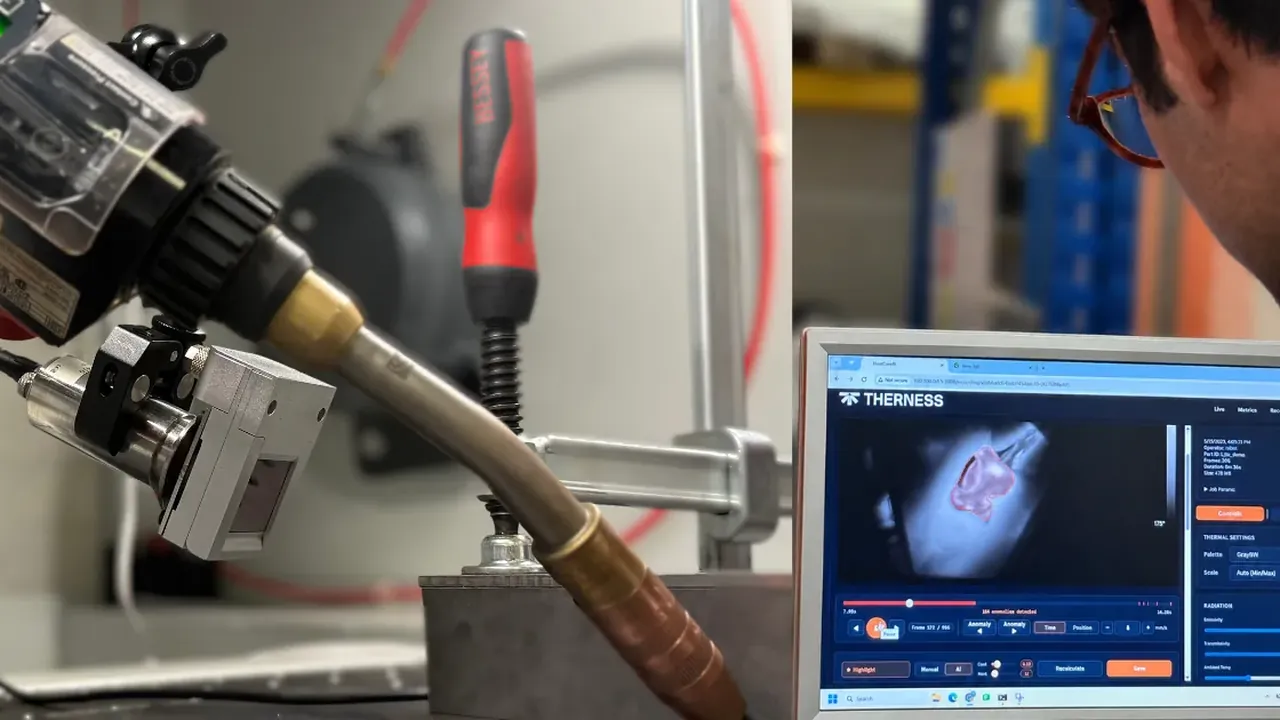
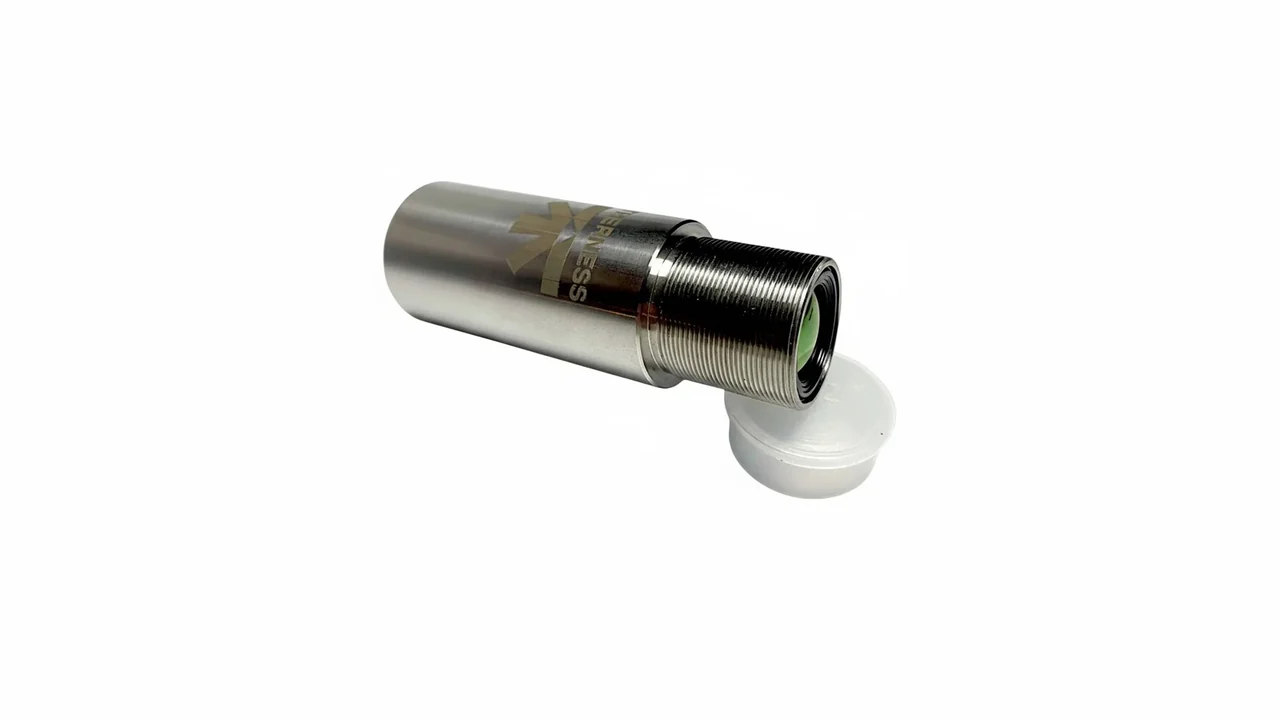
For the deposition-side monitoring this record is built on, WAAM additive manufacturing monitoring covers the sensing options in more depth; HeatCore AI is the thermal system behind this kind of check, and PoolDrop covers the high-speed visual side of the same check.
FAQ
What should a per-layer WAAM quality record contain? At minimum a timestamped set of thermal values (peak temperature and interpass temperature at a defined measurement point), a geometry check (bead width and layer height against the target profile), and the arc parameters that were commanded and delivered (current, voltage, wire feed speed, travel speed). Each entry ties back to a layer index and a location on the build, so a reviewer can find the exact pass a value came from.
Which thermal signal matters most for a WAAM per-layer record? Interpass temperature at the start of each new pass is usually the single most load-bearing number, because it sets how fluid the pool stays and how the cooling curve behaves for that layer. Peak temperature during the pass and the shape of the cooling curve add detail, but interpass temperature is the one most WAAM procedures already qualify a limit for.
How do you define an acceptance rule for a single WAAM layer? Start from the envelope the procedure qualification already sets — an interpass temperature range, a bead geometry tolerance, a parameter window — and write the rule as a check against that envelope, not as a new limit invented from monitoring data. A layer that stays inside every qualified band passes; one that drifts outside any of them is flagged for review before the next layer buries it.
What geometry checks matter per layer in WAAM? Bead width and layer height against the design profile, and where equipment allows it, surface waviness along the pass. Width and height drift are the two signals most directly tied to the wire-feed-to-travel-speed ratio, and they are what turns a thermal excursion into a dimensional problem in the finished part.
How does a per-layer record support part qualification? It gives an auditor or a qualifying authority a continuous chain from procedure qualification to the specific part in front of them: the parameters the procedure was qualified with, evidence that production stayed inside those parameters layer by layer, and a named point where any exception was reviewed and dispositioned. Without that chain, qualification rests on a spot check and a trust that nothing drifted in between.
How much data does a full per-layer record generate on a large WAAM build? It scales with layer count and sampling rate, and on a tall wall or a multi-hour build that can run into a large number of rows even at one summary record per layer. As an estimate: a build of a few hundred layers, each holding a handful of thermal, geometry, and parameter fields, produces a record in the low thousands of data points — small enough to store and query, but large enough that a per-layer acceptance rule needs to be automated rather than reviewed by eye.
Does a per-layer QA record replace post-build NDT for WAAM parts? No. A per-layer record shows that the process stayed inside its qualified envelope while depositing; it does not substitute for the volumetric and surface inspection a part specification calls for after the build. The two serve different questions — process conformance during deposition, not the finished part meeting its acceptance criteria — and most WAAM part specs require both.
Who should own the acceptance rule: the machine builder, the fabricator, or the certifying body? The fabricator owns and applies the rule day to day, but the thresholds it checks against come from the procedure qualification the fabricator ran and, where one applies, the acceptance criteria a certifying body or customer specification sets. A rule invented independently of the qualified procedure has no standing when a part is audited.
Turn per-layer signals into a qualification-ready record
Therness combines thermal and high-speed visual monitoring to log the per-layer signals a WAAM acceptance rule needs, with a record built for audit rather than just review.
Talk to an engineerTherness solution: Welding monitoring system — Every weld inspected in the cycle, with defect flags and the ISO 3834 / ISO 17635 evidence kept per weld.
Frequently Asked Questions
What should a per-layer WAAM quality record contain?
At minimum a timestamped set of thermal values (peak temperature and interpass temperature at a defined measurement point), a geometry check (bead width and layer height against the target profile), and the arc parameters that were commanded and delivered (current, voltage, wire feed speed, travel speed). Each entry ties back to a layer index and a location on the build, so a reviewer can find the exact pass a value came from.
Which thermal signal matters most for a WAAM per-layer record?
Interpass temperature at the start of each new pass is usually the single most load-bearing number, because it sets how fluid the pool stays and how the cooling curve behaves for that layer. Peak temperature during the pass and the shape of the cooling curve add detail, but interpass temperature is the one most WAAM procedures already qualify a limit for.
How do you define an acceptance rule for a single WAAM layer?
Start from the envelope the procedure qualification already sets — an interpass temperature range, a bead geometry tolerance, a parameter window — and write the rule as a check against that envelope, not as a new limit invented from monitoring data. A layer that stays inside every qualified band passes; one that drifts outside any of them is flagged for review before the next layer buries it.
What geometry checks matter per layer in WAAM?
Bead width and layer height against the design profile, and where equipment allows it, surface waviness along the pass. Width and height drift are the two signals most directly tied to the wire-feed-to-travel-speed ratio, and they are what turns a thermal excursion into a dimensional problem in the finished part.
How does a per-layer record support part qualification?
It gives an auditor or a qualifying authority a continuous chain from procedure qualification to the specific part in front of them: the parameters the procedure was qualified with, evidence that production stayed inside those parameters layer by layer, and a named point where any exception was reviewed and dispositioned. Without that chain, qualification rests on a spot check and a trust that nothing drifted in between.
How much data does a full per-layer record generate on a large WAAM build?
It scales with layer count and sampling rate, and on a tall wall or a multi-hour build that can run into a large number of rows even at one summary record per layer. As an estimate: a build of a few hundred layers, each holding a handful of thermal, geometry, and parameter fields, produces a record in the low thousands of data points — small enough to store and query, but large enough that a per-layer acceptance rule needs to be automated rather than reviewed by eye.
Does a per-layer QA record replace post-build NDT for WAAM parts?
No. A per-layer record shows that the process stayed inside its qualified envelope while depositing; it does not substitute for the volumetric and surface inspection a part specification calls for after the build. The two serve different questions — process conformance during deposition, not the finished part meeting its acceptance criteria — and most WAAM part specs require both.
Who should own the acceptance rule: the machine builder, the fabricator, or the certifying body?
The fabricator owns and applies the rule day to day, but the thresholds it checks against come from the procedure qualification the fabricator ran and, where one applies, the acceptance criteria a certifying body or customer specification sets. A rule invented independently of the qualified procedure has no standing when a part is audited.