
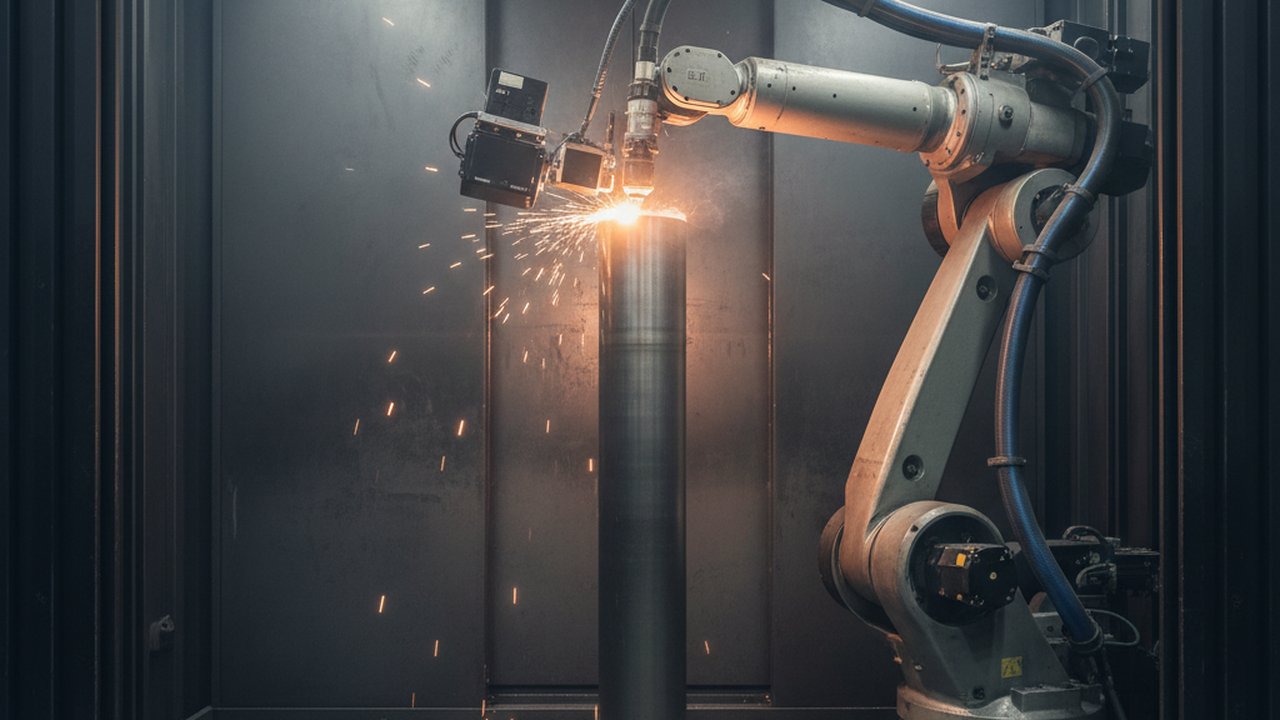
waam
Wire Arc Additive Interlayer Temperature Control Loop Design
Wire arc additive interlayer temperature control as a loop: measurement point, setpoint margin, dwell hysteresis, sensor loss and build-record proof.
Research‑grade articles on infrared thermography in welding, AI defect detection, cooling rates (T8/5), compliance, and ROI.
Page 8 of 28
Prefer feeds? Subscribe via RSS.
Wire arc additive interlayer temperature control as a loop: measurement point, setpoint margin, dwell hysteresis, sensor loss and build-record proof.

Design a welding quality documentation system that controls WPS release, roles, records, nonconformities, approvals, retention, and audit retrieval.

Build a welding coordinator training matrix for ISO 14731 with role scope, competence evidence, gap actions, review triggers, and audit-ready records.
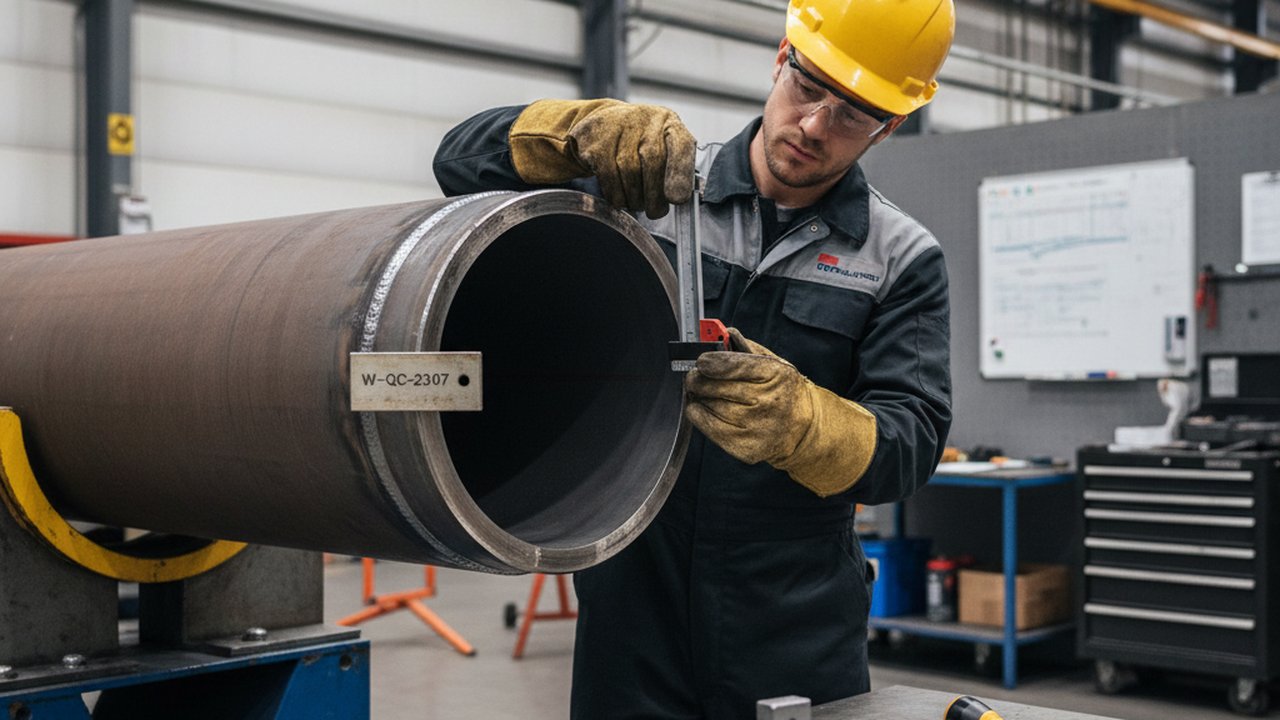
Build a welding quality control plan with an ITP, hold points, responsibilities, acceptance criteria, traceable records, and validation checks.
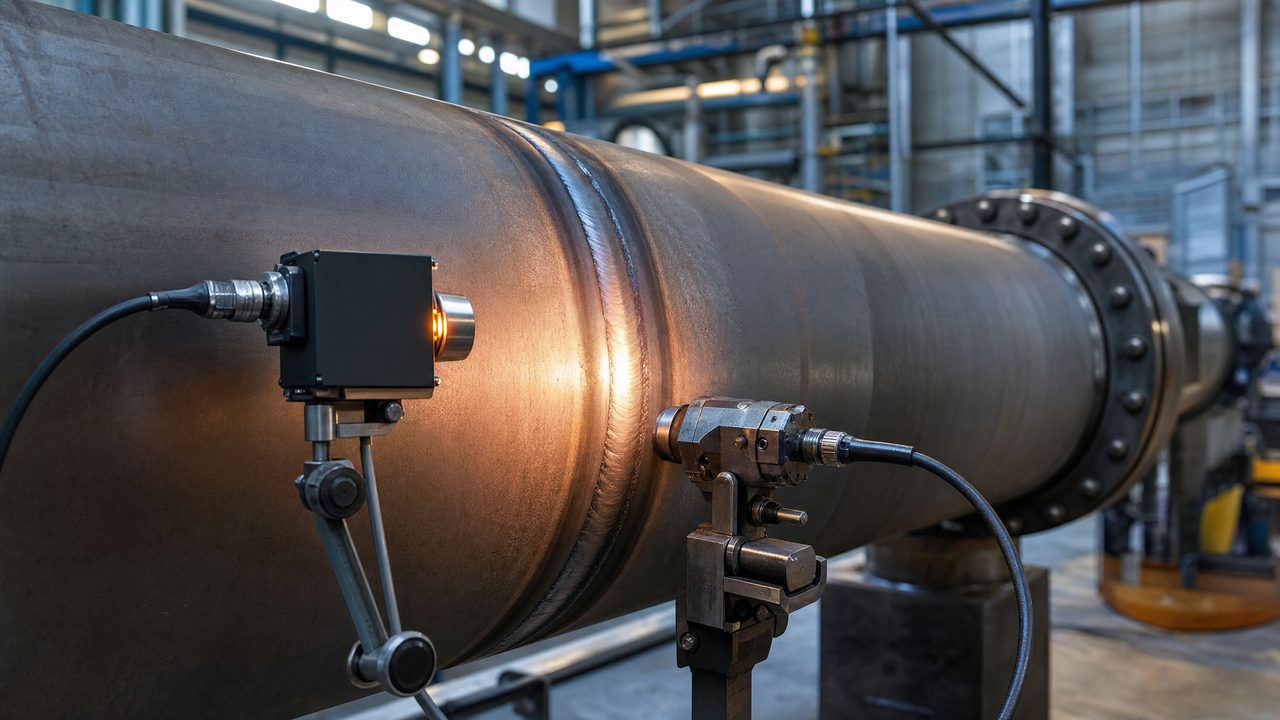
ASME B31.1 explained: welding requirements for power-generation and utility piping, PWHT, NDE methods, and acceptance criteria—how B31.1 differs from B31.3.
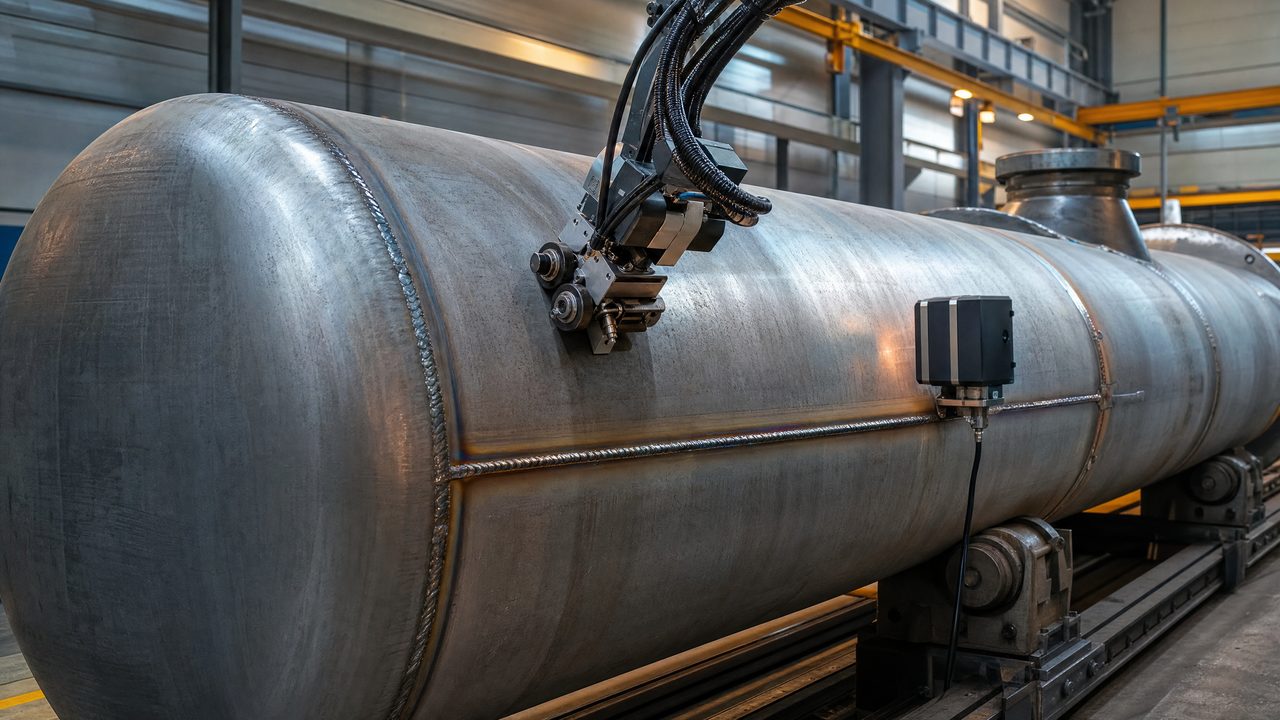
ASME Section VIII Division 1 explained: welding rules for pressure vessel construction, NDE method selection, hydrostatic testing, and acceptance—and how it relates to Section IX.
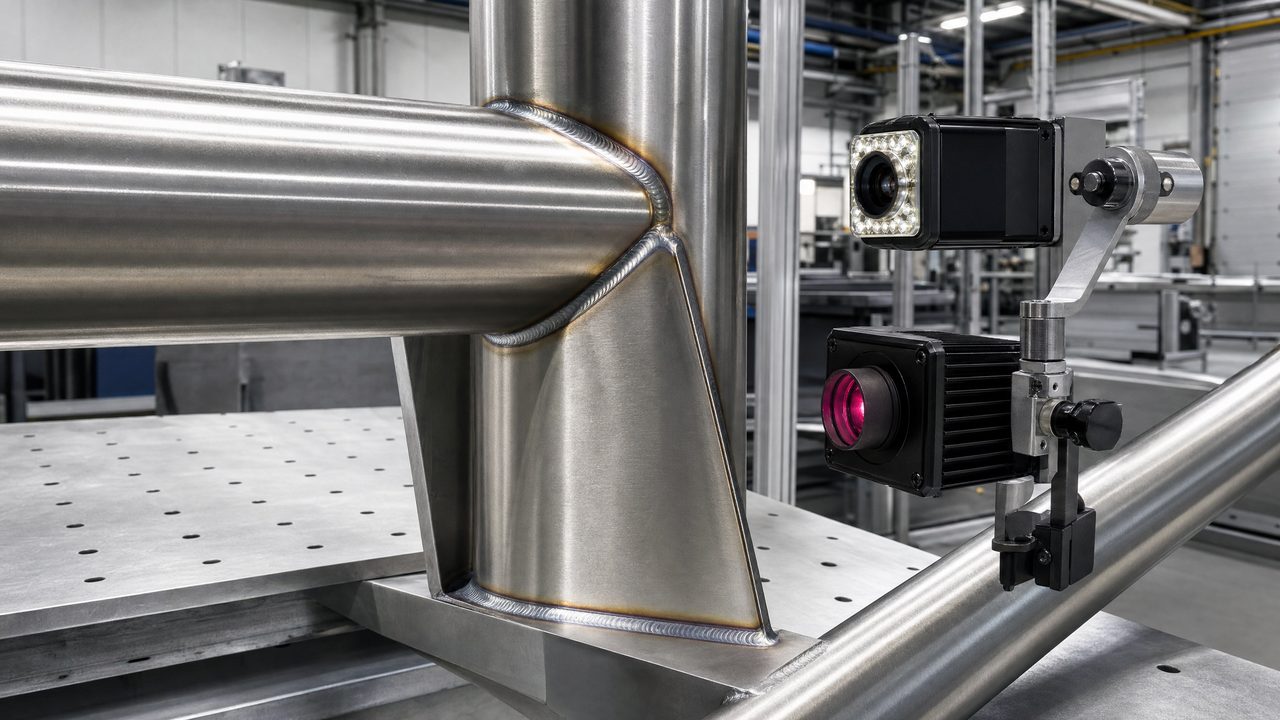
AWS D1.6 explained: structural welding of stainless steel—qualification, workmanship standards, examination, acceptance, and how D1.6 differs from D1.1.
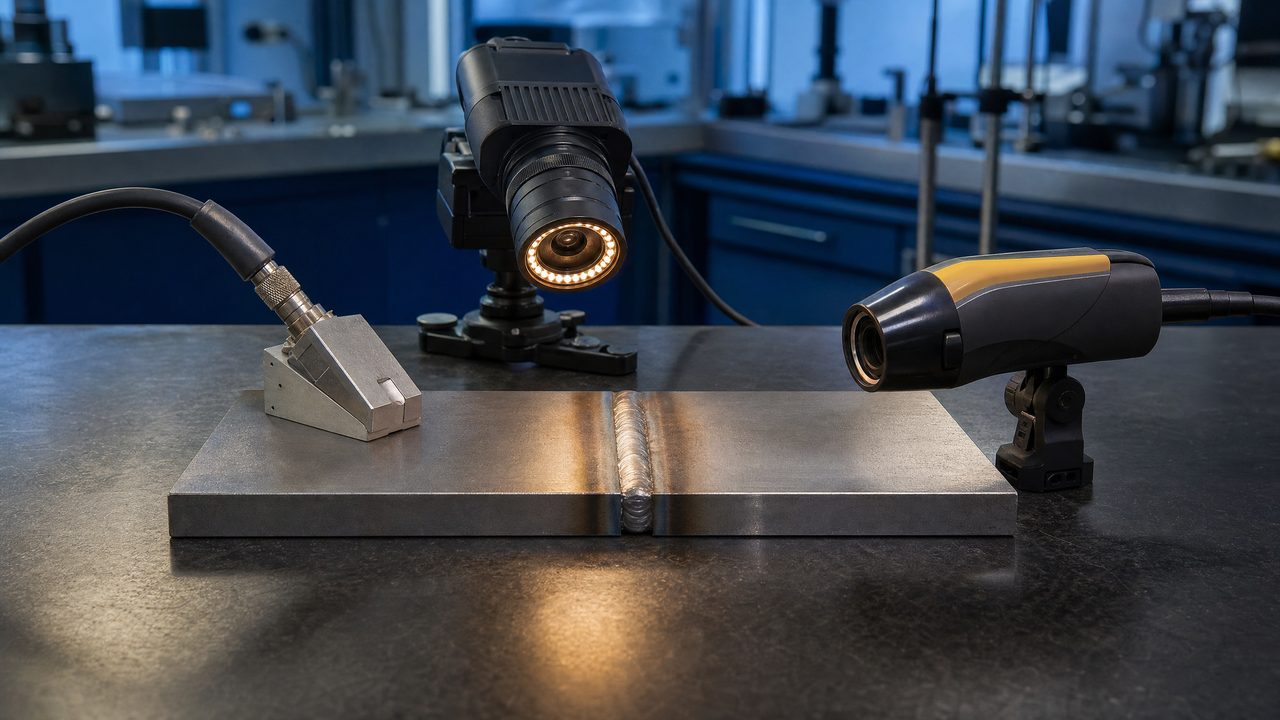
ISO 17635 explained: how to select NDT methods (visual, RT, UT, MPI, LPT) for weld inspection and determine testing extent per quality level and service condition.
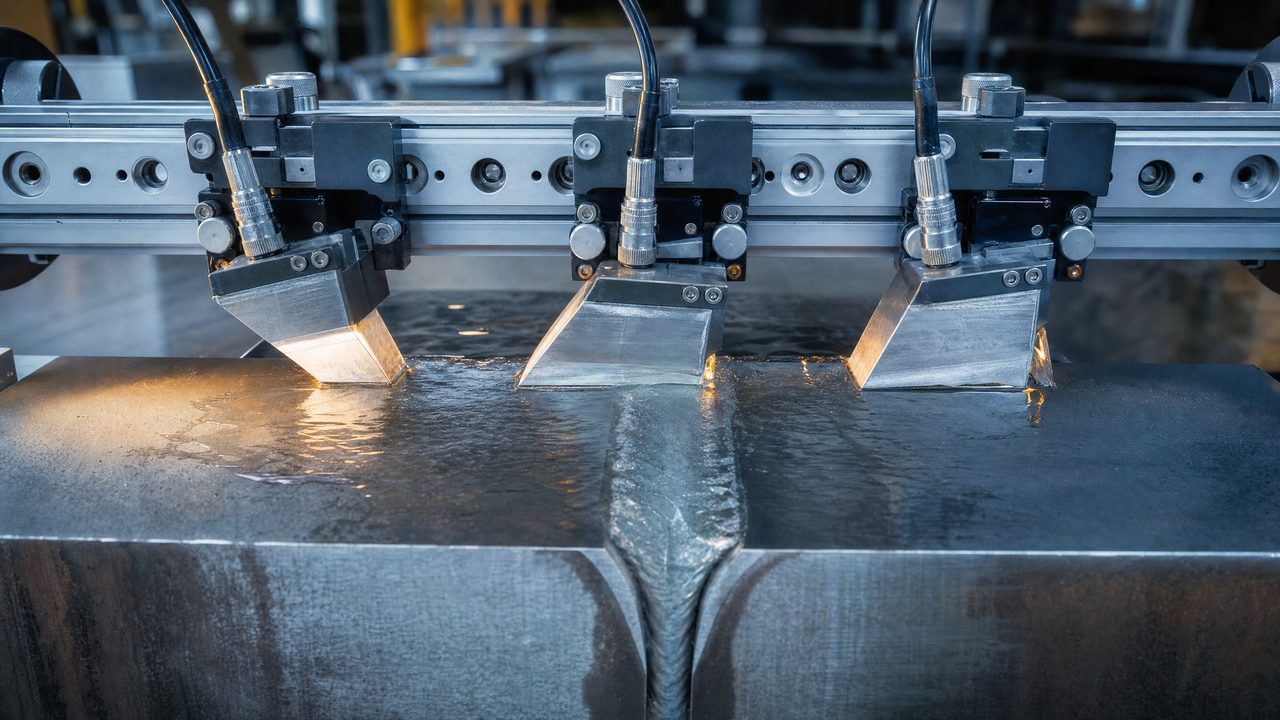
ISO 17640 explained: conventional UT for weld inspection, testing levels A/B/C/D, operator qualification (ISO 9712), and how UT differs from PAUT.

Progetto cofinanziato nell'ambito del PR Piemonte FSE+ 2021-2027,
Priorità I, Obiettivo Specifico a), Azione 4 – "Sostegno alla nascita delle start up"