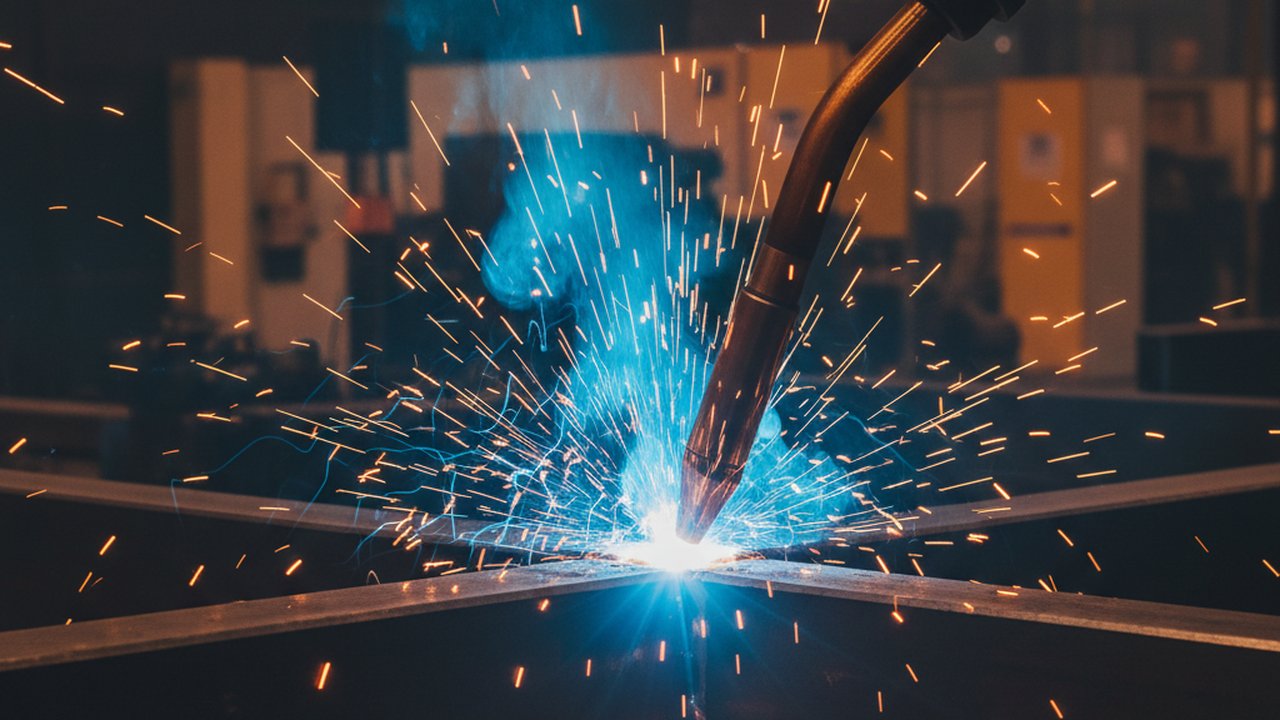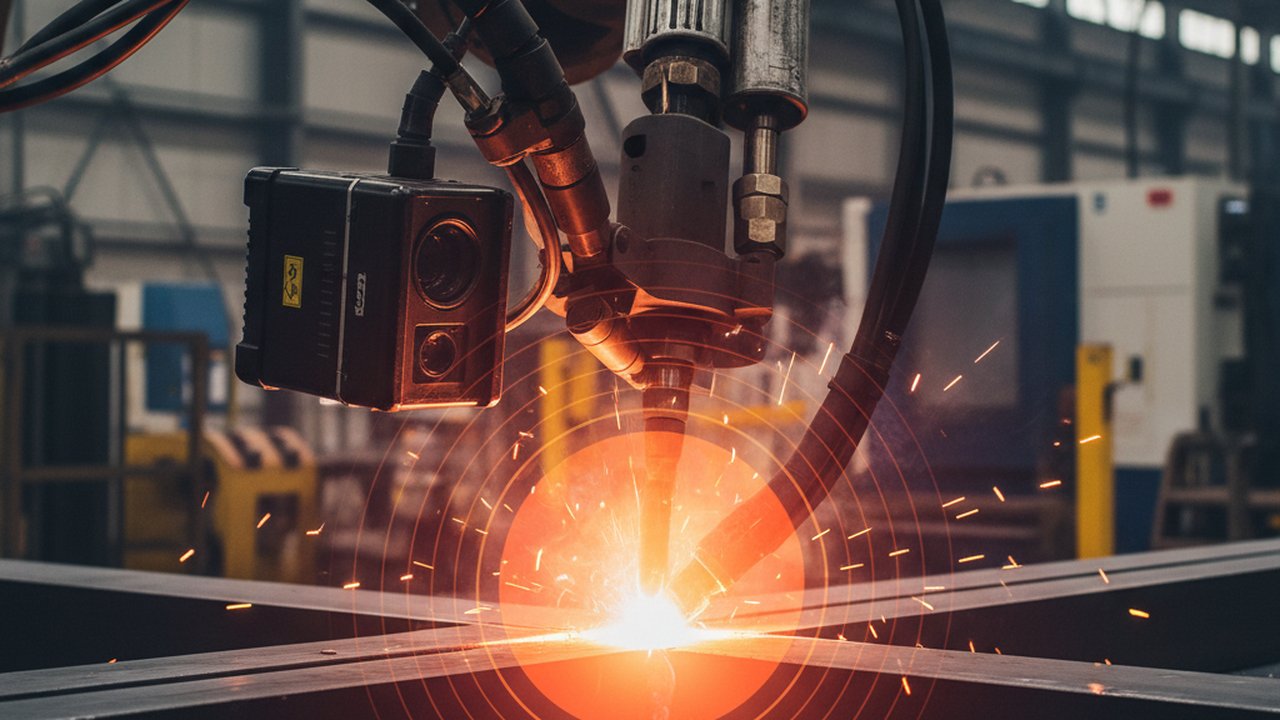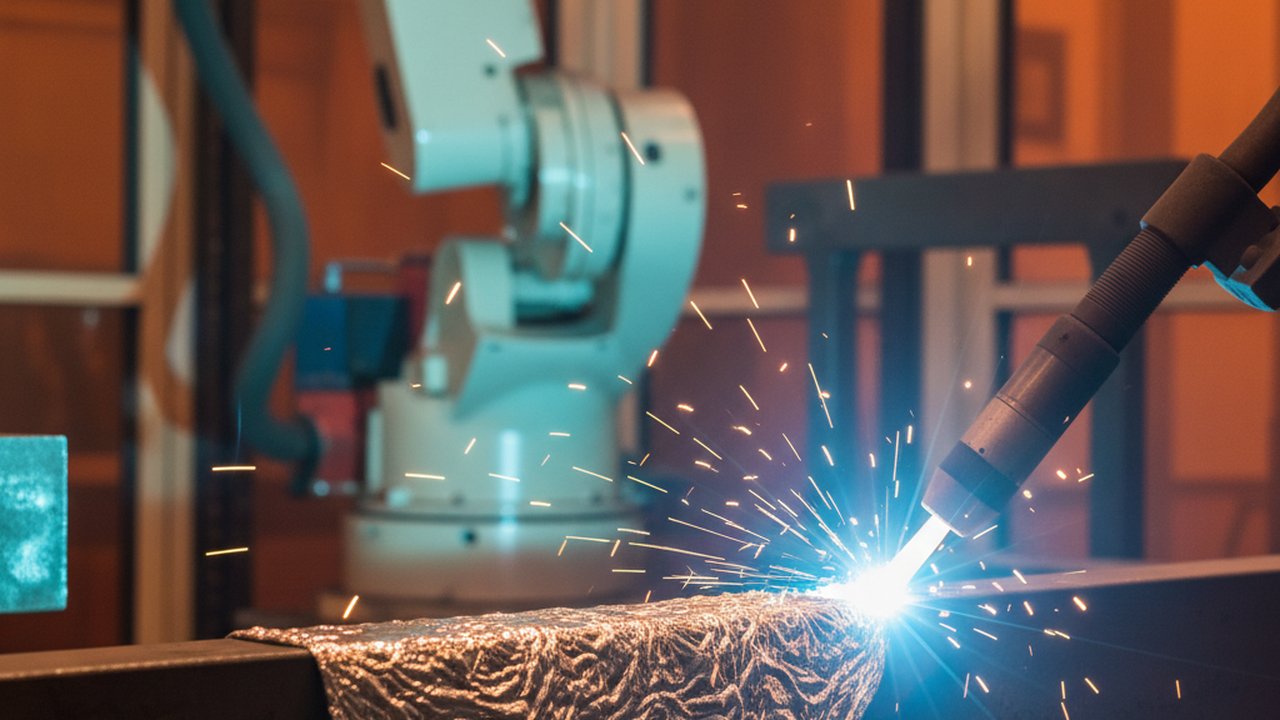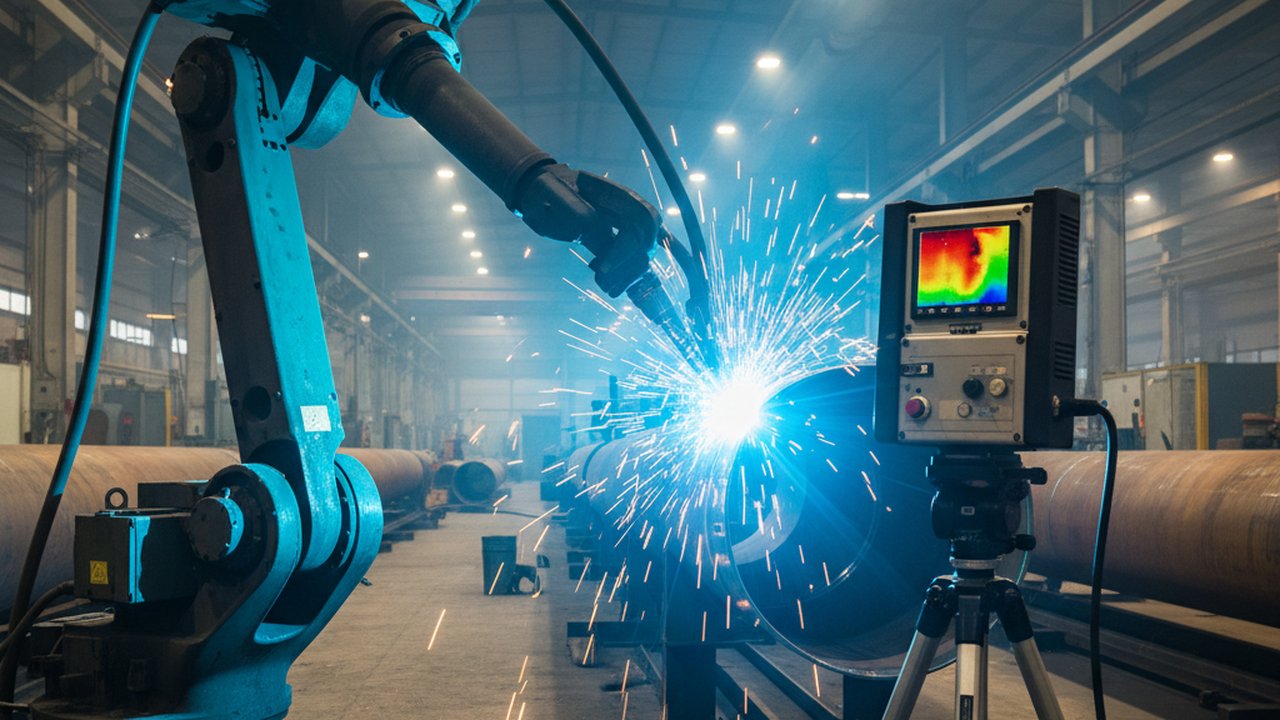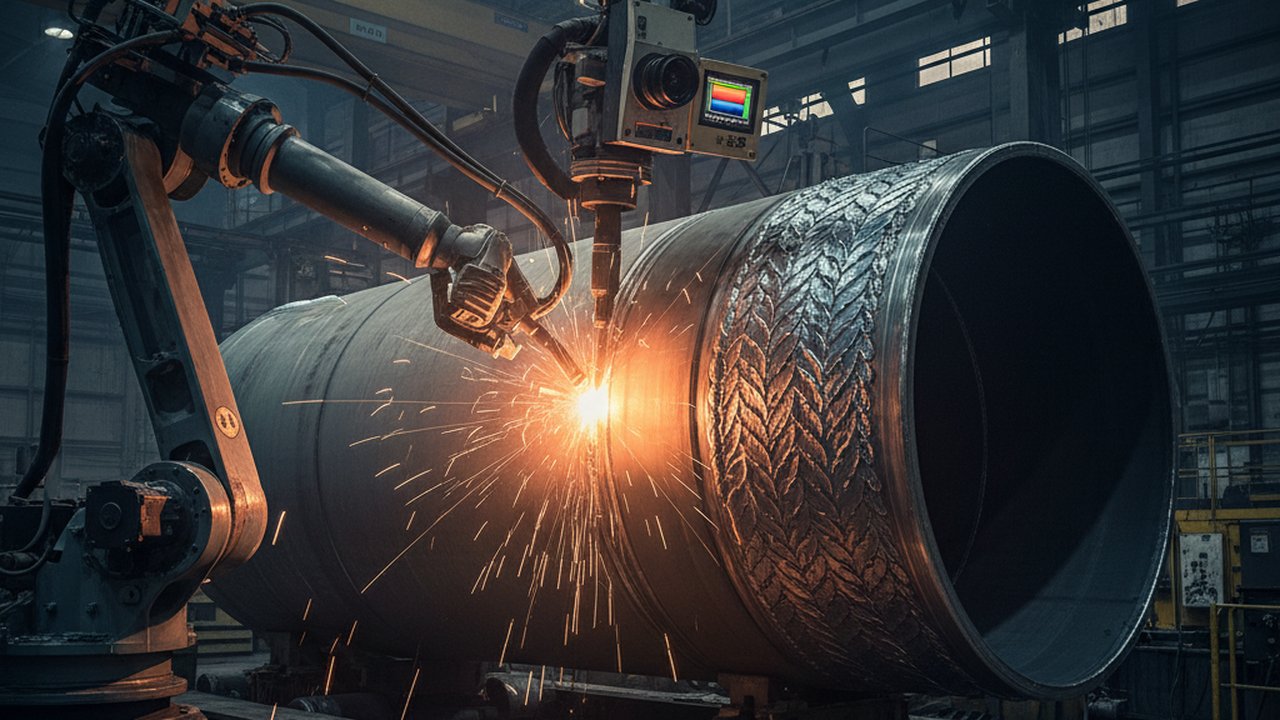
Overlay Cladding: Dilution, Bead Overlap, and Setting a Monitoring Alert Rule
Why dilution and bead overlap decide overlay corrosion performance, what thermal and visual monitoring catch during deposition, and how to set an alert rule.
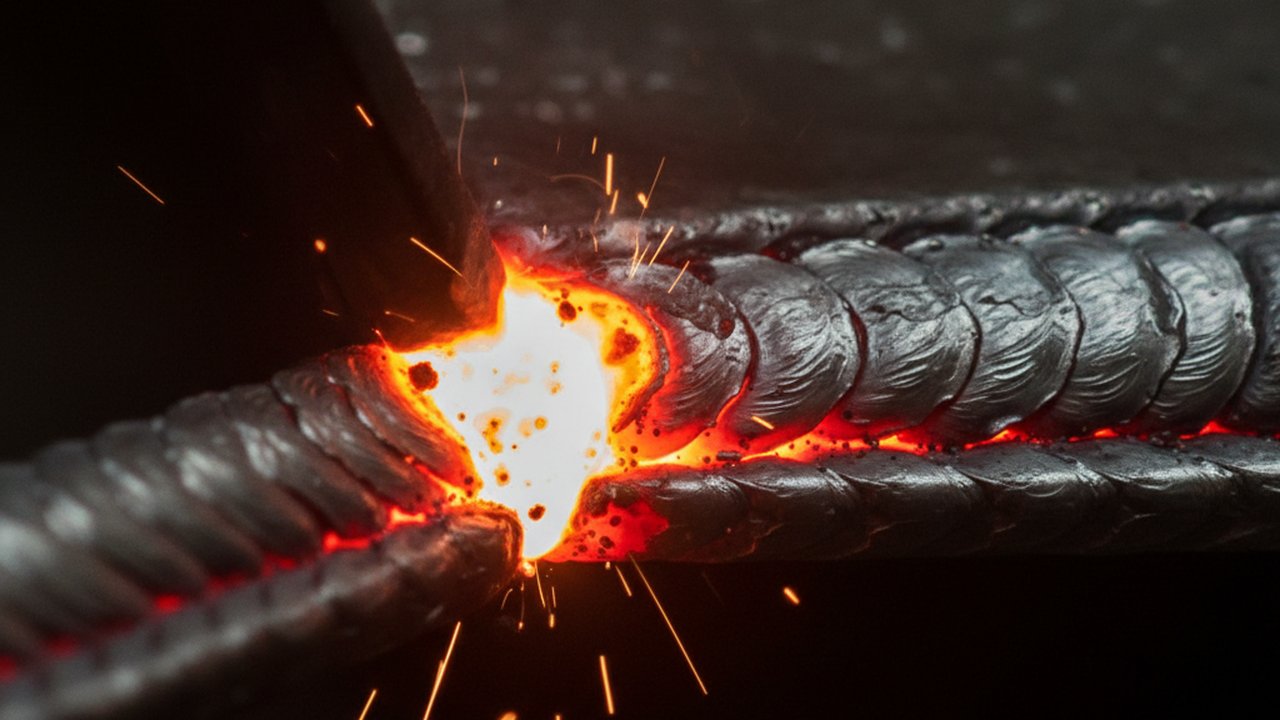
Research‑grade articles on infrared thermography in welding, AI defect detection, cooling rates (T8/5), compliance, and ROI.
Page 7 of 28
Prefer feeds? Subscribe via RSS.
Why dilution and bead overlap decide overlay corrosion performance, what thermal and visual monitoring catch during deposition, and how to set an alert rule.
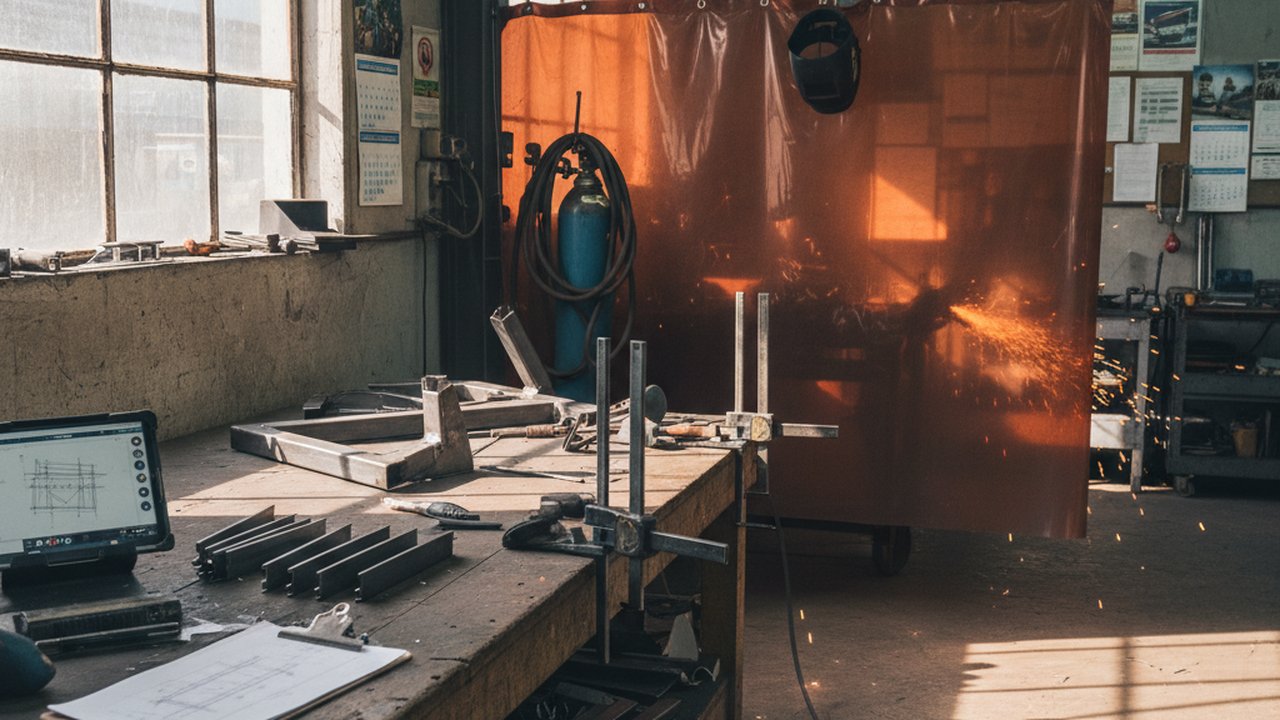
How to read weld pool solidification on high-speed video: ripple formation, trailing-edge speed, and what both indicate about cooling rate and hot-crack risk.
A right-sized welding quality system for a shop of five to thirty people: the records customers ask for, and the cheapest honest way to produce them.
Carbon steel WAAM walls slump and widen as heat builds up layer by layer — why interpass temperature creeps up and what to do to keep the wall on-spec.
Why CMT welding droplet transfer becomes unstable, what it looks like at 480 fps, the defects it seeds, and a step-by-step fix and verification workflow.
T8/5 measured once on a PQR coupon assumes every weld after it cools the same way. Why that assumption fails, and how per-weld measurement closes the gap.
Why weld bead ripples form: the freeze front, surface tension and Marangoni flow behind every ripple, resolved frame by frame in 480 fps weld pool footage.
Real-time infrared video shows lack of fusion, burn-through and cooling drift as they form. The defect physics behind the signal, and how to verify it.
A weld fume plume changes shape and brightness the instant arc stability changes — the physics, and how vision monitoring reads it as a defect precursor.