Welding Digital Twin: Real-Time Quality Monitoring for Industry 4.0 Factories
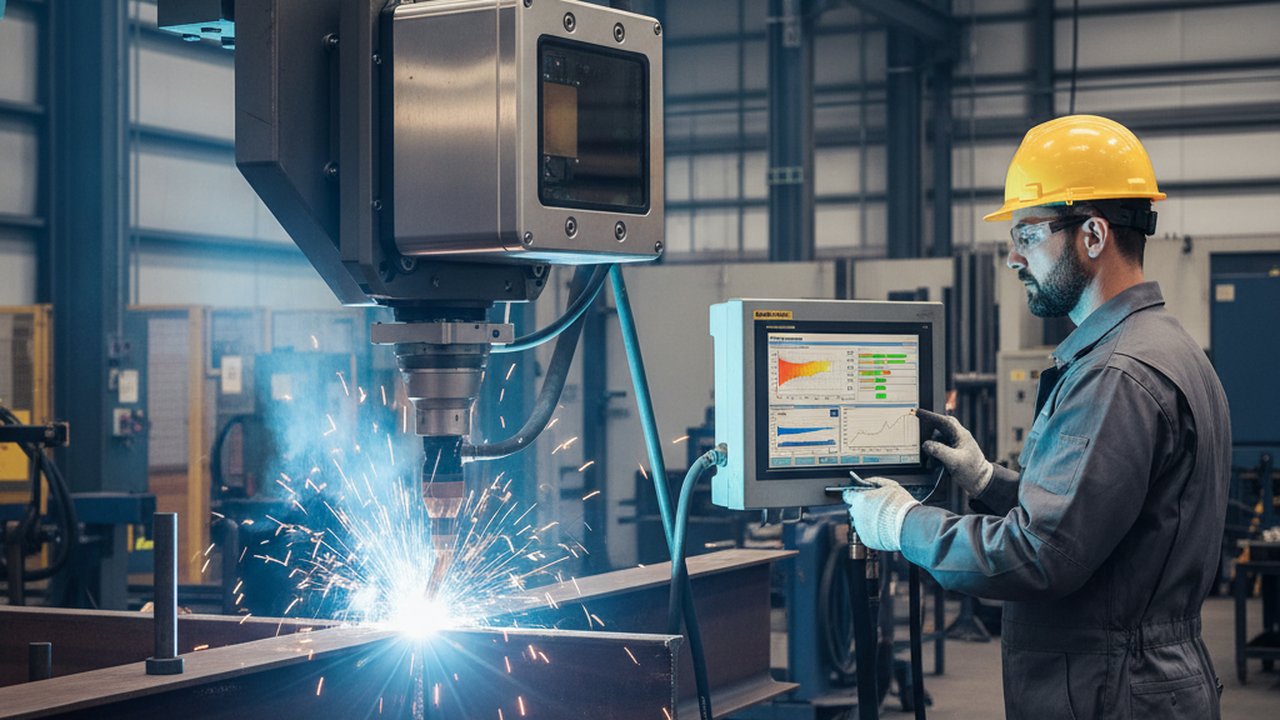
How welding digital twins use thermal cameras, AI, and sensor fusion to predict defects, enforce weld procedure compliance, and cut scrap in real time.
Research‑grade articles on infrared thermography in welding, AI defect detection, cooling rates (T8/5), compliance, and ROI.
Page 11 of 16
Prefer feeds? Subscribe via RSS.
How welding digital twins use thermal cameras, AI, and sensor fusion to predict defects, enforce weld procedure compliance, and cut scrap in real time.
Discover how HeatCore AI uses inline thermography and deep learning to detect porosity, lack of fusion, and overheating with 99.2% accuracy, enabling ISO 3834 compliance and zero-cycle-time integration.
Discover how thermal cameras detect weld splatter formation in real-time, enabling immediate corrections that cut scrap and rework costs by 30-50% while improving weld quality consistency.
How thermal camera monitoring and digital records close the compliance gap for pressure vessel welding under ISO 3834, PED, and ASME BPVC Section IX.
Quantify the true cost of weld defects—scrap, rework, warranty, and liability—and learn how real-time thermal monitoring slashes COPQ across industries.
How thermal cameras automate preheat and interpass temperature monitoring for ISO 13916 compliance, preventing HAZ hydrogen cracking and sensitization defects.
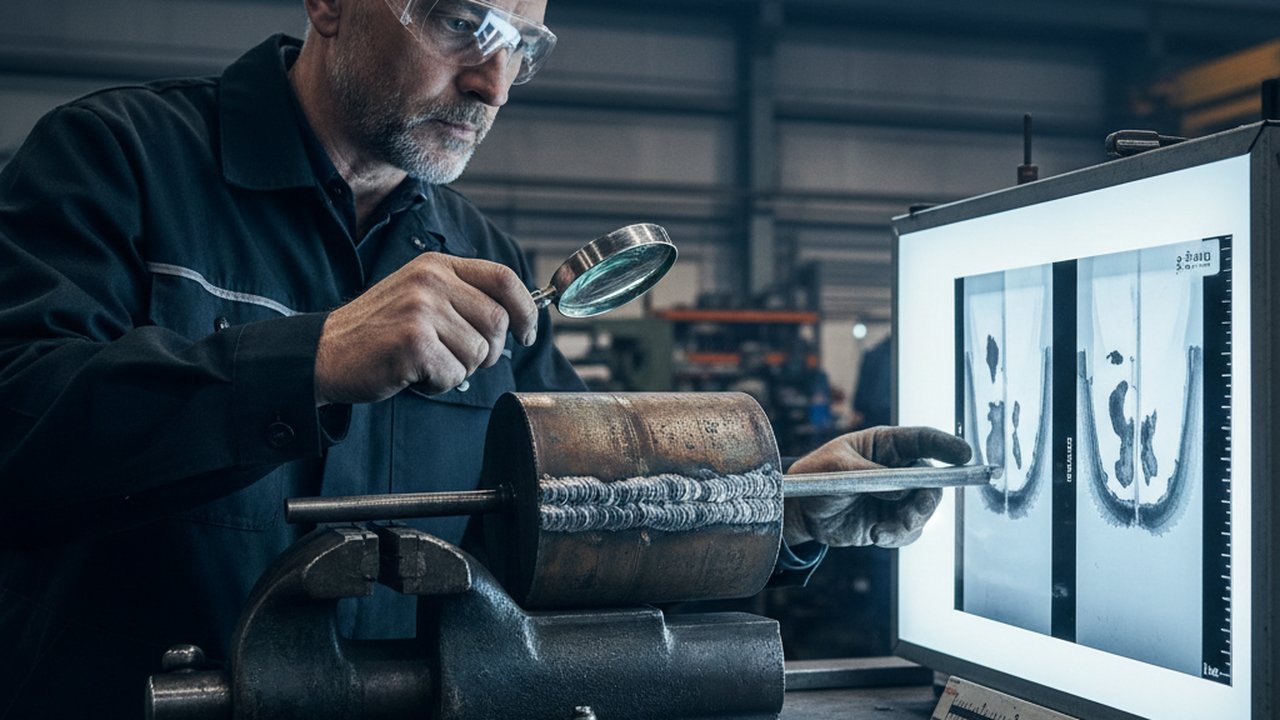
Learn how active thermography detects subsurface weld defects—porosity, lack of fusion, cracks—faster than conventional NDT. Practical guide for EN 16714 & ISO 9712 compliance.
Digital traceability for welding consumables per ISO 3834: batch tracking, certificate management, real-time alerts. See how to eliminate manual logbooks.
ISO 15614 welding procedure qualification made practical: a digital workflow to reduce WPQR delays, strengthen traceability, and improve first-pass approval rates.