

welding
Interpass Temperature in Welding: Limits by Material Group
Interpass temperature limits per material group, from C-Mn steel to duplex and nickel alloys, where to measure, and what a per-pass record must contain.
Research‑grade articles on infrared thermography in welding, AI defect detection, cooling rates (T8/5), compliance, and ROI.
Page 13 of 28
Prefer feeds? Subscribe via RSS.
Interpass temperature limits per material group, from C-Mn steel to duplex and nickel alloys, where to measure, and what a per-pass record must contain.

How to select, mount, and integrate a camera for robotic welding cells: arc sync, triggering, and ISO 3834 / EN 15085 traceability requirements.

Check whether a welder's ISO 9606-1 certificate covers the joint: thickness and diameter ranges, position coverage, material groups, and re-test triggers.
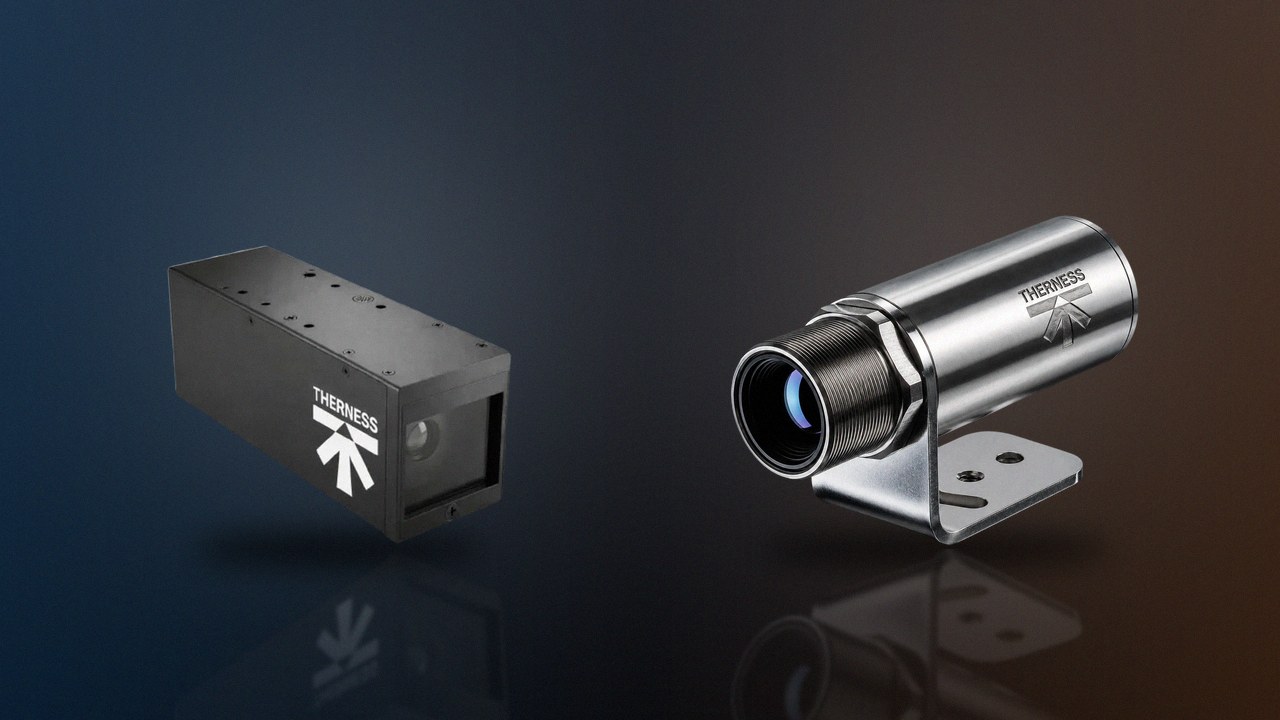
Welding camera vs thermal camera: how visible/arc-pool and LWIR thermal cameras differ, what each detects, and when you need both for weld quality.

How to specify and commission a weld monitoring camera: resolution, frame rate, arc glare rejection, IP rating, mounting geometry, air purge, and PLC/robot triggering.

High-speed 480 fps weld pool cameras reveal penetration variation, spatter origin, and solidification defects in real time.

Complete guide to EN ISO 15614-1: essential variables, required mechanical and NDT tests, WPAR documentation, range of qualification, and key differences vs.

Choose the best welding camera for your process: compare thermal and visual imaging, frame rate, arc visibility and integration before you buy.
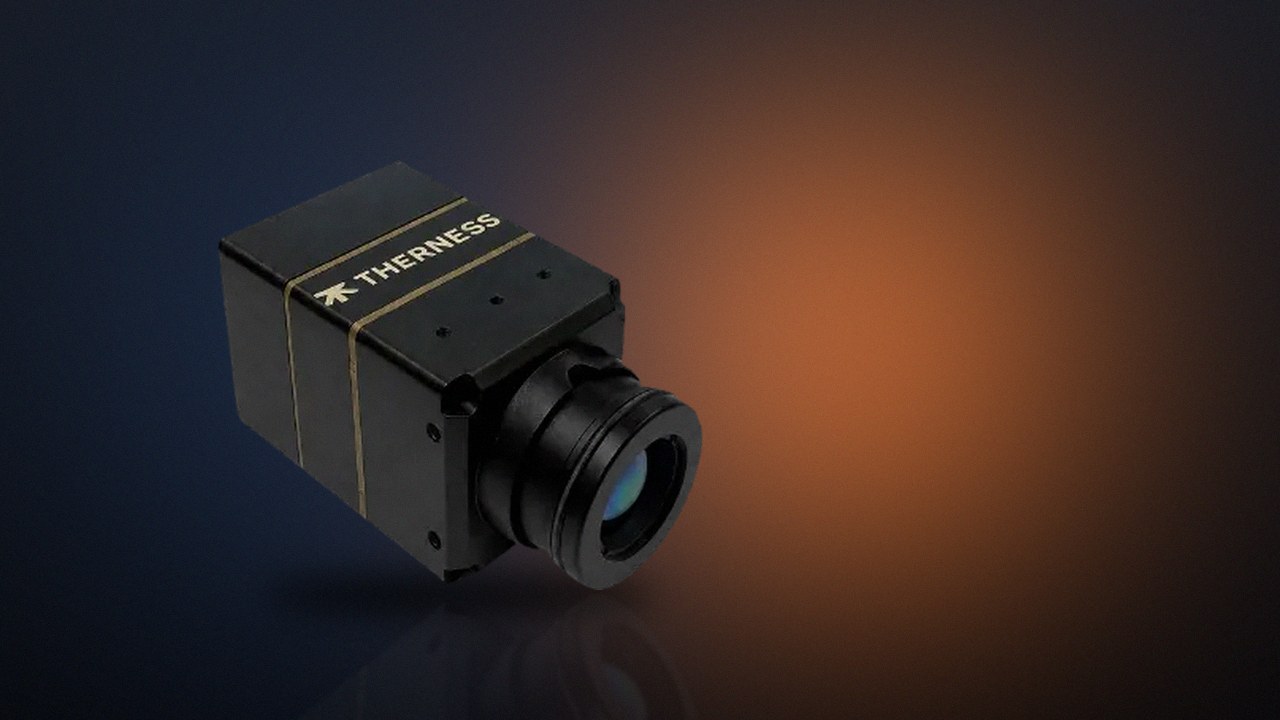
Compare active thermography and radiography for weld inspection: defect detection, EN 16714 vs EN ISO 17636, radiation safety, scan speed, and a decision.

Progetto cofinanziato nell'ambito del PR Piemonte FSE+ 2021-2027,
Priorità I, Obiettivo Specifico a), Azione 4 – "Sostegno alla nascita delle start up"