
welding-defects
Delayed Hydrogen Cracking: Inspection Hold Time After Welding
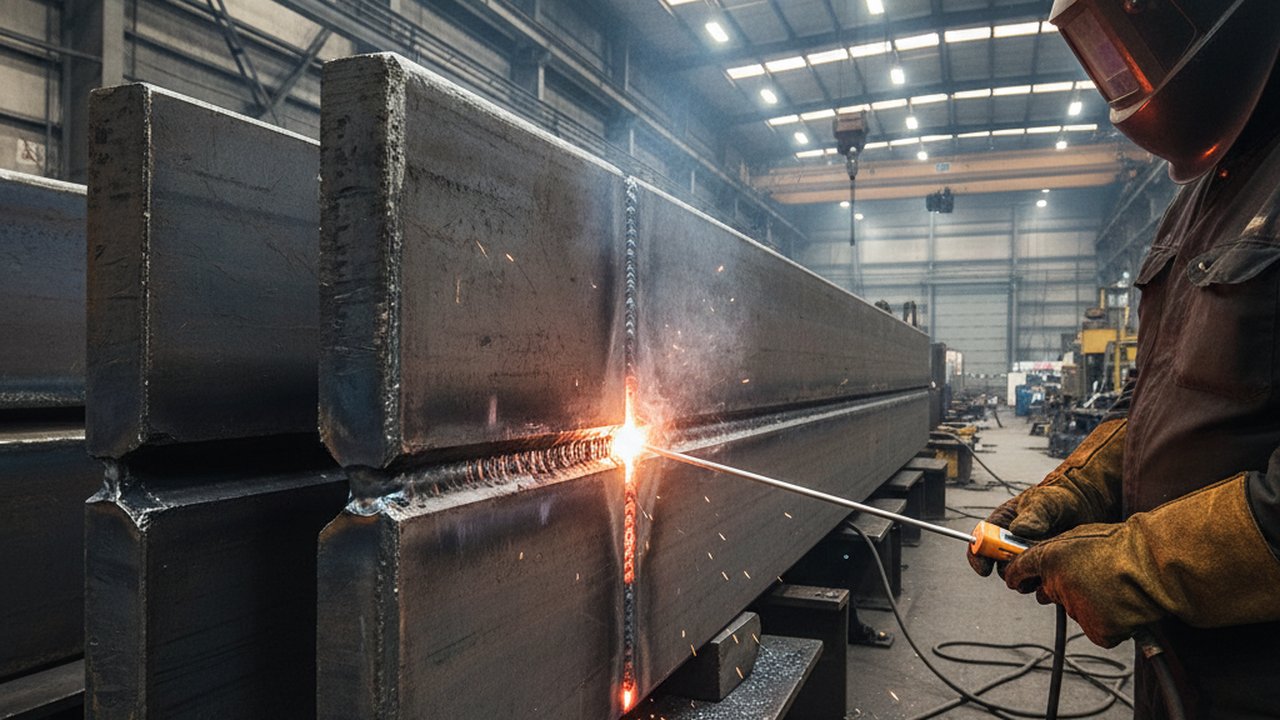
Delayed hydrogen cracking appears hours after the arc stops. How to set a defensible inspection hold time and prove the joint cooled the way you planned.
Research‑grade articles on infrared thermography in welding, AI defect detection, cooling rates (T8/5), compliance, and ROI.
Page 5 of 28
Prefer feeds? Subscribe via RSS.
Delayed hydrogen cracking appears hours after the arc stops. How to set a defensible inspection hold time and prove the joint cooled the way you planned.
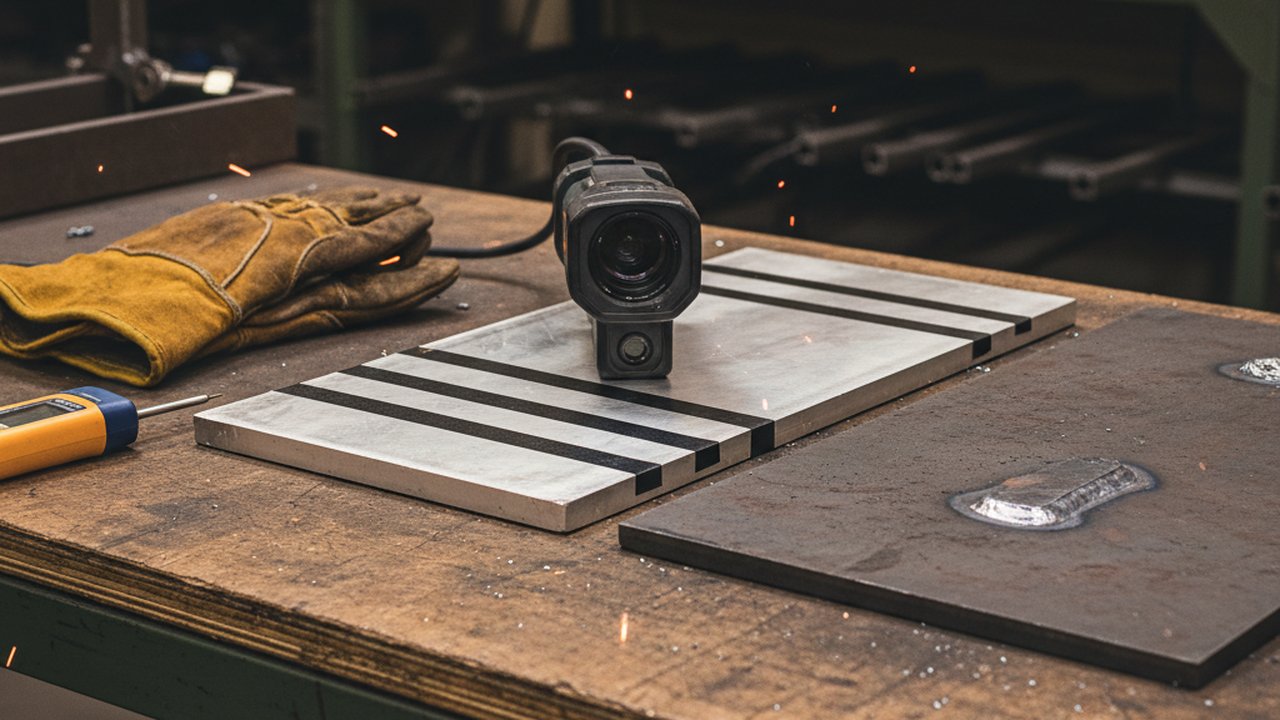
Emissivity is the biggest error source when a thermal camera measures a steel or aluminium weld. How to set it, reference it and prove it on real parts.
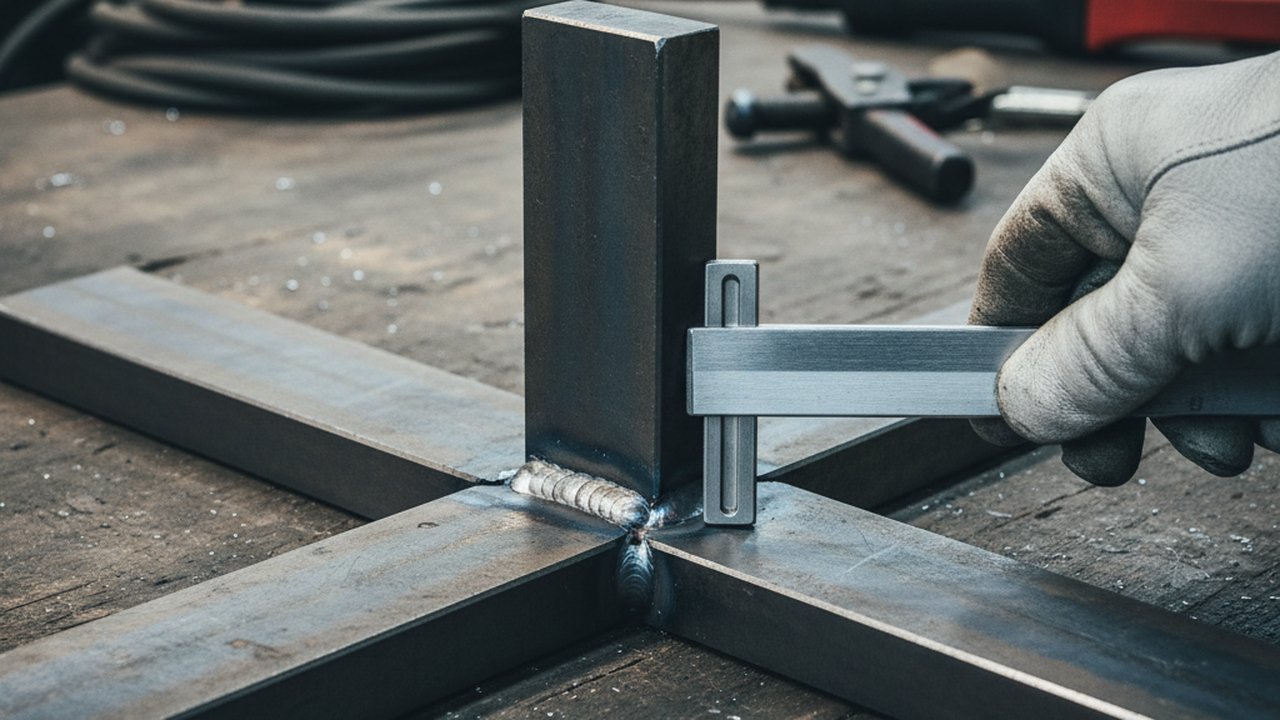
Fillet weld size chart in mm explained: leg versus throat, where 0.707 comes from, how American codes set a minimum from the thicker part, and a worked method.

How infrared thermography measures forging die temperature in production: emissivity, camera siting, verification and the failure modes that fool the data.
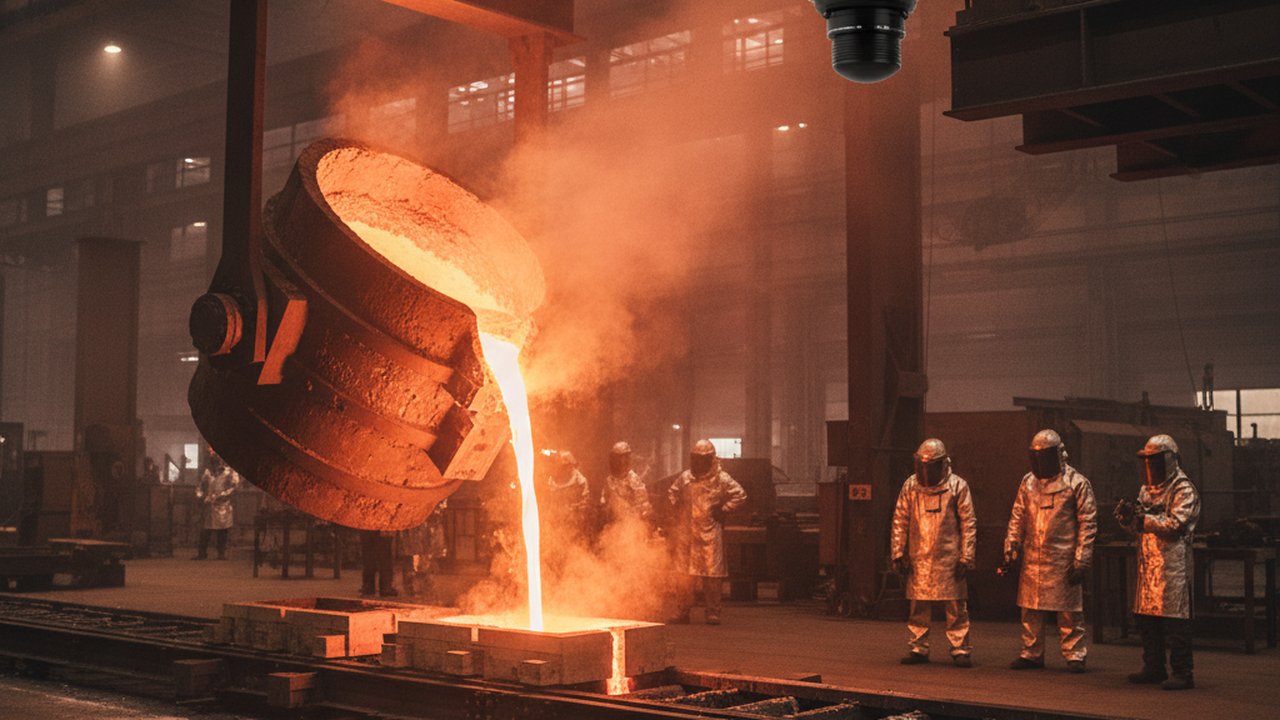
Where thermography earns its place in a foundry: ladle shells, pouring streams, mould faces and knockout, plus the emissivity traps that fool the readings.
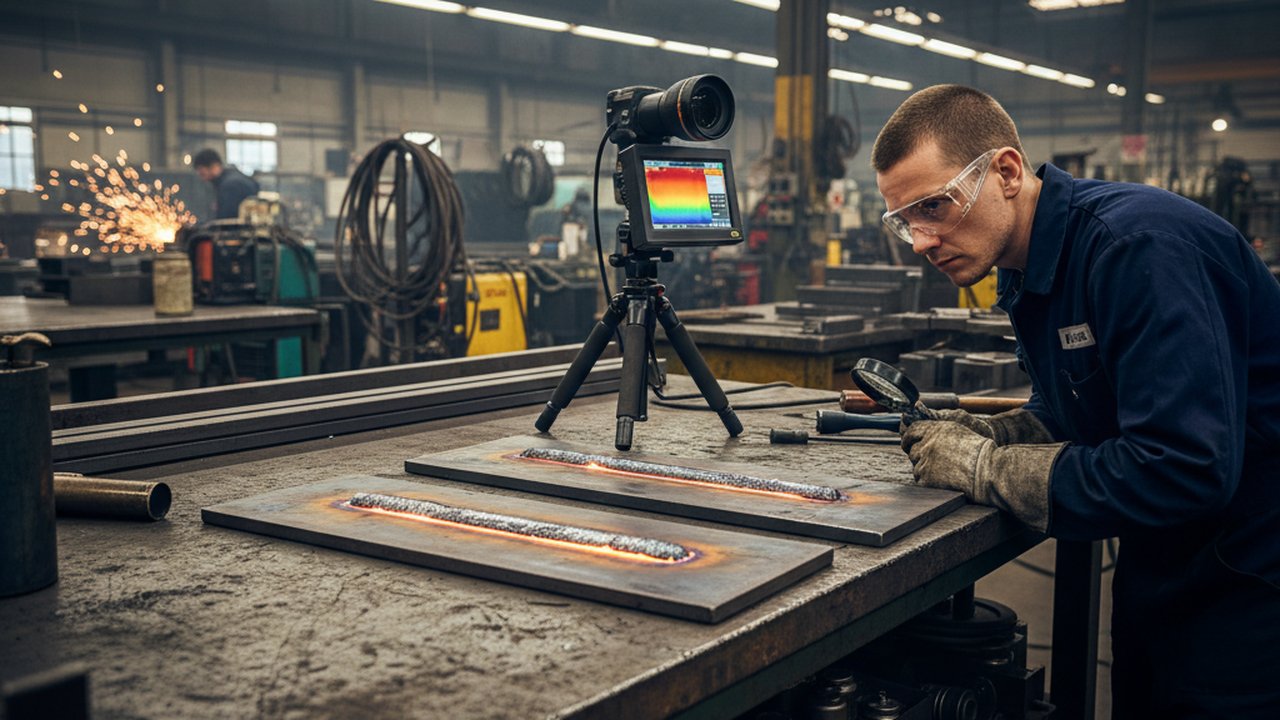
How to compare weld thermal signatures side by side: an even trailing plume, a hot spot, or an asymmetric pattern, and how to verify what you see.
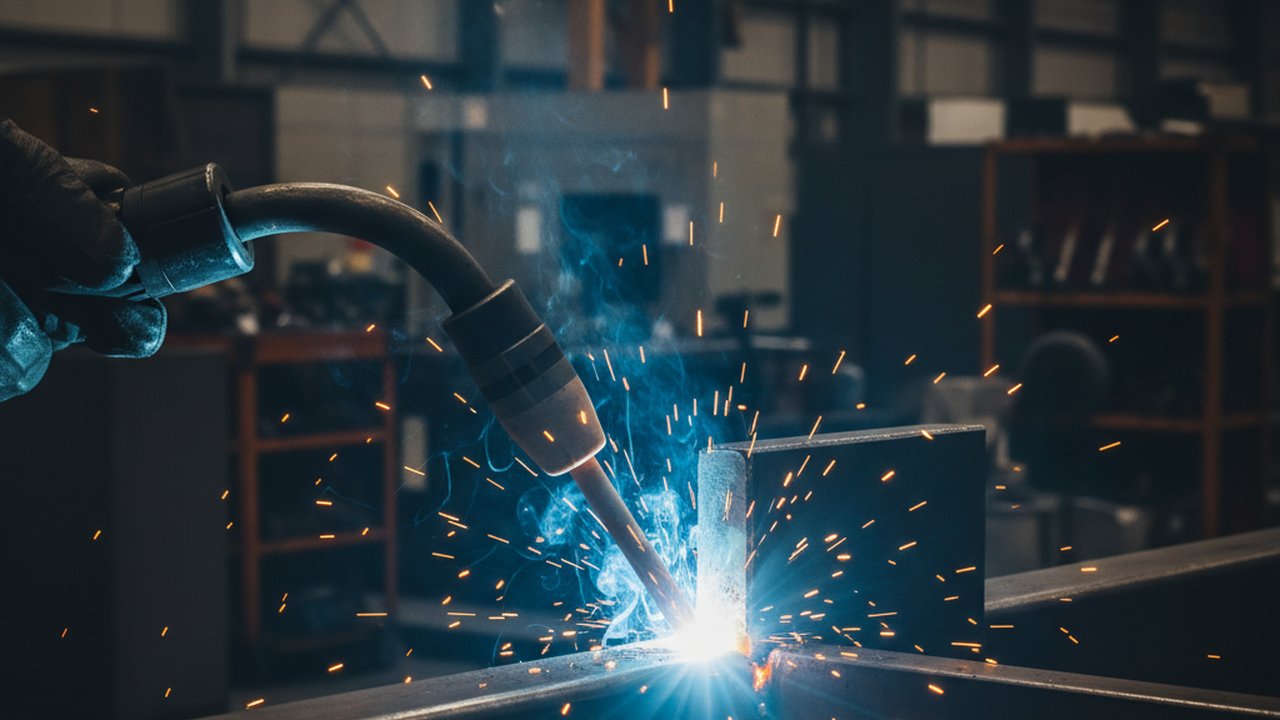
How to identify GMAW transfer mode — globular, spray, short-circuit — from high-speed footage, the parameters behind it, and how to verify the call.
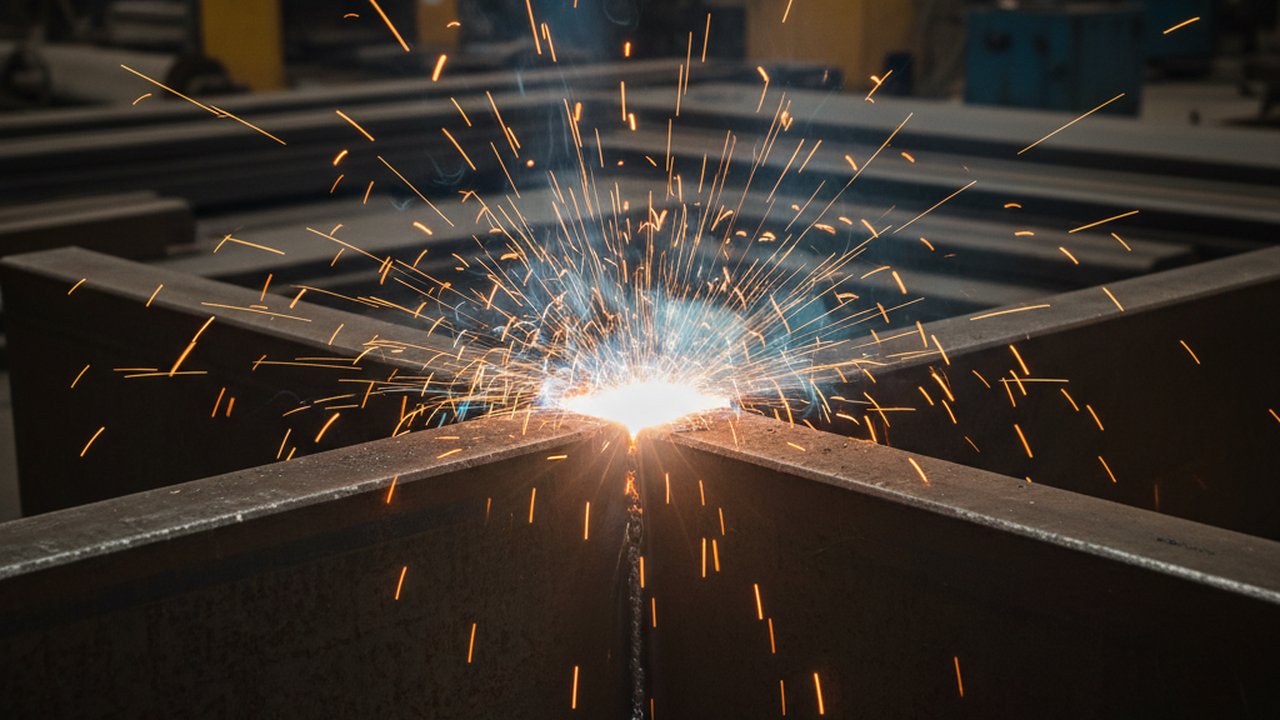
How to read a burn-through sequence frame by frame: the four visible stages, what drives each one, and which signal a monitor catches first.
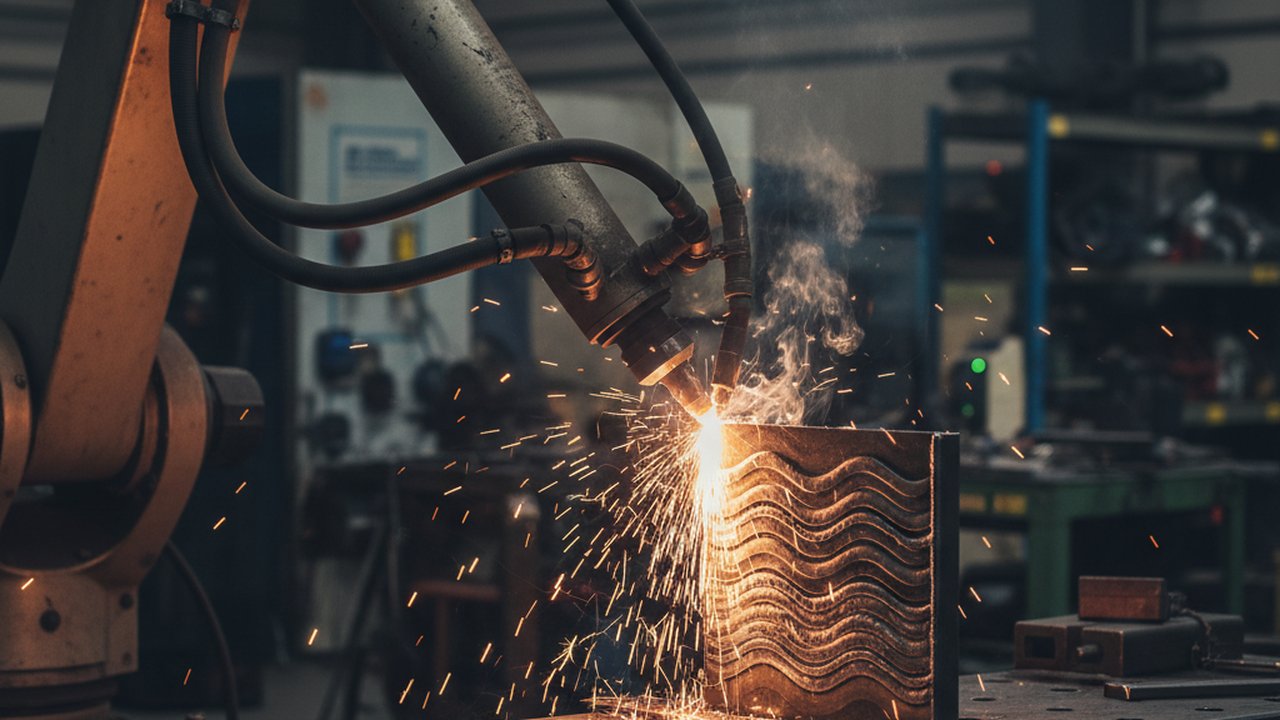
Wire feed speed and travel speed set WAAM bead width, height, and fusion — see how that ratio drives layer geometry, common defects, and practical fixes.

Progetto cofinanziato nell'ambito del PR Piemonte FSE+ 2021-2027,
Priorità I, Obiettivo Specifico a), Azione 4 – "Sostegno alla nascita delle start up"