

welding
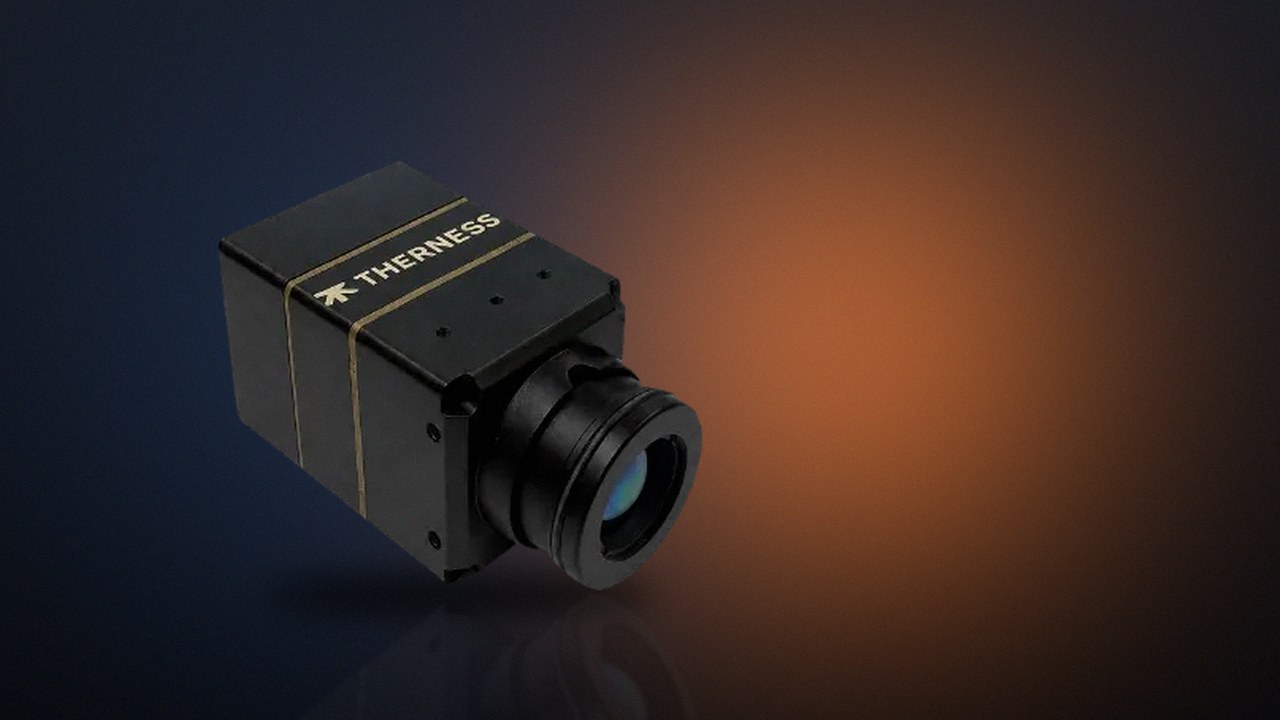
Best Welding Camera for Your Process: 2026 Buyer's Guide
Choose the best welding camera for your process: compare thermal and visual imaging, frame rate, arc visibility and integration before you buy.
Research‑grade articles on infrared thermography in welding, AI defect detection, cooling rates (T8/5), compliance, and ROI.
Page 16 of 30
Prefer feeds? Subscribe via RSS.
Choose the best welding camera for your process: compare thermal and visual imaging, frame rate, arc visibility and integration before you buy.
Compare active thermography and radiography for weld inspection: defect detection, EN 16714 vs EN ISO 17636, radiation safety, scan speed, and a decision.
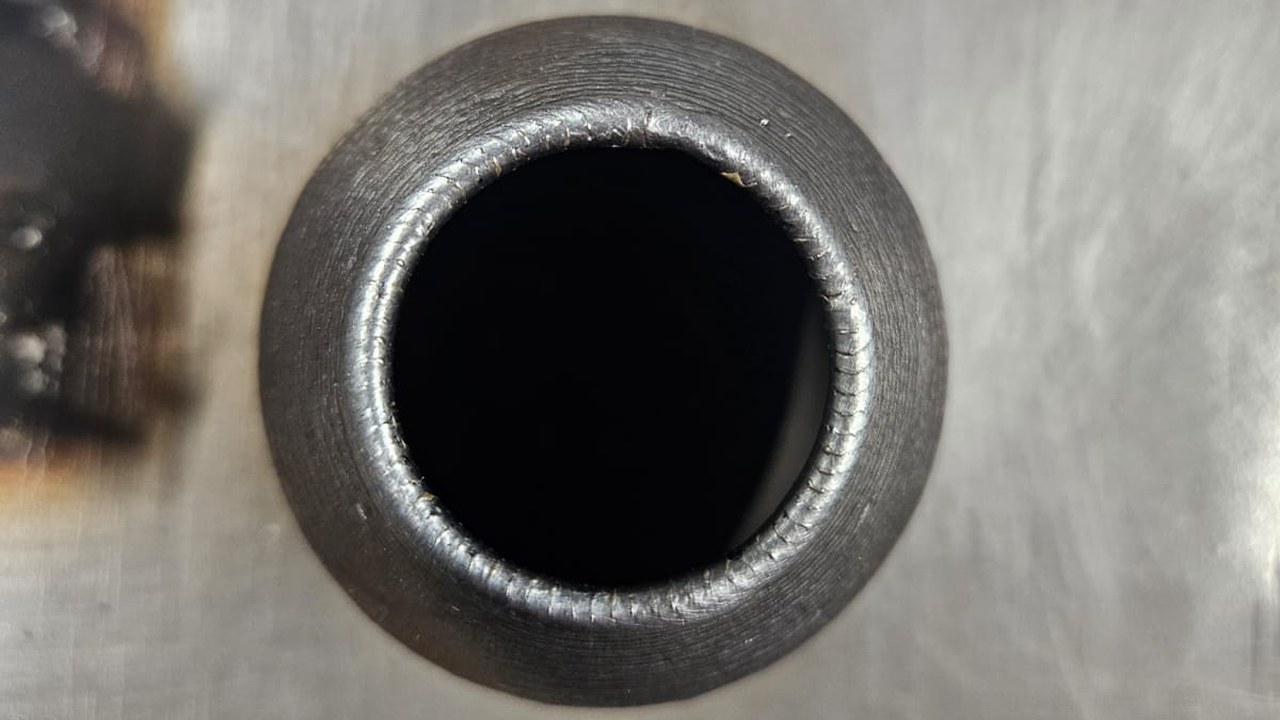
API 650 welding requirements for oil storage tanks: NDE matrix, welder qualification, weld acceptance criteria, and quality control best practices.

An arc strike (arc mark) outside the joint leaves a hard, crack-prone spot. Level D tolerates it only conditionally: causes, detection and prevention.

Never acceptable under ISO 5817. Why the weld pool collapses on thin sheet and root passes, the fit-up and parameter fixes that stop it, and the thermal precursor to watch.

Incomplete penetration vs lack of fusion, which ISO 5817 levels reject an unfused root, the causes to check first, and the NDT that finds it.

How EN ISO 5817 quality levels differ from ASME code acceptance criteria and AWS D1.1: philosophy, structure, inspection extent, and how dual-compliance.

Lack of fusion (ISO 6520-1 401) is a repair at every ISO 5817 level. The causes, why radiography can miss it, and why UT or PAUT is the preferred method.

Porosity types per ISO 6520-1, what causes gas pores, and the ISO 5817 acceptance limits for pore size and area at levels B, C and D, plus prevention.

Progetto cofinanziato nell'ambito del PR Piemonte FSE+ 2021-2027,
Priorità I, Obiettivo Specifico a), Azione 4 – "Sostegno alla nascita delle start up"