
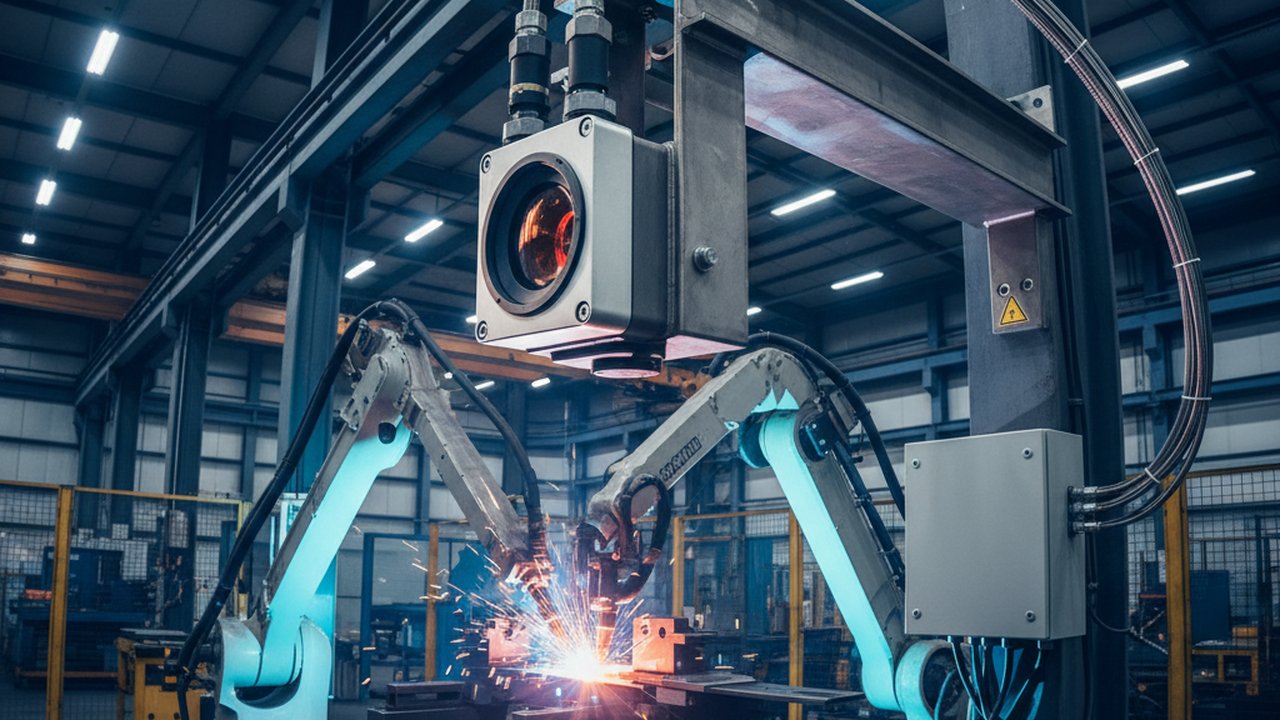
thermography
Industrial Thermography Specification: What to Write Before You Buy
An industrial thermography specification decides whether quotes compare and whether the delivered system can be tested against what you asked for.
Research‑grade articles on infrared thermography in welding, AI defect detection, cooling rates (T8/5), compliance, and ROI.
Page 6 of 28
Prefer feeds? Subscribe via RSS.
An industrial thermography specification decides whether quotes compare and whether the delivered system can be tested against what you asked for.
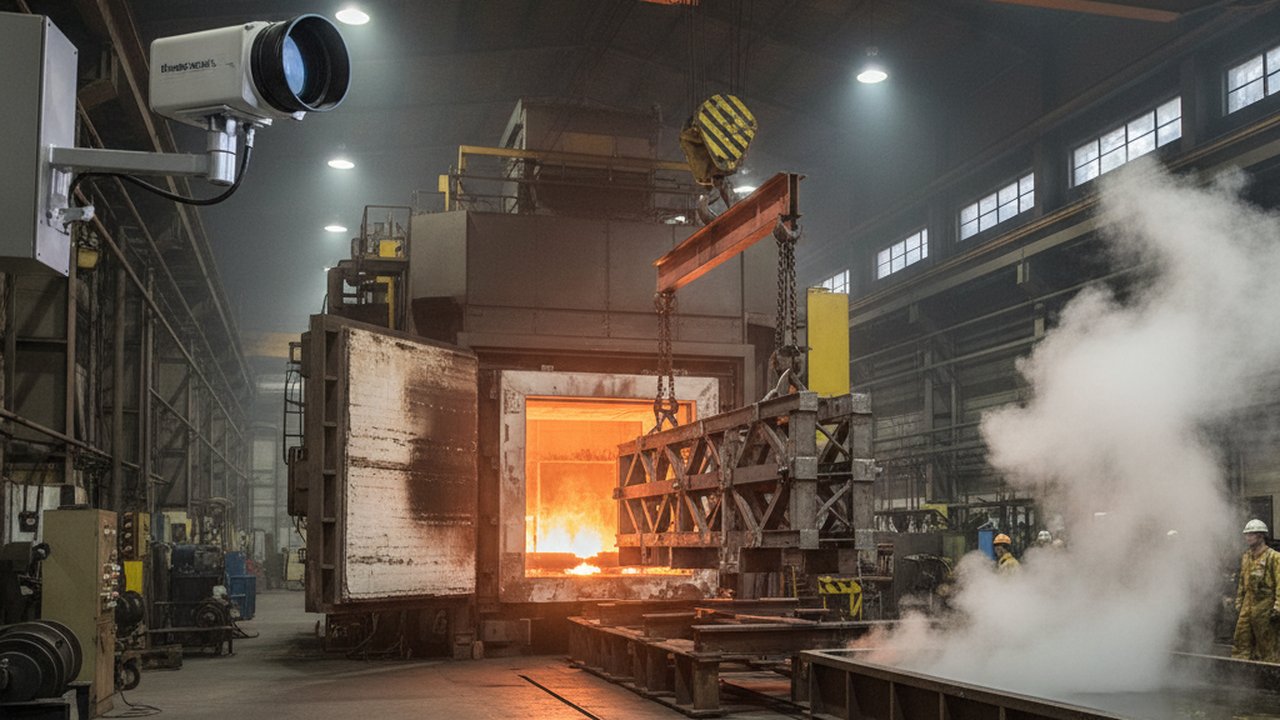
Infrared monitoring of heat treatment and quenching: camera stations, the emissivity and steam errors that corrupt readings, and how to prove the record.
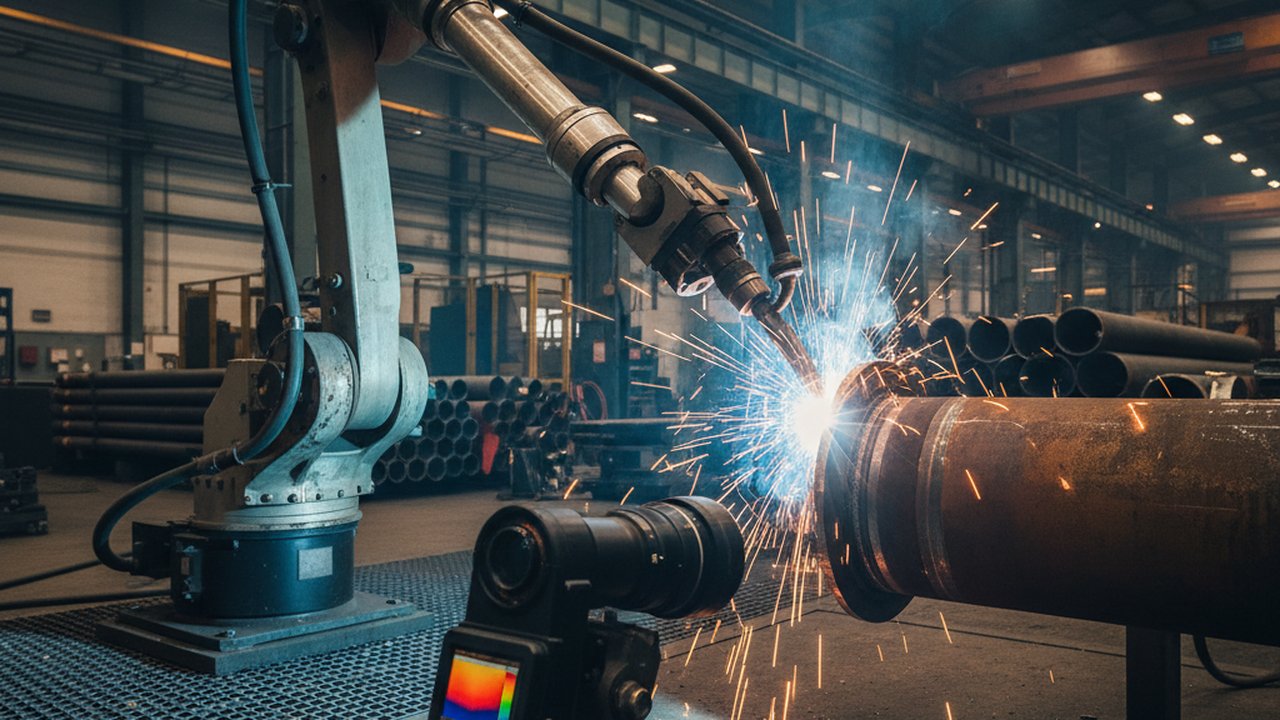
Infrared wavelength bands decide what a welding thermal camera can measure: how short, mid and long wave differ on arc light, emissivity and hot metal.
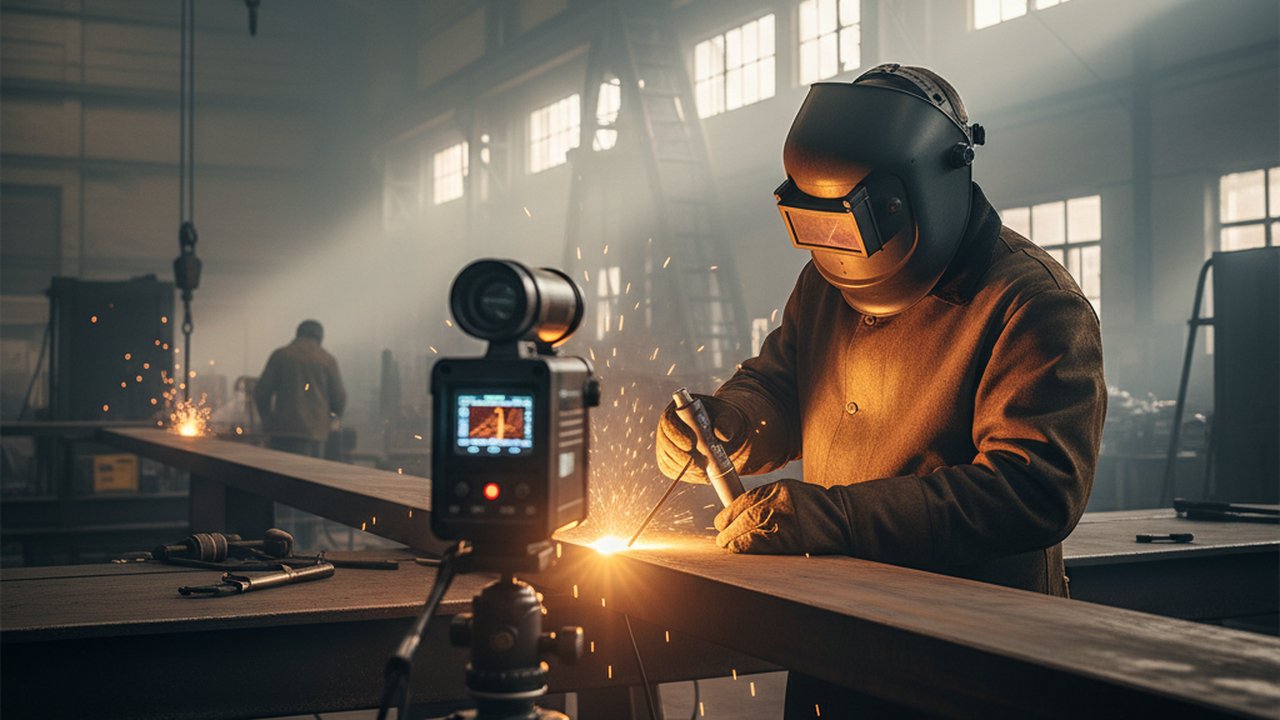
Interpass temperature measurement methods compared: crayons, contact probes, pyrometers and thermal cameras, with a decision table and uncertainty budget.
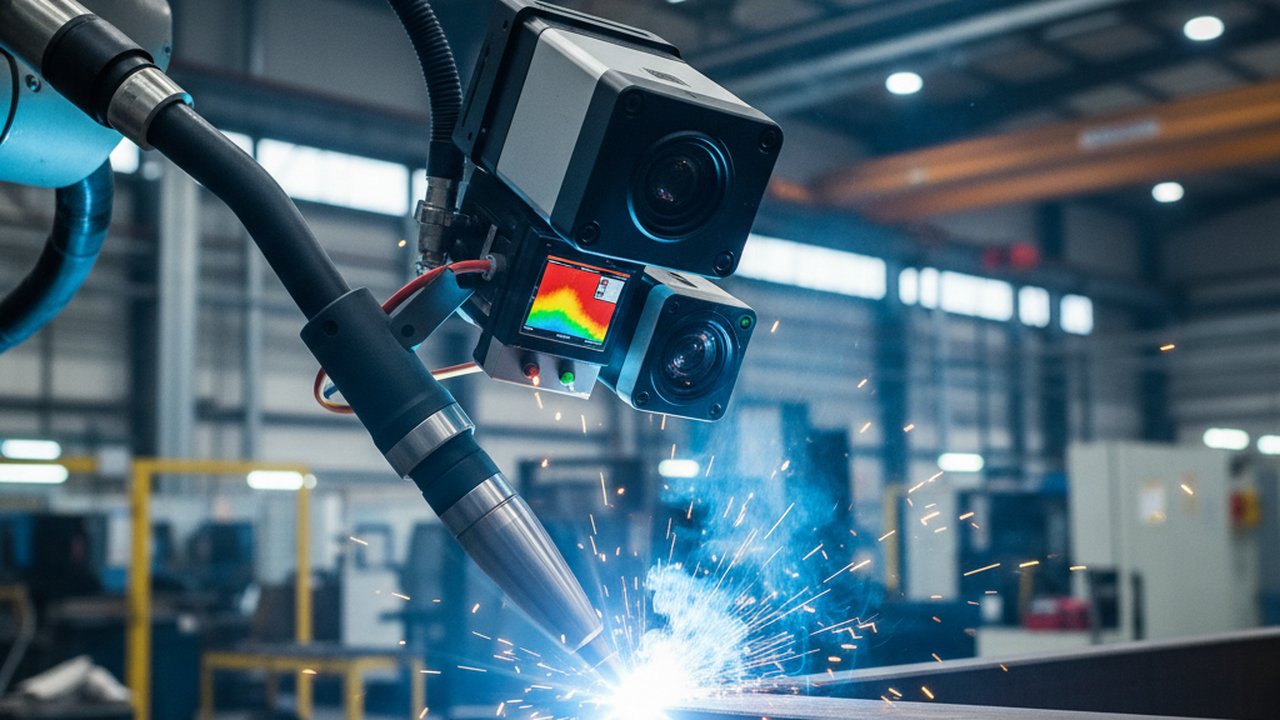
MAG welding monitored by camera and by arc parameters alone: pool shape, transfer regularity, spatter, and which defects each channel catches first.
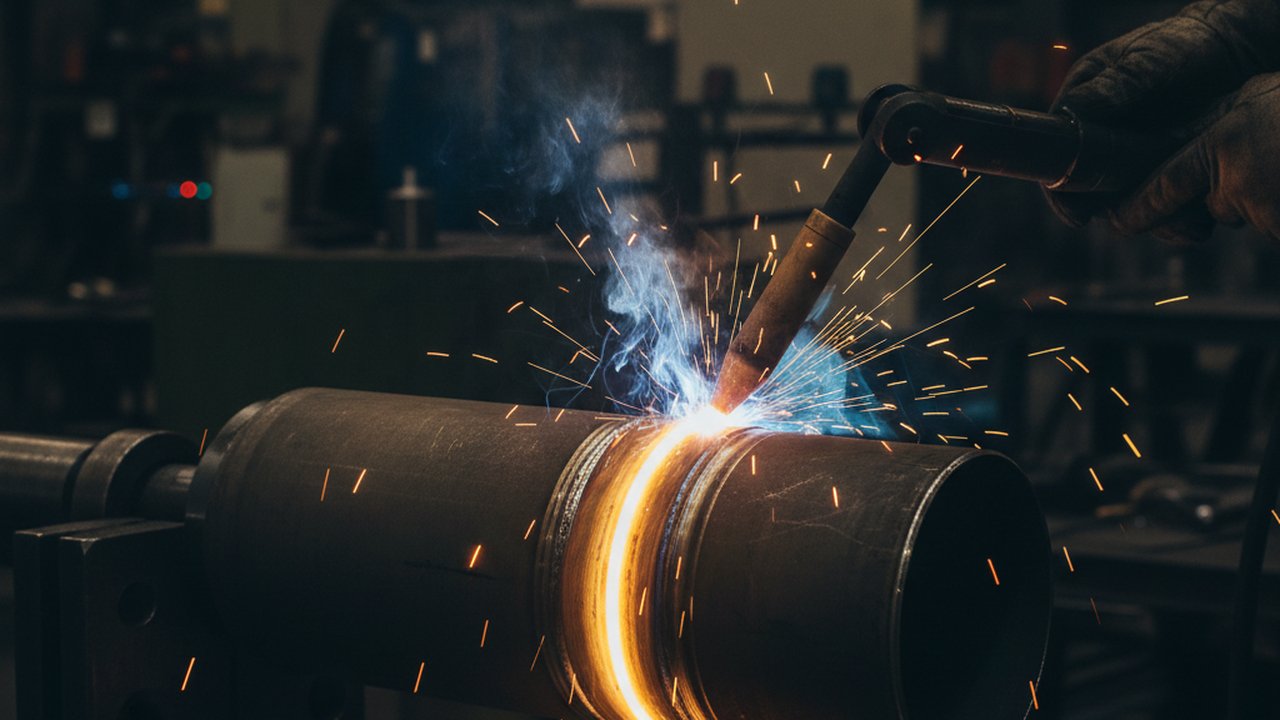
Circumferential welds heat unevenly around the circumference. How thermal tracking around the joint catches the uneven cooling that fails at the tie-in.
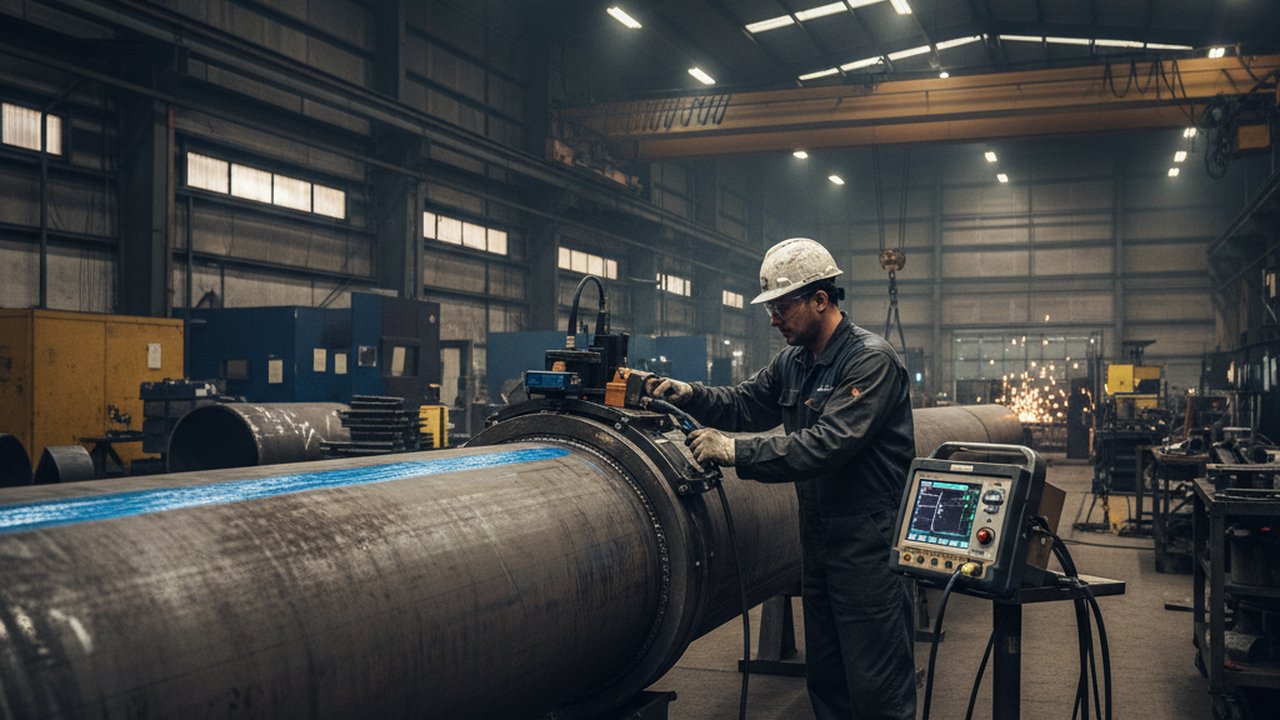
PAUT weld inspection acceptance criteria explained: who sets them, amplitude versus sizing routes, what the scan file proves, and how to cut rejects.
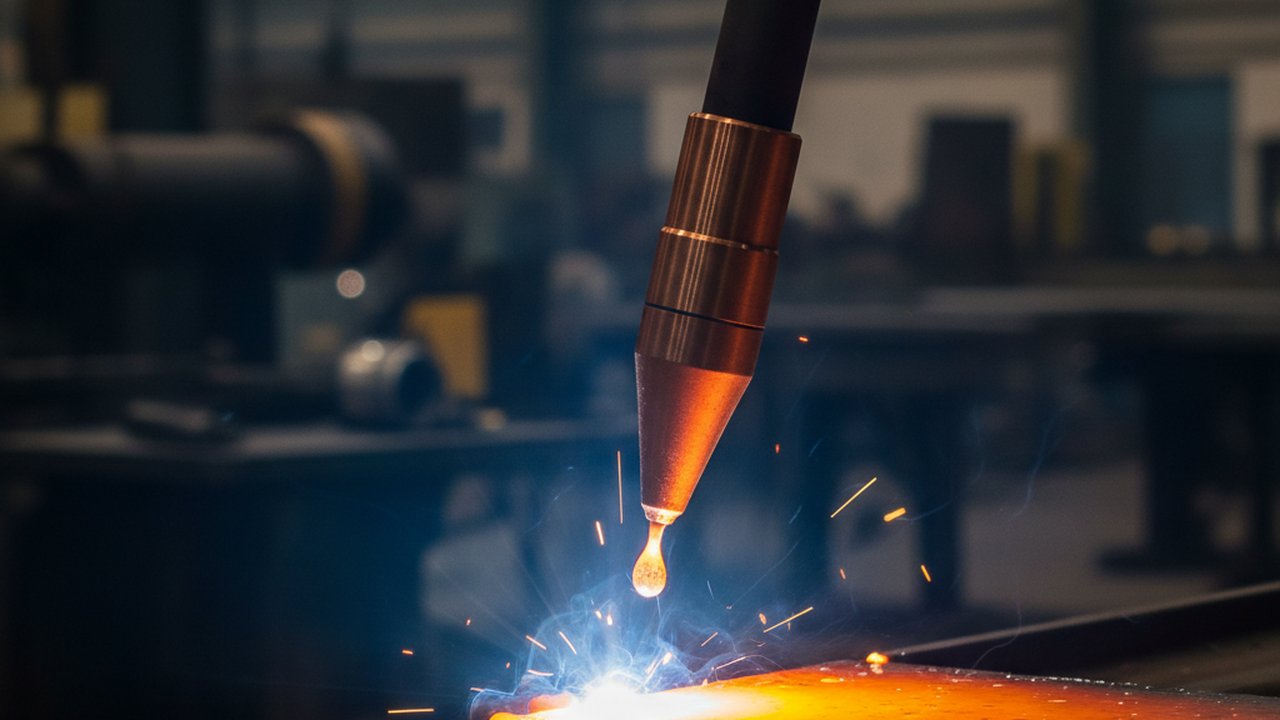
How pulse peak, background current, and pulse frequency in pulsed GMAW set one droplet per pulse, and how a mistuned pulse shows up on high-speed video.
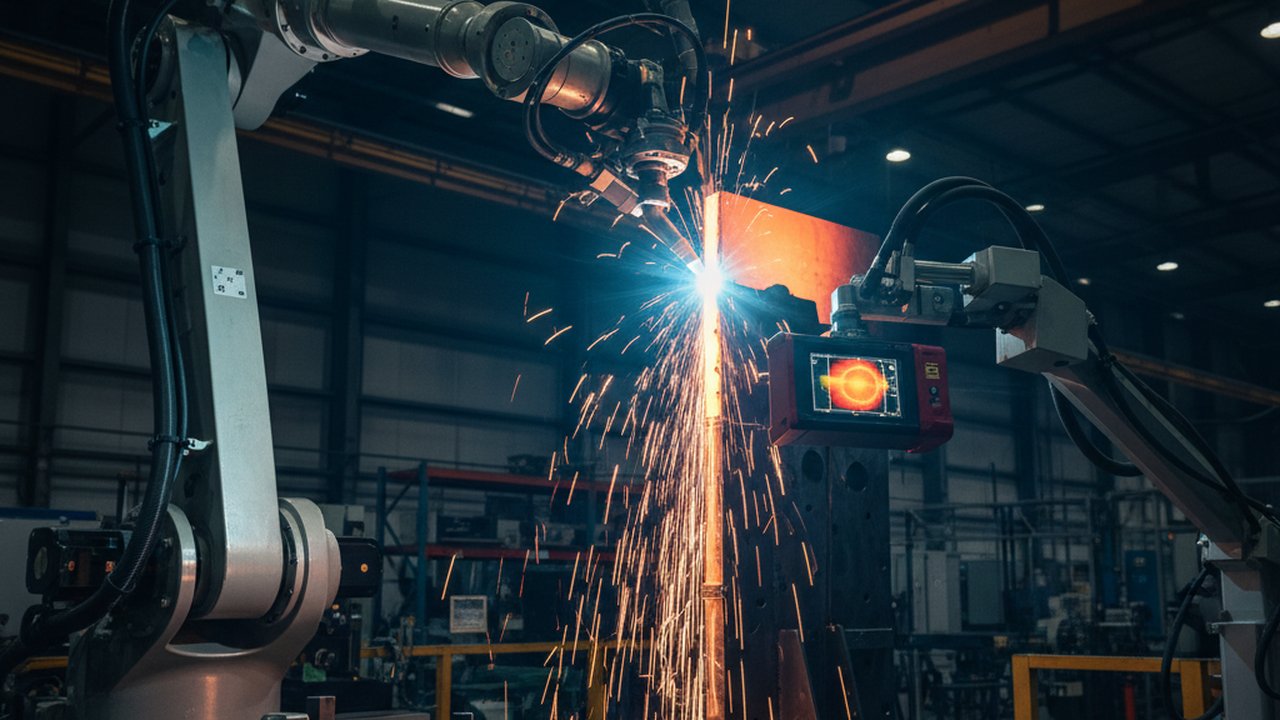
Which thermal, geometry, and arc signals to log per layer in WAAM, how to set a layer acceptance rule, and how that record supports part qualification.

Progetto cofinanziato nell'ambito del PR Piemonte FSE+ 2021-2027,
Priorità I, Obiettivo Specifico a), Azione 4 – "Sostegno alla nascita delle start up"